
By Roselyn Fauth
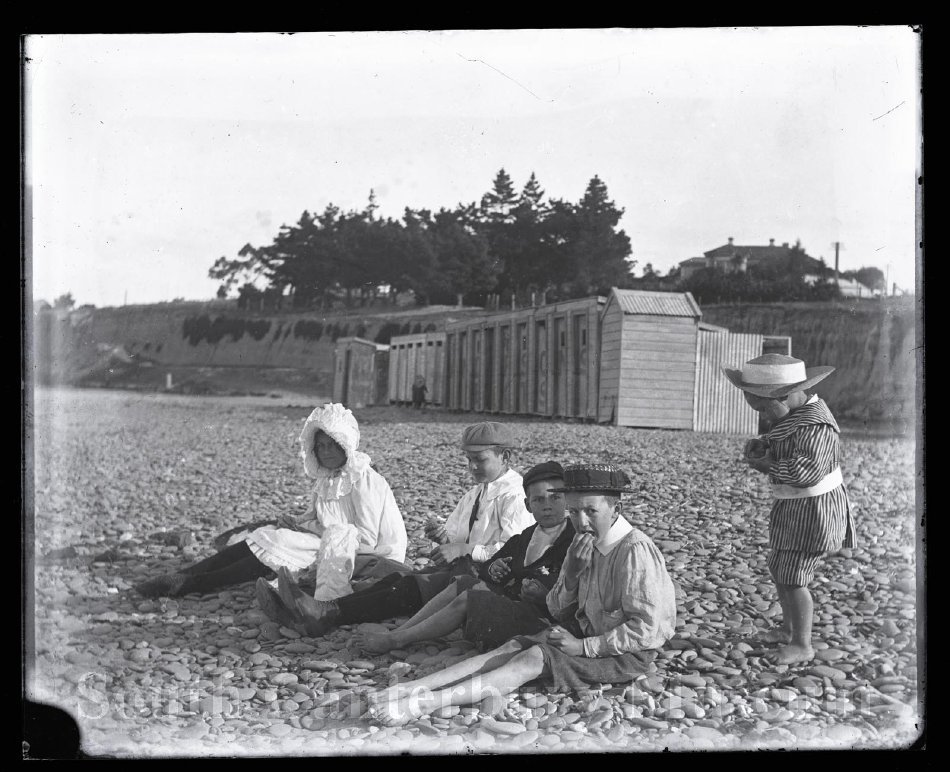
An unlabelled image of children at Caroline Bay, Timaru, circa 1900. In the background are a row of changing sheds and the clay cliff that overlooks the Bay. Believed to have been taken by William Ferrier. SCM 2019/049.22
Every town has infrastructure it would rather leave off the postcard... Timaru planted trees in front of its.
Before underground sewerage, human waste was commonly stored in backyard privies, pans or buckets. It acquired the surprisingly agricultural name “night soil”. At the time I suspect that this was Timaru’s most awkward secret, and what most households would prefer not to discuss...
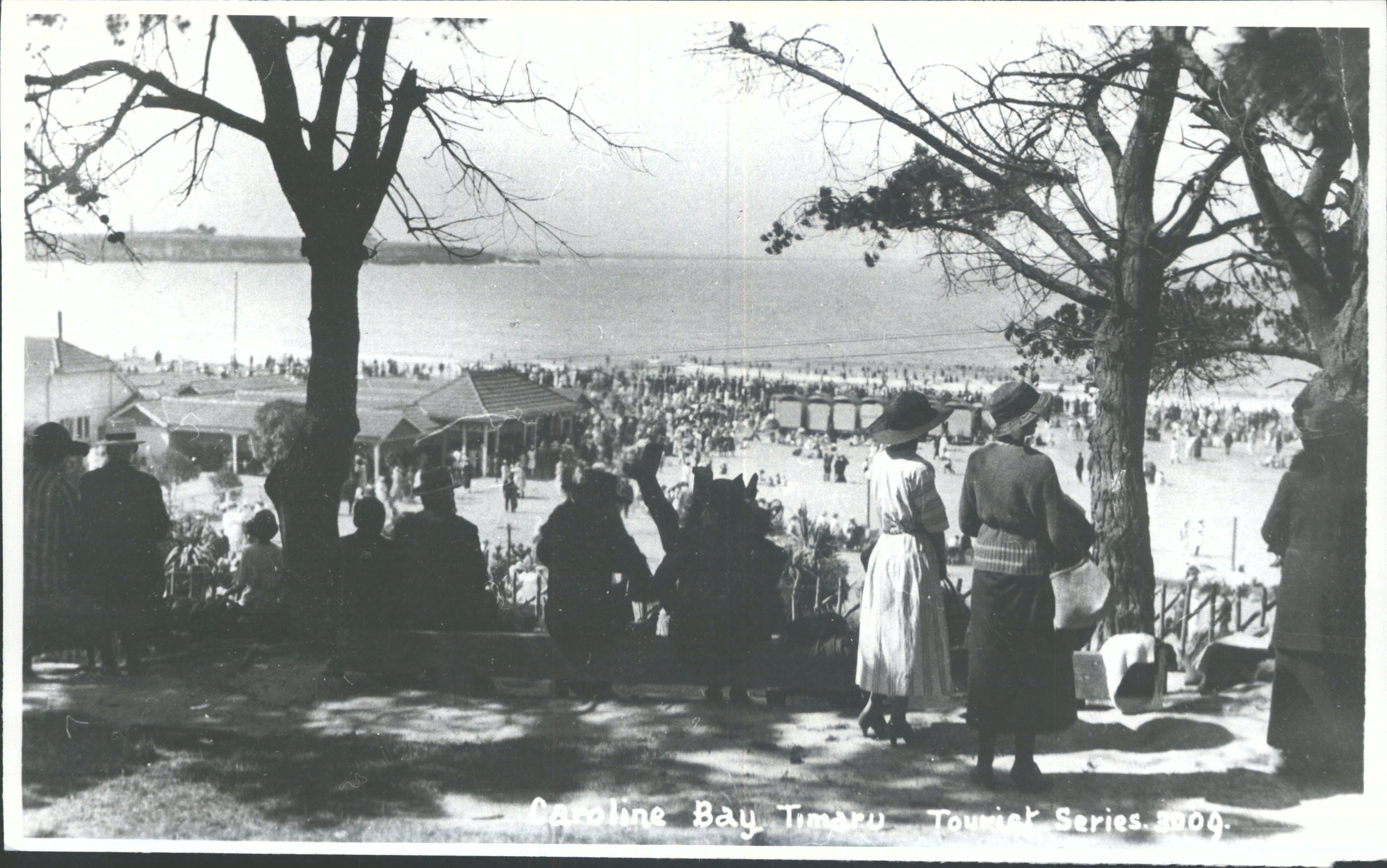
Caroline Bay, Timaru. Hocken Digital Collections, accessed 17/04/2025, https://hocken.recollect.co.nz/nodes/view/24014 Conditions of Use and Copying. Low quality image. For further information on use of low quality scans and on how to order a high quality image please see conditions of use.
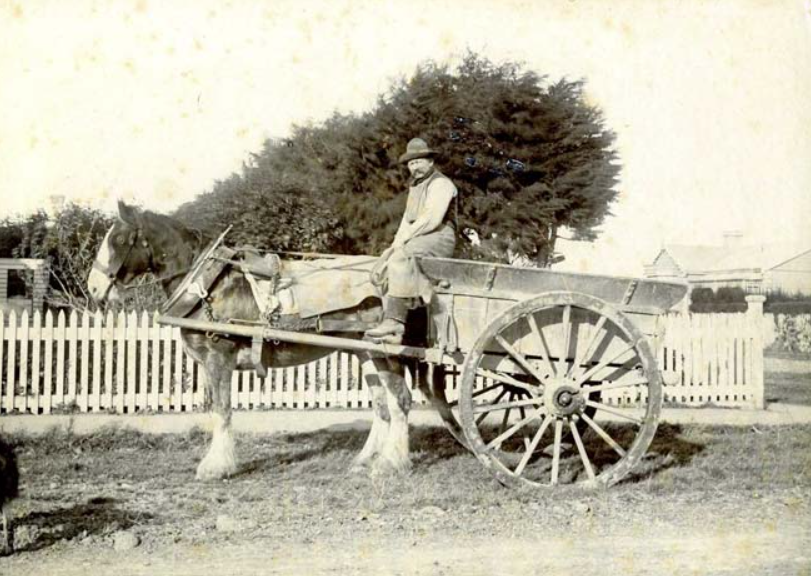
What did a night cart look like? Mr Hollander, the night-soil collector for St Kilda, Dunedin, with his horse-drawn cart in 1912. Timaru used a comparable pan-based sanitation system before comprehensive underground sewerage. Courtesy of Manatū Taonga, Te Ara – The Encyclopedia of New Zealand. - Toitū Otago Settlers Museum, "People put their excrement out in buckets and, under cover of dark, the night-man would collect it and dump it at ‘manure depots’ on the city outskirts." Reference: 1989/268/13 - Christine Dann, Sewage, water and waste – Stinking cities, Te Ara – the Encyclopedia of New Zealand, https://teara.govt.nz/en/photograph/24430/night-soil-man.
Across New Zealand, a night-soil man collected the containers after dark and carried them away by cart. The contents were taken to a designated depot, where they were supposed to be buried or covered with earth.
In early Timaru, at least some of the town’s night soil and rubbish went over the cliffs beside Caroline Bay. Historian Oliver Gillespie later described the old Bay as a bleak line of rock beneath cliffs used for dumping waste. This was not yet the carefully planted playground, carnival ground and sandy beach we know today.
It was said that a pioneer of planting the bay, W. Rutherford, planted firs at the cliff edge, to hide a rubbish and nightsoil shoot in use there at that time.
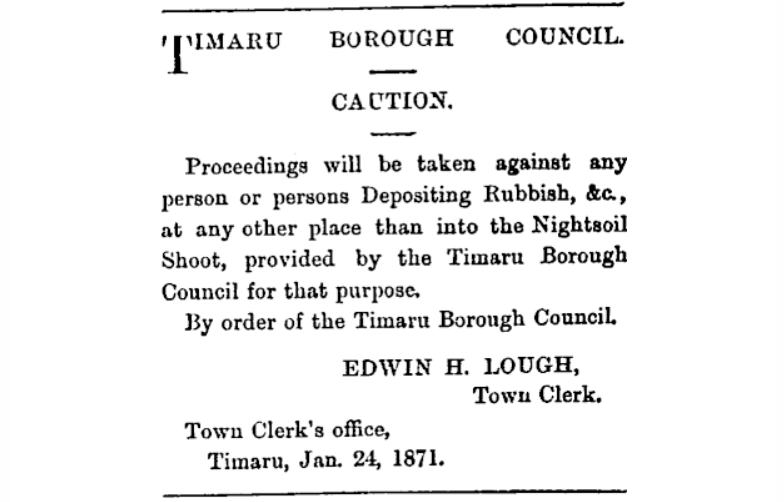
Timaru Herald, Volume XIV, Issue 592, 28 January 1871, Page 1 https://paperspast.natlib.govt.nz/newspapers/THD18710128.2.2.7
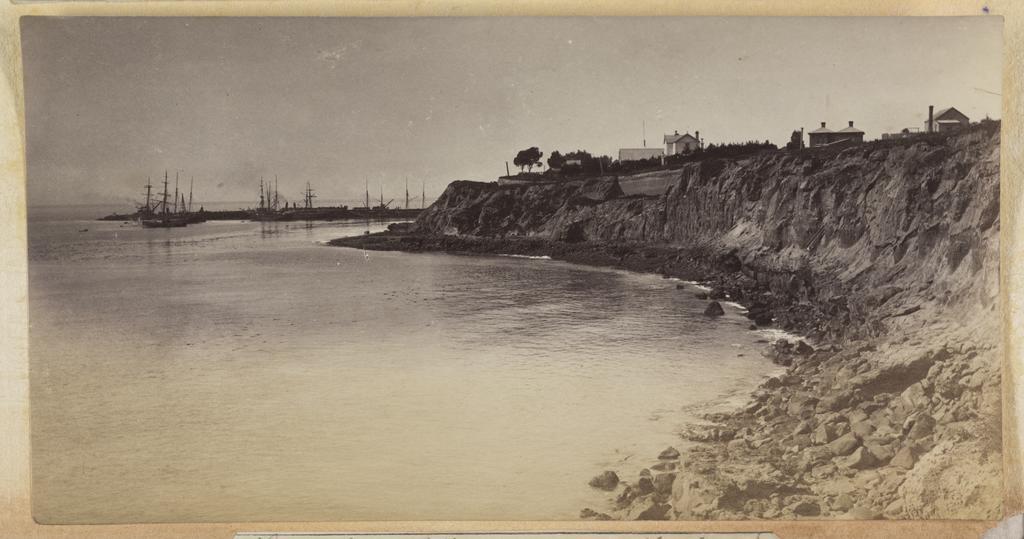
I think you can see the night soil shoot in this photo at the right. Timaru Caroline Bay rocky cliff area of coastline with the harbour and sailing ships in the distance 14797
This photograph shows a rocky cliff area of coastline with the harbour and sailing ships in the distance. Unknown, Timaru coast (c.1880s). Hocken Digital Collections, accessed 23/07/2026, https://hocken.recollect.co.nz/nodes/view/58441
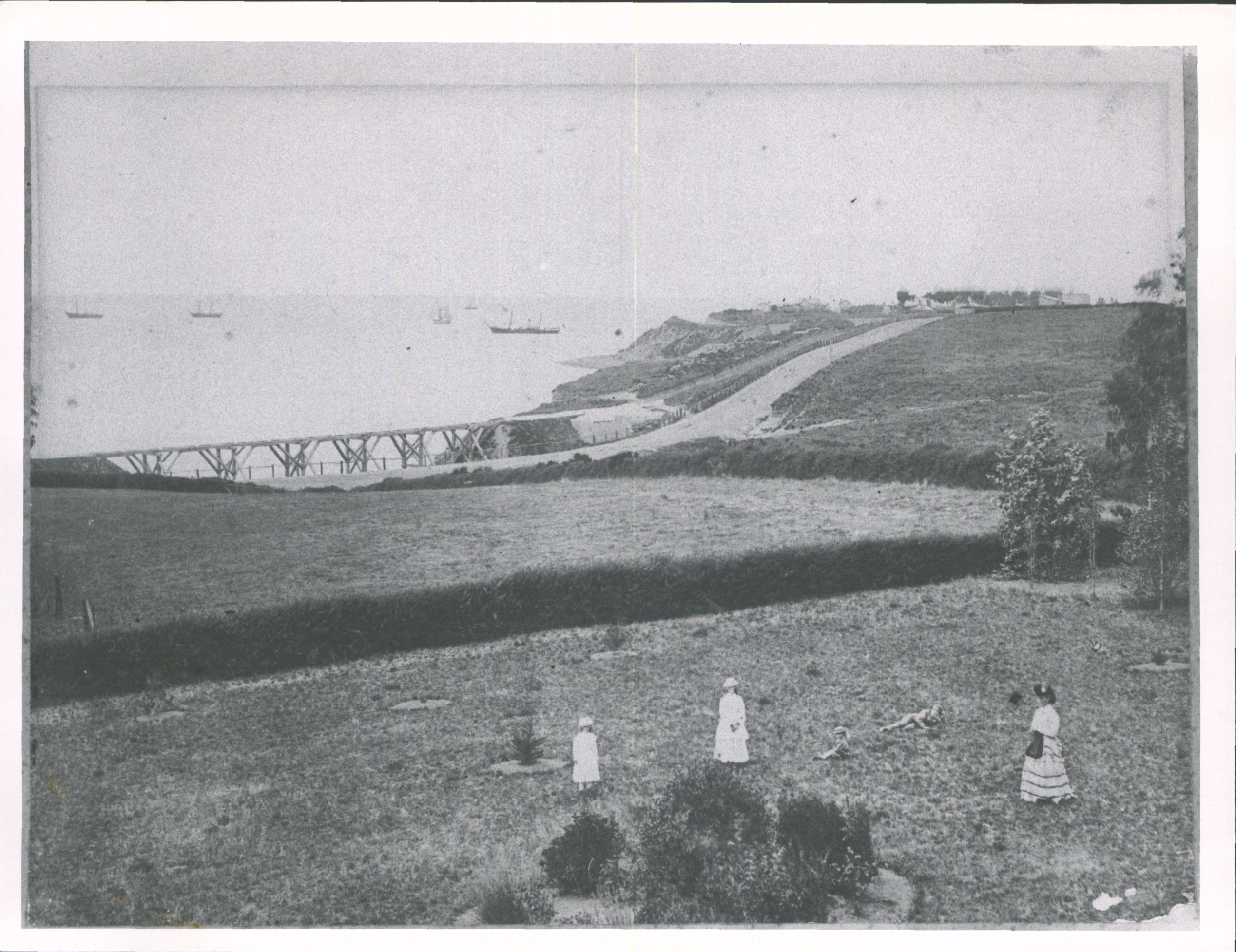
Looking towards the sea near Timaru (1871-1875). Hocken Digital Collections, accessed 17/04/2025, https://hocken.recollect.co.nz/nodes/view/23692 Low quality image. For further information on use of low quality scans and on how to order a high quality image please see conditions of use.
The coast itself looked completely different. Māori travellers had long used the reefs and limited shelter of this exposed coastline, while the surrounding lagoons were important kāinga mahinga kai for Te Rūnanga o Arowhenua. The port works that created a safer harbour. It impacted the way sediment moved up the coast and a sandy beach also transformed this much older cultural and ecological landscape.
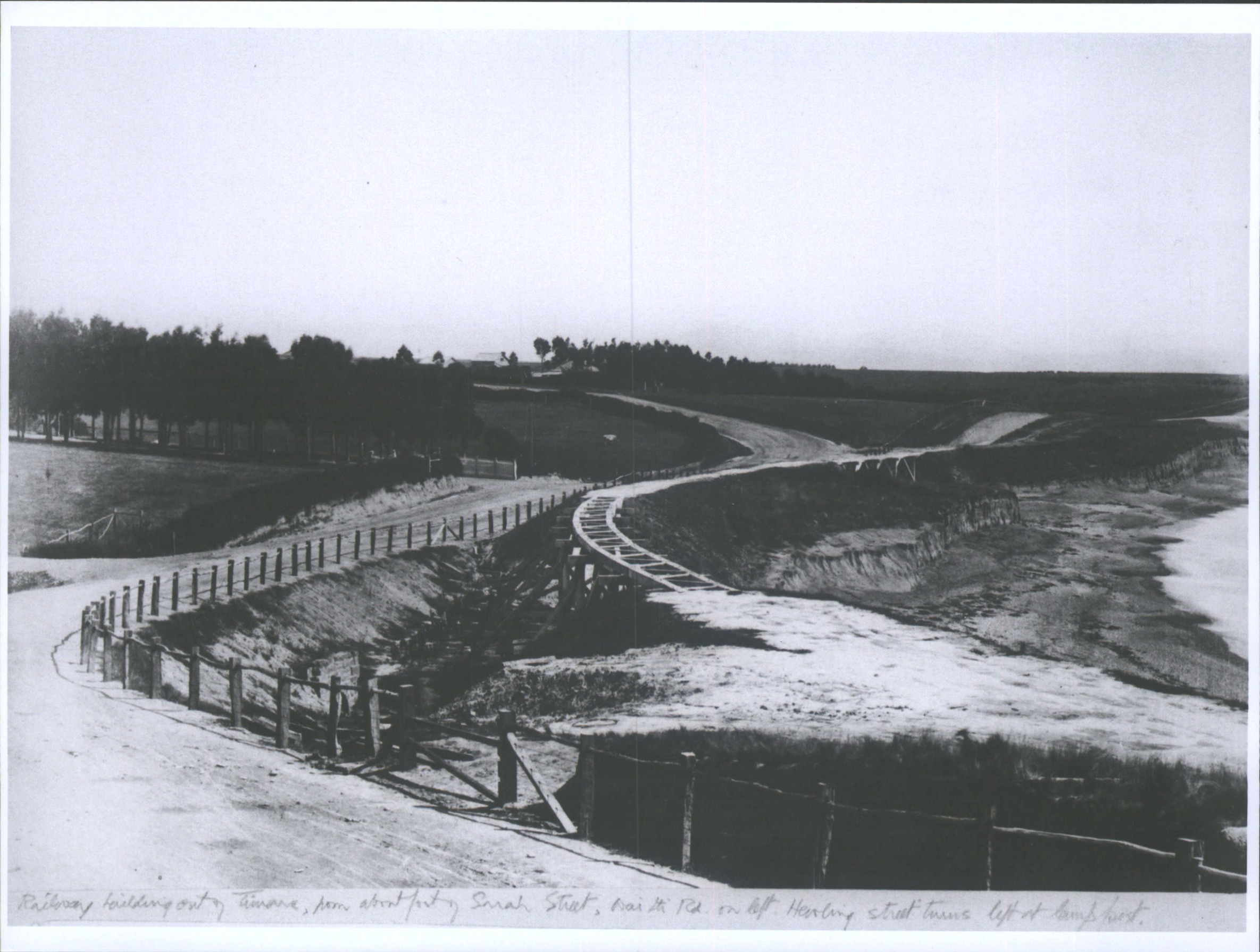
Copied from Album in private Hands.Timaru. Hocken Digital Collections, https://hocken.recollect.co.nz/nodes/view/26238
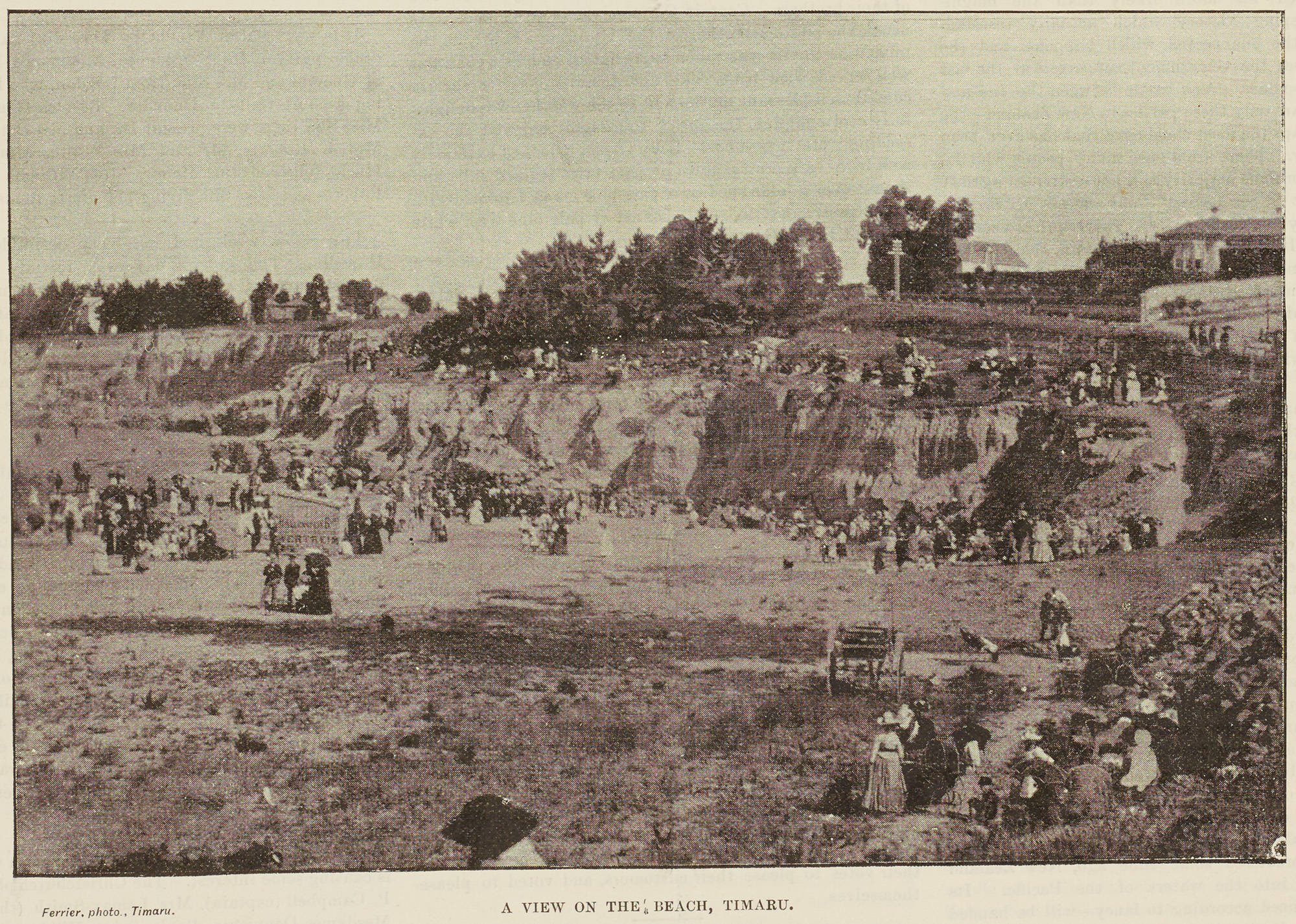
A view on the beach, Timaru 1893-12-09 taken by William Ferrier - View this issue on Papers Past: paperspast/1893/12/09 - Auckland Libraries Heritage Collections NZG-18931209-0481-01 "A VIEW ON TIMARU BEACH. A PICTURE in black and white can never do absolute justice to a scene like the beach at Timaru, which derives so much of its beauty from its brilliant colouring. But so far as photography and engraving may go, our reproduction goes, and it really gives a very admirable idea of the beach of one of our pleasantest watering places. The climate of Timaru is famous even in New Zealand, and on a bright day it would be very hard to find in the colony a brighter or more beautiful scene than Timaru Beach. Our picture is a reproduction of one of Mr Ferrier’s excellent photographs." - paperspast/NZGRAP18931209.2.2
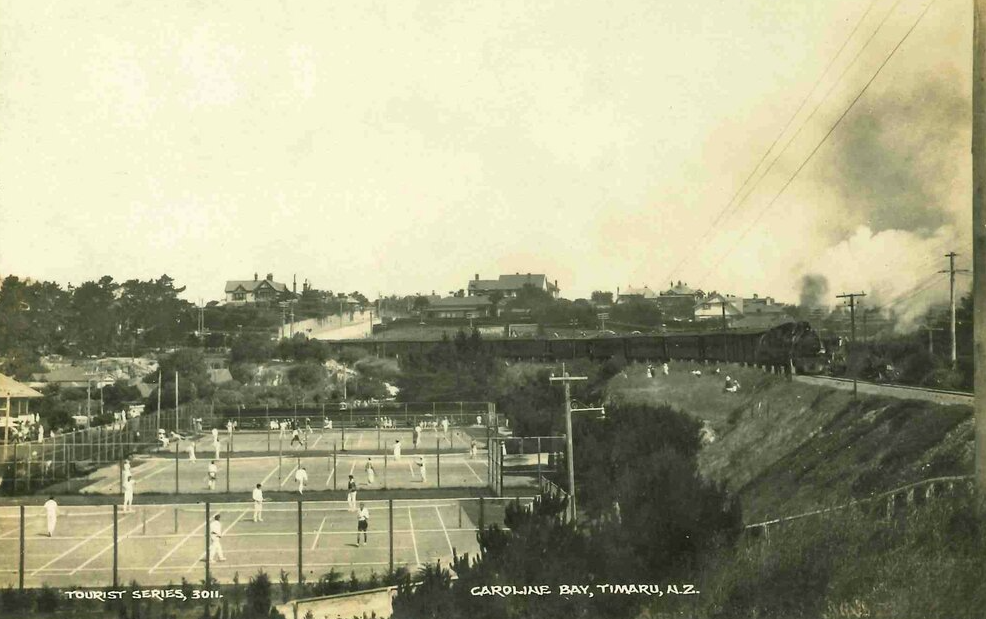
Frank Duncan & Co Ltd, Caroline Bay Timaru NZ (c1920s). Aoraki Heritage Collection, accessed 23/07/2026, https://aorakiheritage.recollect.co.nz/nodes/view/21
Local writer Doug Shears's book "Tales of South Canterbury. Vol. 1" is online on Aoraki Recollect is a great read and it explains this specific part of the story.
He recorded that Timaru’s night-soil dumping place was opposite the beginning of Sarah Street. A small grove of macrocarpas was planted there to screen it.
The trees were not simply decorative. Macrocarpas grow quickly, produce thick foliage and cope remarkably well with salt-laden coastal winds. As municipal camouflage goes, they were an efficient choice. They did not solve the sanitation problem, but theydid help hide it before railway lines crossed the foreshore and before sandy Caroline Bay had formed.
The railway reached this part of Timaru in 1875. Harbour works then altered the currents, eroded parts of the old cliffs and began building a new beach from fine sand. By 1892 the accumulation was already substantial.
The dates do not prove exactly when the grove was planted. Shears was born in 1923 and was recording a story from Timaru’s much earlier years. But they show just how dramatically the setting changed. The dumping place once stood beside a rocky, exposed shoreline. Within a few decades, residents were promenading, bathing and planting gardens over a growing seaside resort.
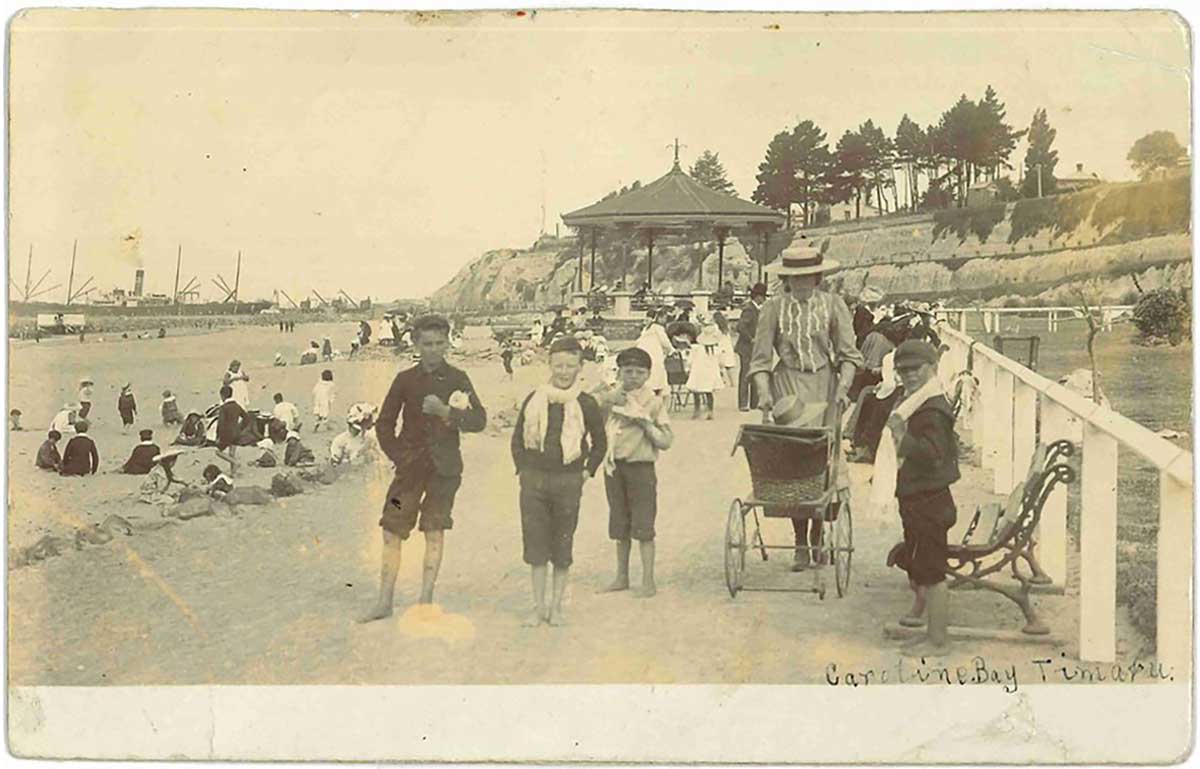
Caroline Bay c1906-7 Caroline Bay (circa 1906/1907). Aoraki Heritage Collection, accessed 23/07/2026, https://aorakiheritage.recollect.co.nz/nodes/view/7119
The sanitation system was changing too, although not in one clean flush.
By 1905 Timaru already had a mixture of public and private drains, alongside privies and earth closets. Parliament passed a special Act giving the borough greater drainage powers, including the ability to require sewer connections and retire the older closets. In 1906 the existing drainage attracted the alarming newspaper heading “Timaru Drains Condemned”.
Ratepayers finally approved a major underground drainage loan in April 1907. The first contract included a main sewer running towards Benvenue Cliff and a septic tank at its northern end. By late 1911 the engineer reported that the scheme included about 35½ miles of mains and another eight miles of connections. The night cart’s job was being buried by pipes, engineering and an impressive quantity of excavated Timaru clay.
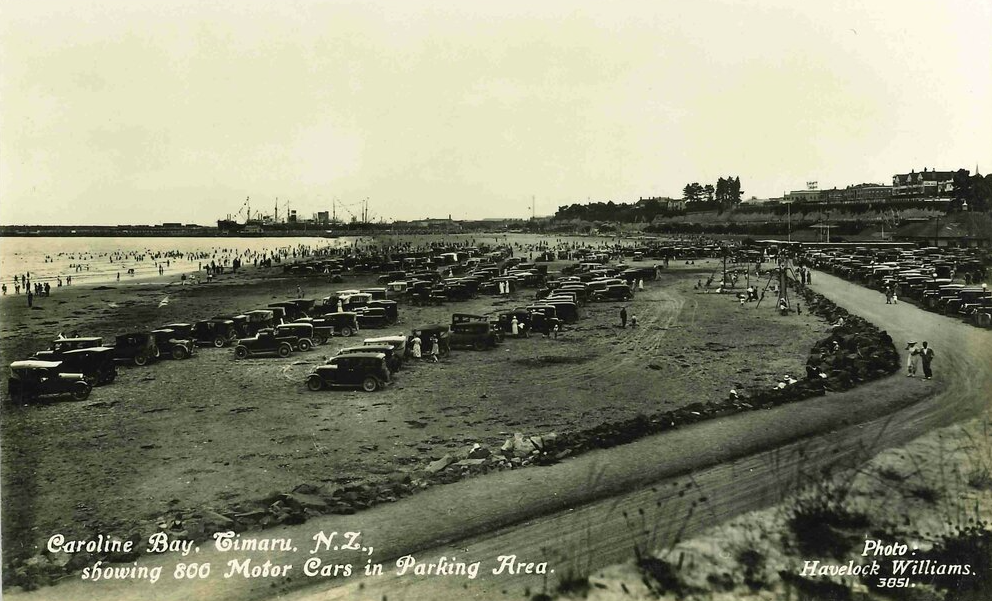
Caroline Bay Timaru NZ showing 800 Motor Cars in Parking Area (1920s?). Aoraki Heritage Collection, accessed 23/07/2026, https://aorakiheritage.recollect.co.nz/nodes/view/24
The old screening trees, however, remained.
Shears recalled that in 1948, while A. E. S. “Stan” Hanan was mayor, the macrocarpas were cut down to improve the view. Their original purpose had disappeared, Caroline Bay had become one of Timaru’s proudest public spaces, and the trees were now standing between people and the scenery they had come to admire. Hanan was indeed mayor at the time, although no accessible council minute or newspaper report has yet been found to confirm the cutting.
In the fuller account, Shears noticed that one tree had been left behind. A workman explained that it was being retained as a reminder of Timaru’s early days, and Hanan confirmed it when he appeared at the site.
Shears was not convinced by the plan. A tree that had grown inside a sheltered group was now expected to face the nor’westers alone. Modern forestry research supports the general concern: removing surrounding trees can suddenly expose those left standing to much greater wind forces. Macrocarpa itself is highly wind-tolerant, so the final tree was not necessarily doomed, but Shears’s warning was reasonable.
What happened to that last tree remains unresolved. It may have fallen, been removed later or survived long enough to disappear quietly from public memory. Until a dated photograph, council record or newspaper report turns up, it would be wrong to supply the story with a neat ending simply because neat endings are satisfying.
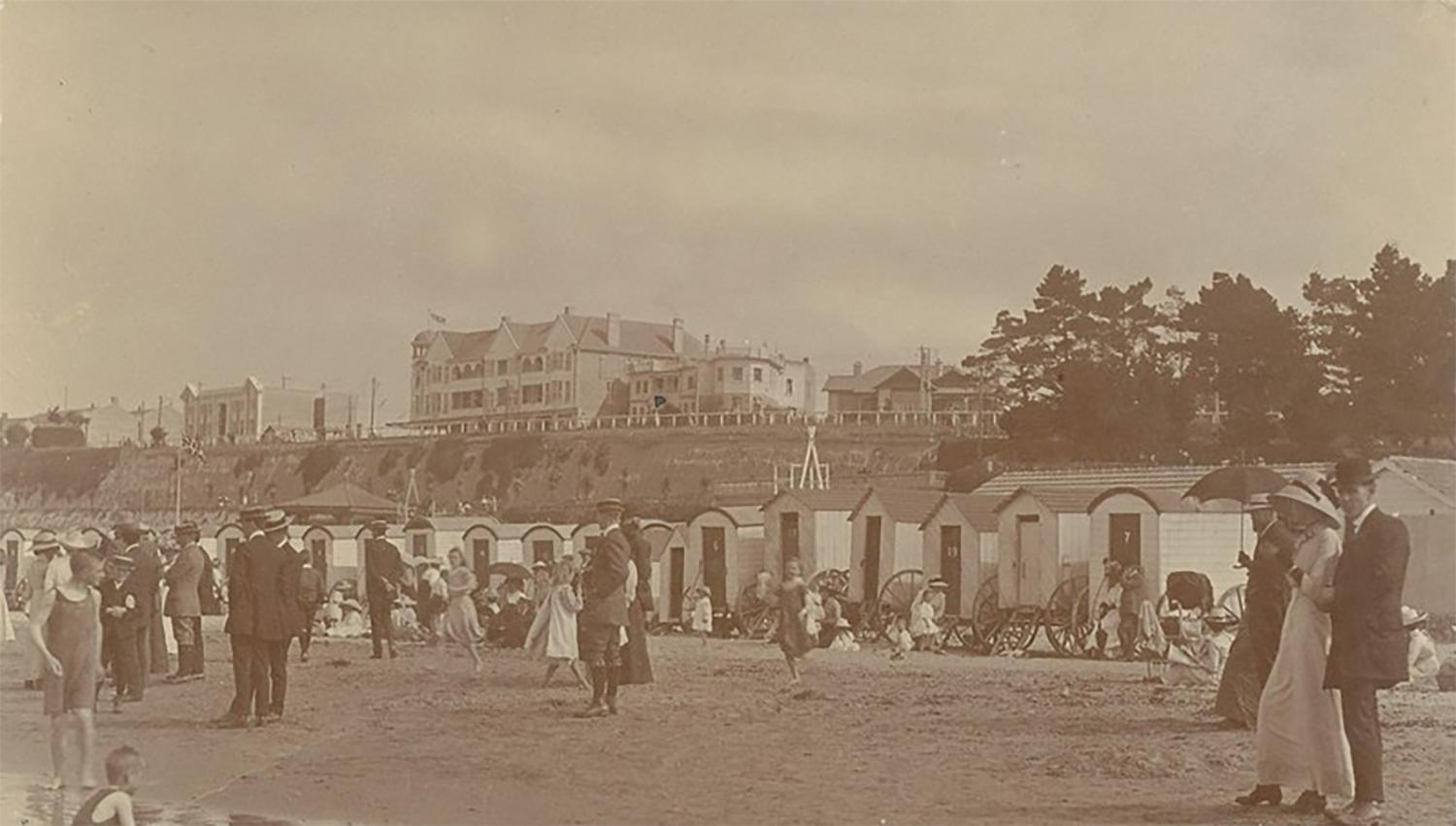
New Zealand - Timaru - Caroline Bay - W Ferrier photo - Photo postcard format #timaru
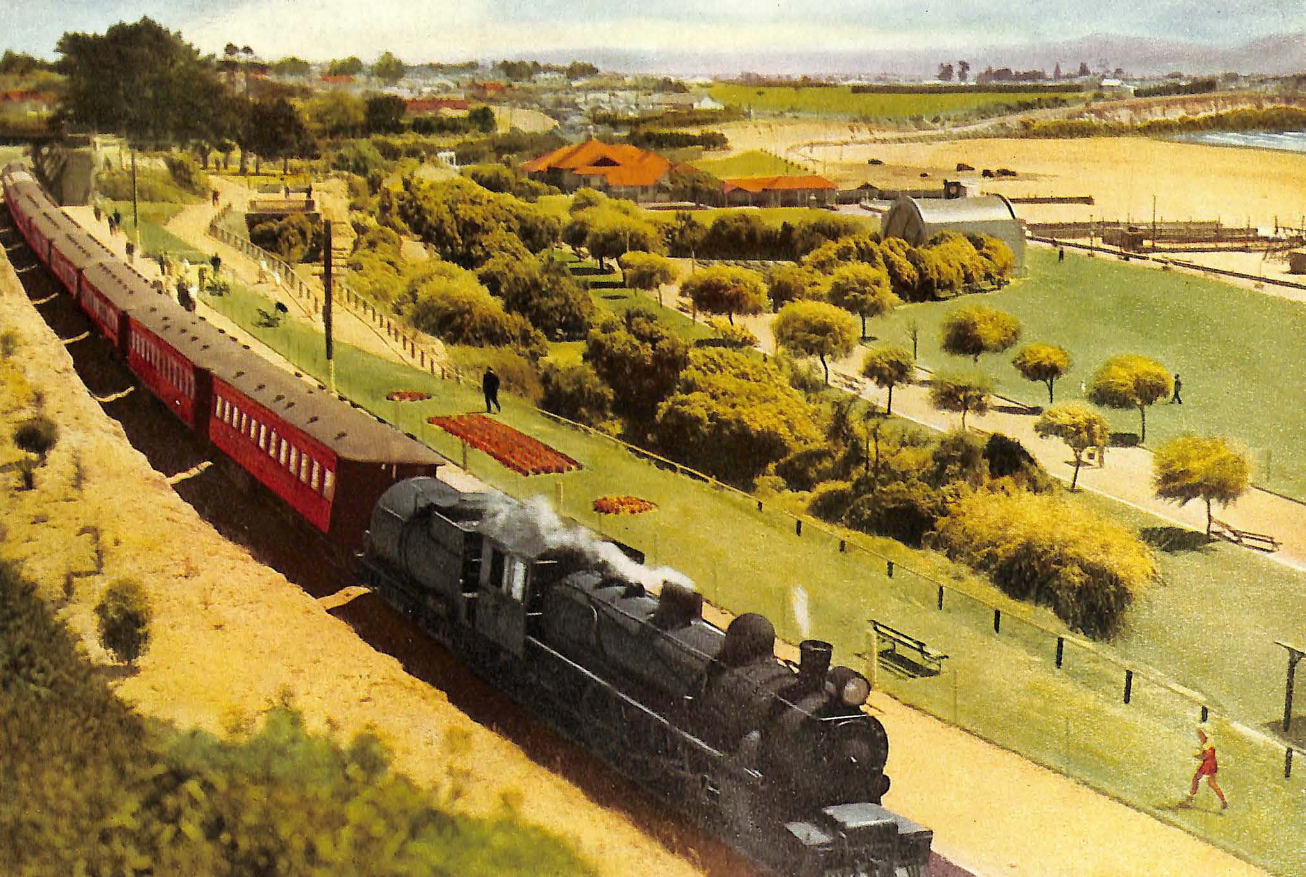
Publicity Branch, New Zealand Railways, Caroline Bay, Timaru (1937). Aoraki Heritage Collection, accessed 23/07/2026, https://aorakiheritage.recollect.co.nz/nodes/view/4359
But perhaps the tree had already done its job.
The grove began as a screen, planted to prevent people from seeing something unpleasant. The final macrocarpa was left for precisely the opposite reason: to make people remember it. That is quite a promotion for a tree. From civic camouflage to historical evidence, with only a night cart, a sewer scheme and a nor’wester in between.
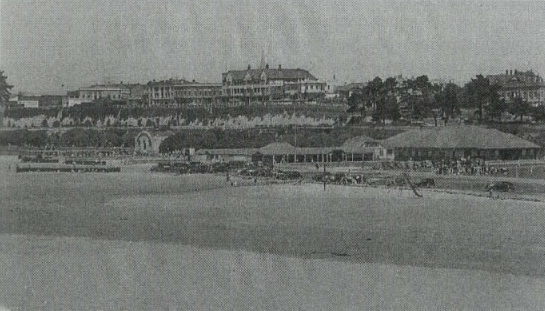
Before Timaru had sewer pipes, the town’s night soil was dumped near the beginning of Sarah Street. At the time, there were no railway lines and Caroline Bay had not yet been formed. A small grove of macrocarpa trees was planted to screen the unpleasant site from view. - Doug Shears, Tales of South Canterbury. Vol. 1: Caroline Bay. Aoraki Heritage Collection, https://aorakiheritage.recollect.co.nz/nodes/view/8179
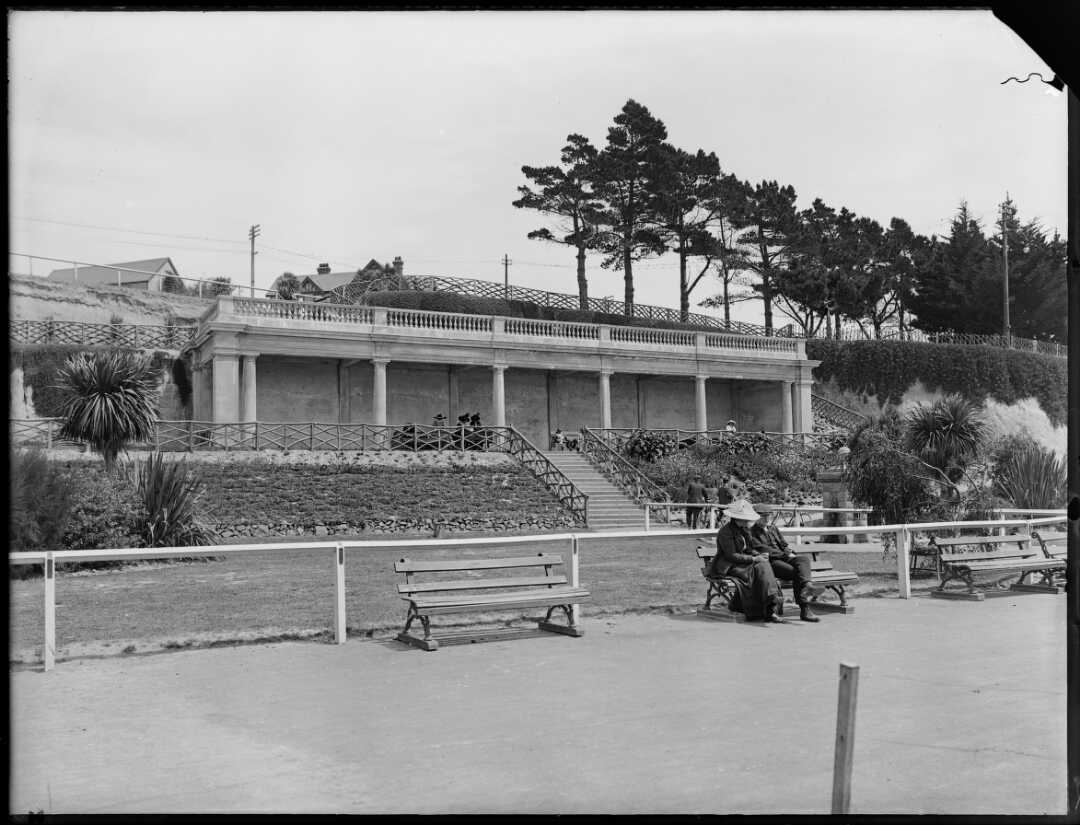
Caroline Bay, Timaru, showing shelters, seating and gardens. 1914.The photograph was taken by an unidentified photographer employed or contracted by 'The Press' newspaper in Christchurch. Tiaki IRN: 692951 Tiaki RN: 1/1-009808-G Collection: PA-Group-00103: The Press (Newspaper)
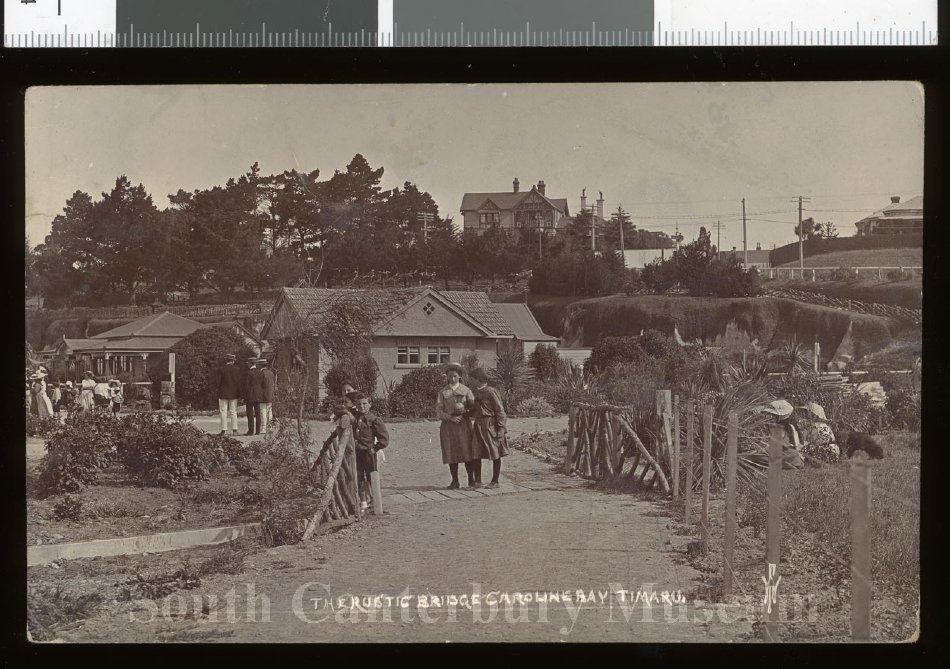
1915 The rustic bridge Caroline Bay Timaru, Pictures several children on and around the bridge, part of the walkway leading to the Caretaker's Cottage and Tea Rooms on the Bay (in the background). - South Canterbury Museum -2015/150.02
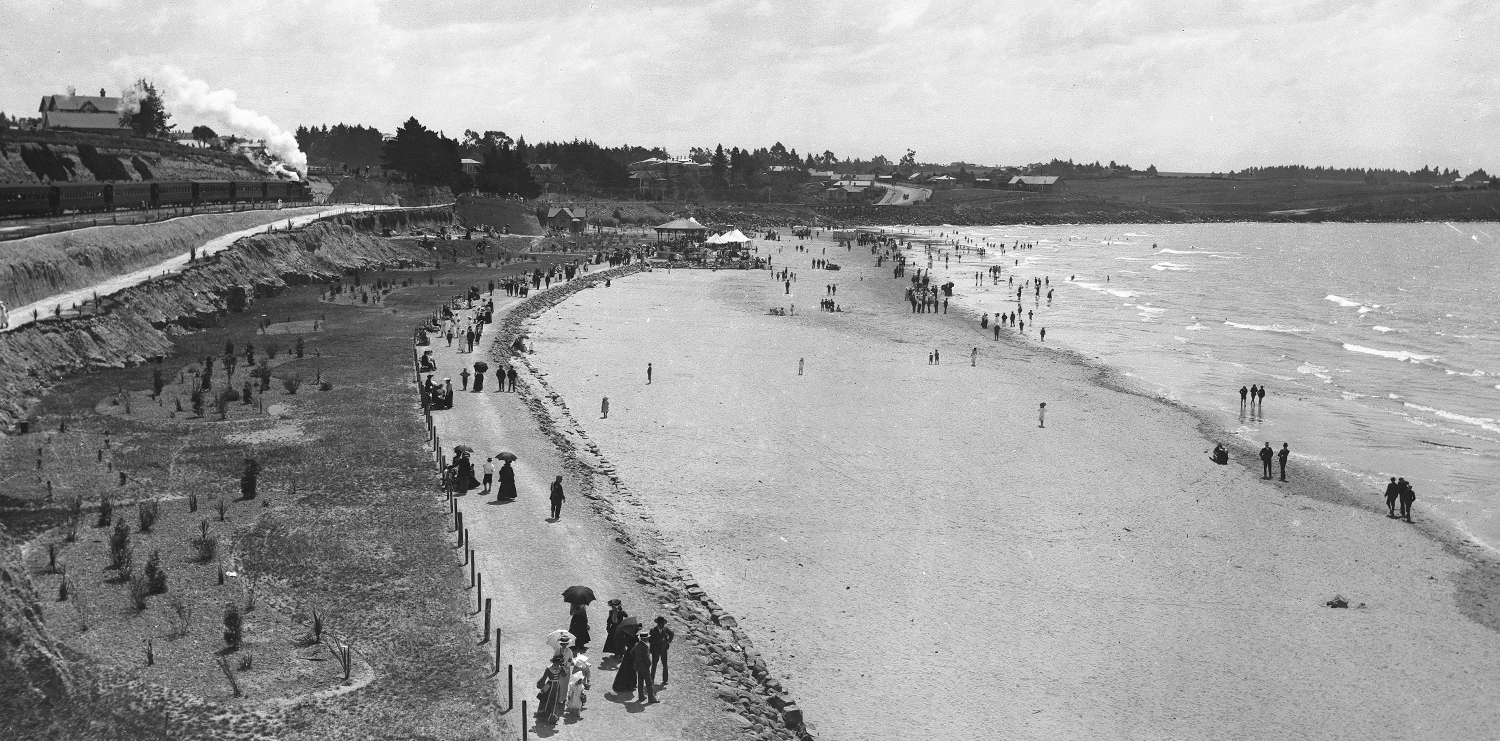
Caroline Bay, Timaru, 1900s, Dunedin, by Muir & Moodie. Te Papa (C.014386)
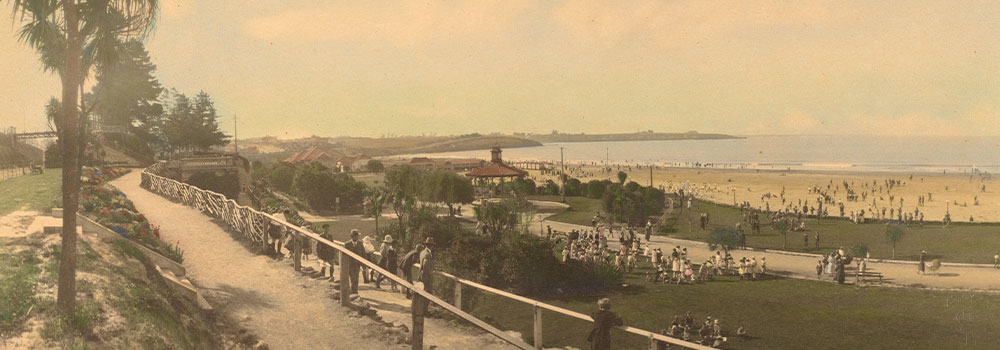
Caroline Bay, Timaru, 1920s, Timaru, by Havelock Williams. Image purchased 1999 with New Zealand Lottery Grants Board funds. Te Papa (O.020793)
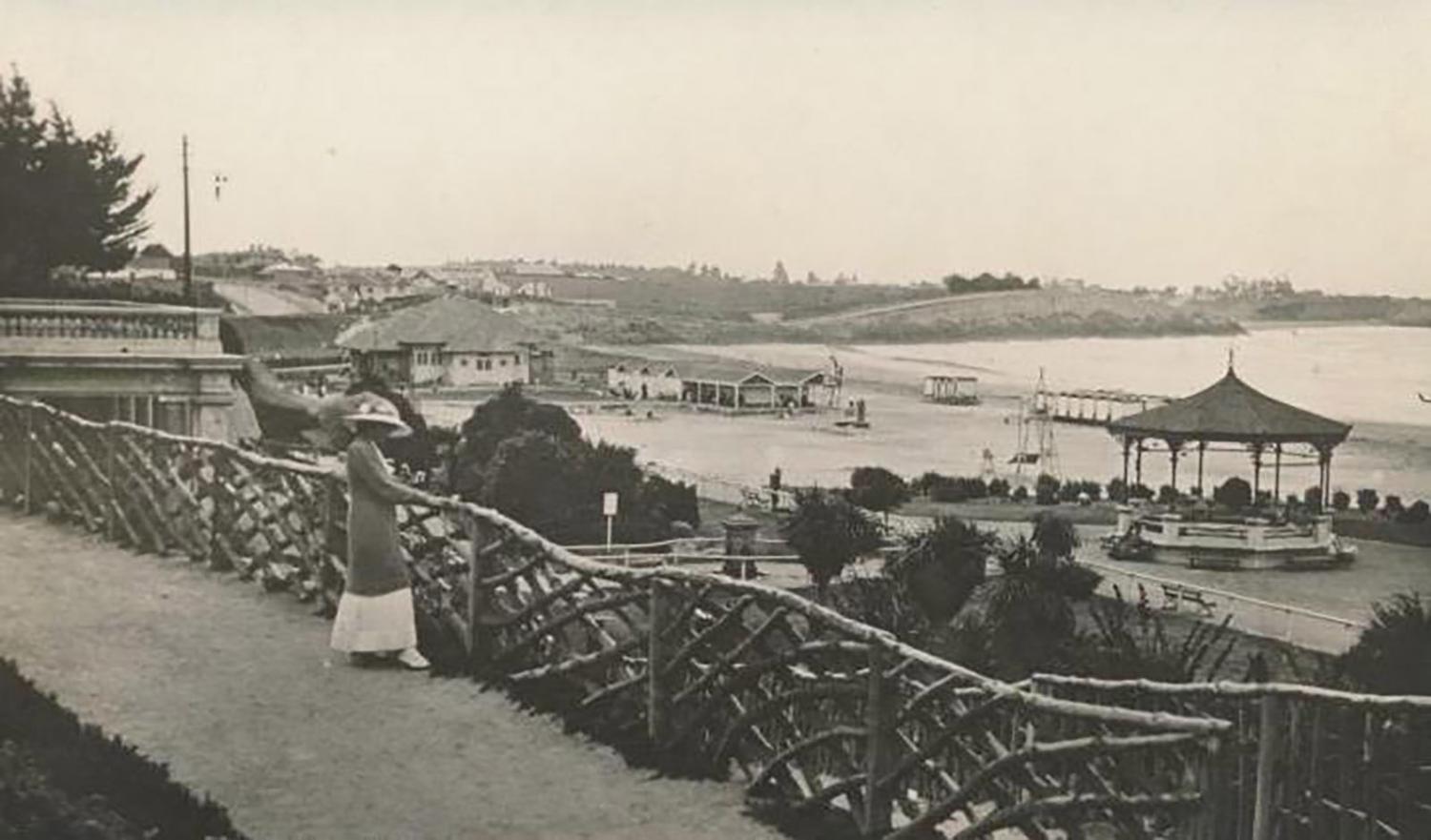
New Zealand - Timaru - Caroline Bay - 1940’s - Fyfe photo - Photo Postcard Format #t443
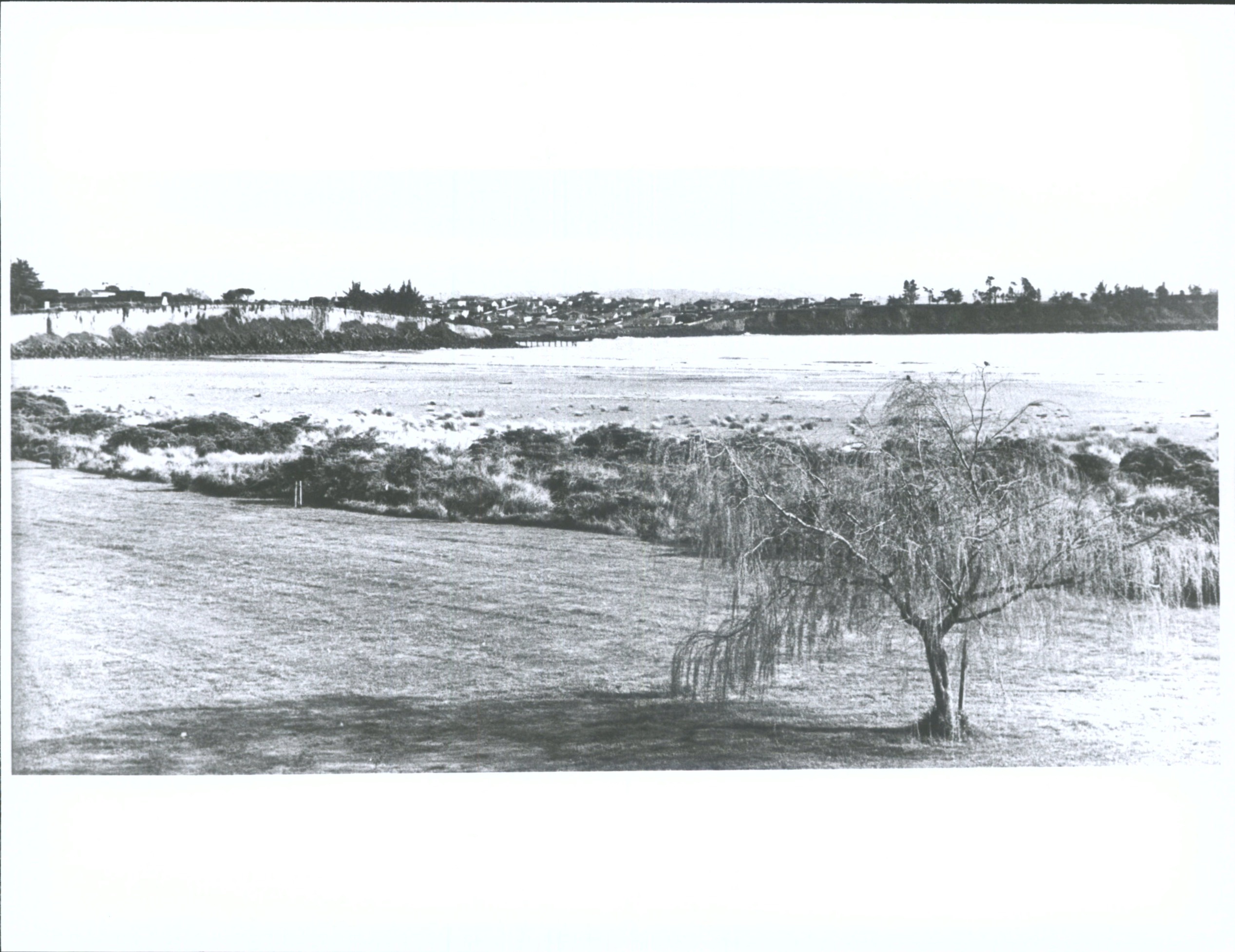
Willow tree Caroline Bay, Timaru, N.Z.. Hocken Digital Collections, accessed 17/04/2025, https://hocken.recollect.co.nz/nodes/view/23968 Conditions of Use and Copying Low quality image. For further information on use of low quality scans and on how to order a high quality image please see conditions of use.
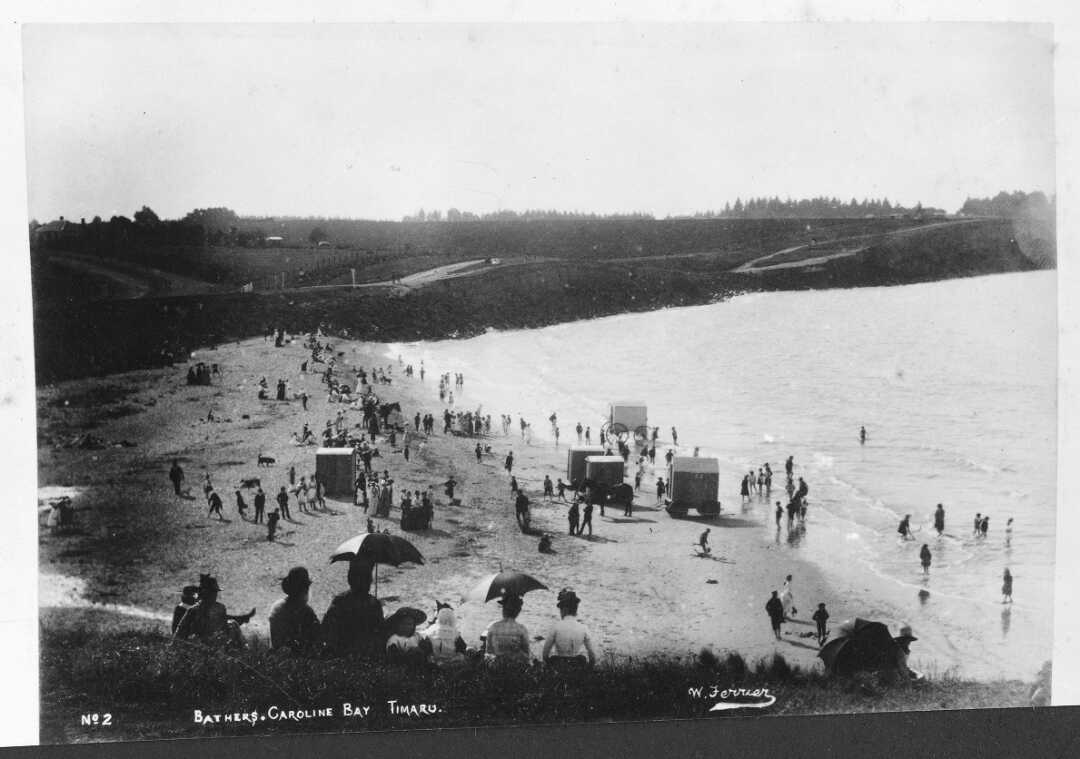
Caroline Bay in 1890. Crowd on the beach at Caroline Bay, Timaru, circa 1890. Bathing machines are by the surf. Perhaps this is the stream at the left. Photograph taken by William Ferrier. - National Library. Tiaki Reference Number: PAColl-4746-02
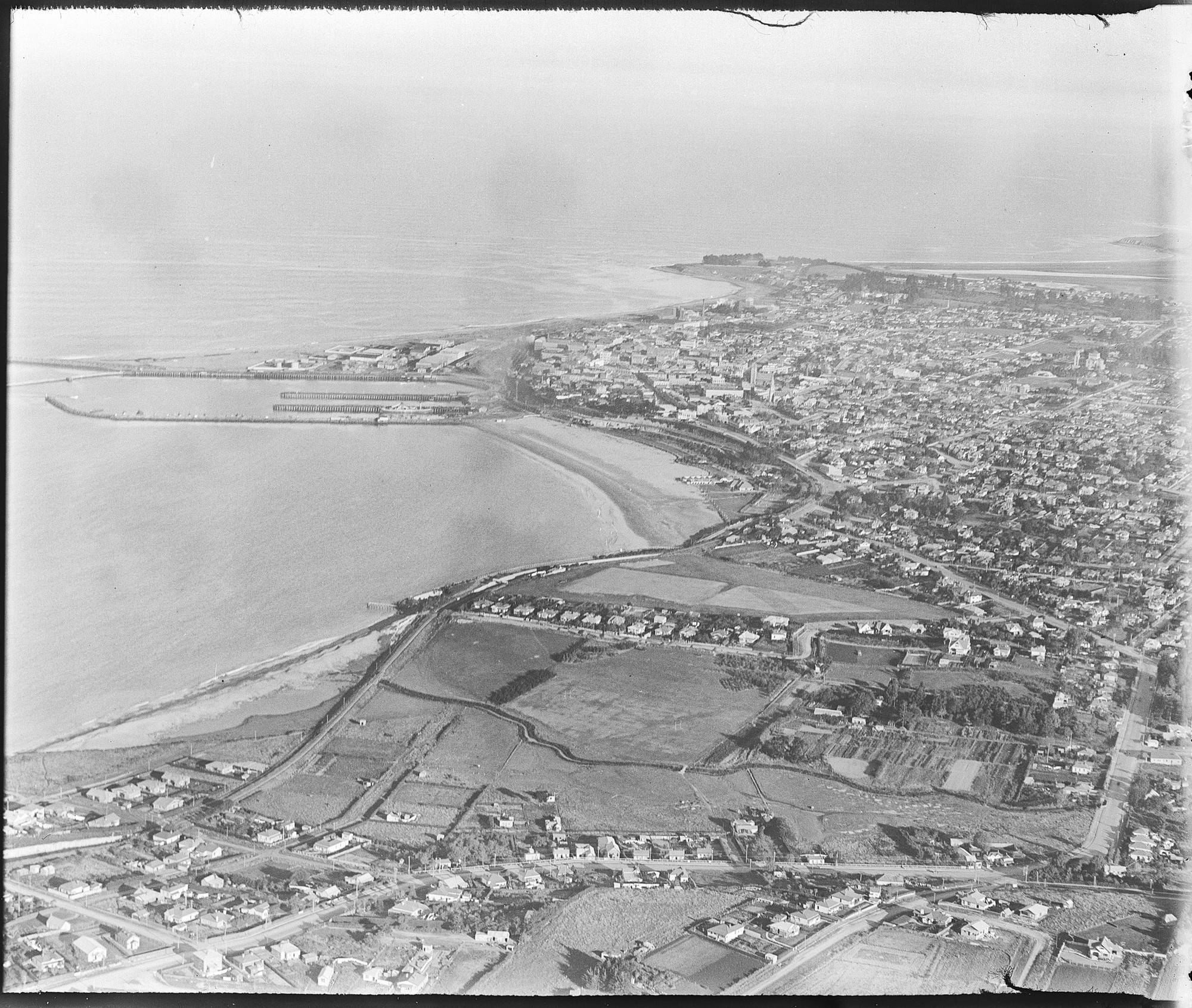
1927 Timaru from the air - Auckland Libraries Heritage Collections FDM-0690-G - Creative Commons Licence: Attribution CC BY
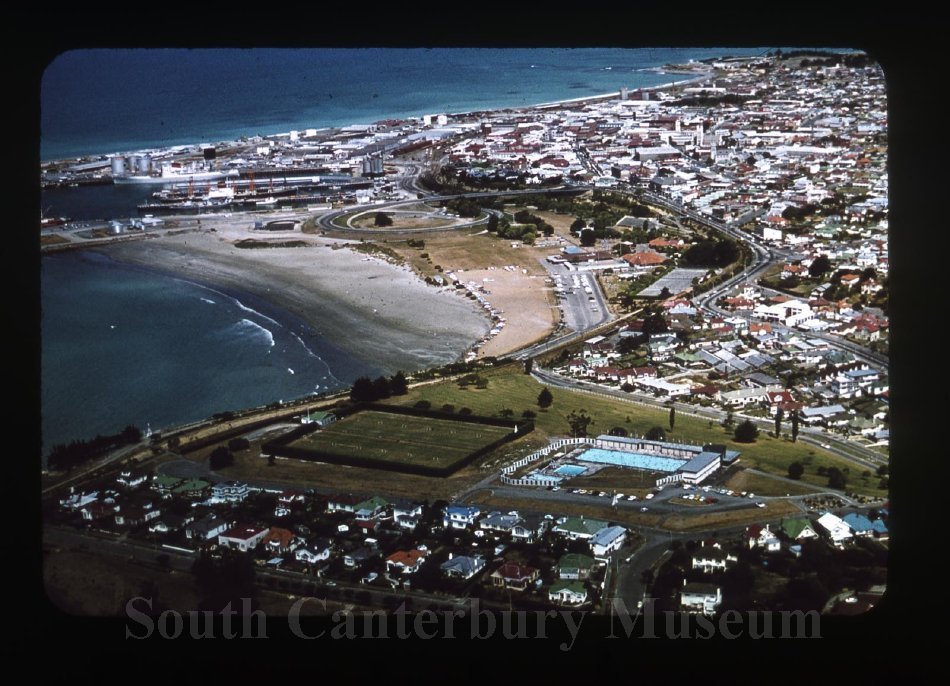
c. 1975 view of Maori Hill and Caroline Bay, Timaru Main School SCM 2018064.023
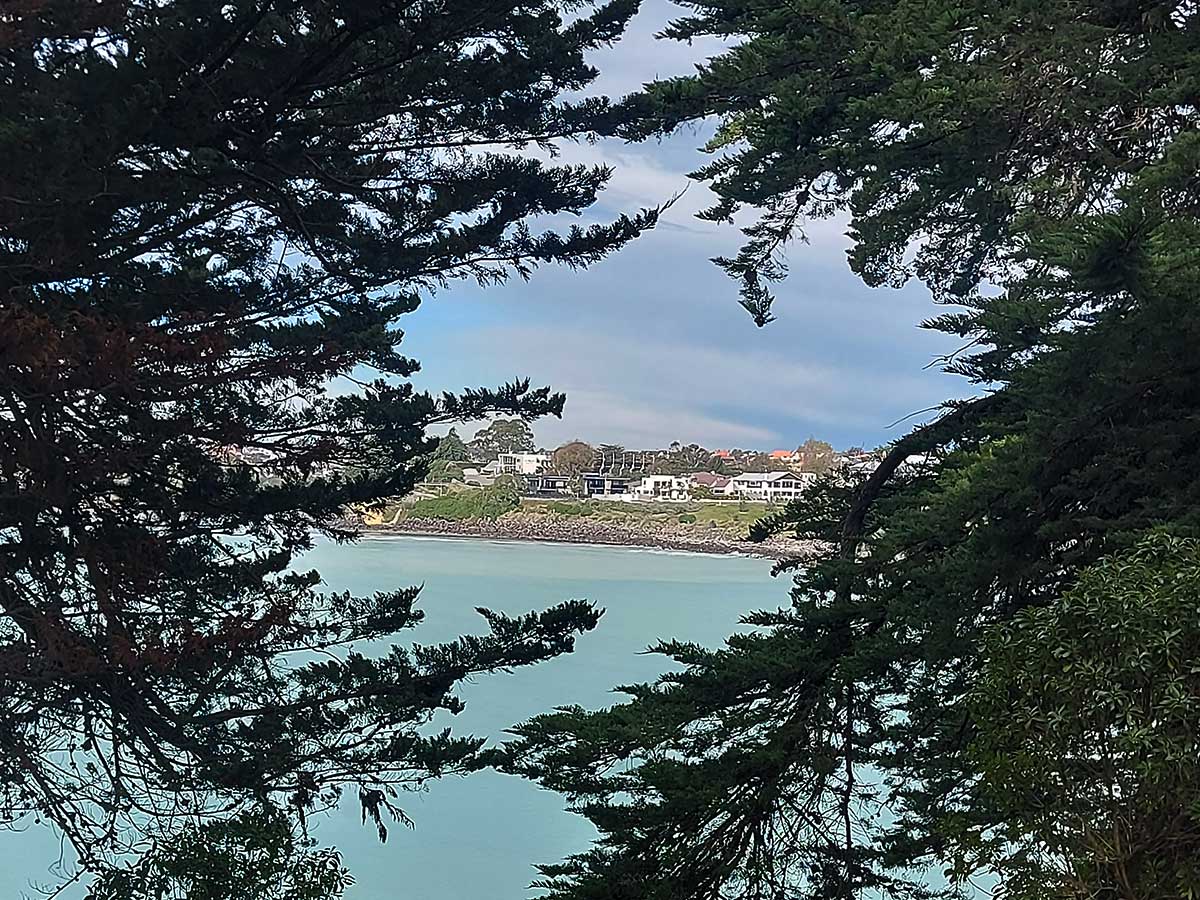
Looking through the trees from Dashing Rocks - Photo Roselyn Fauth