
By Roselyn Fauth
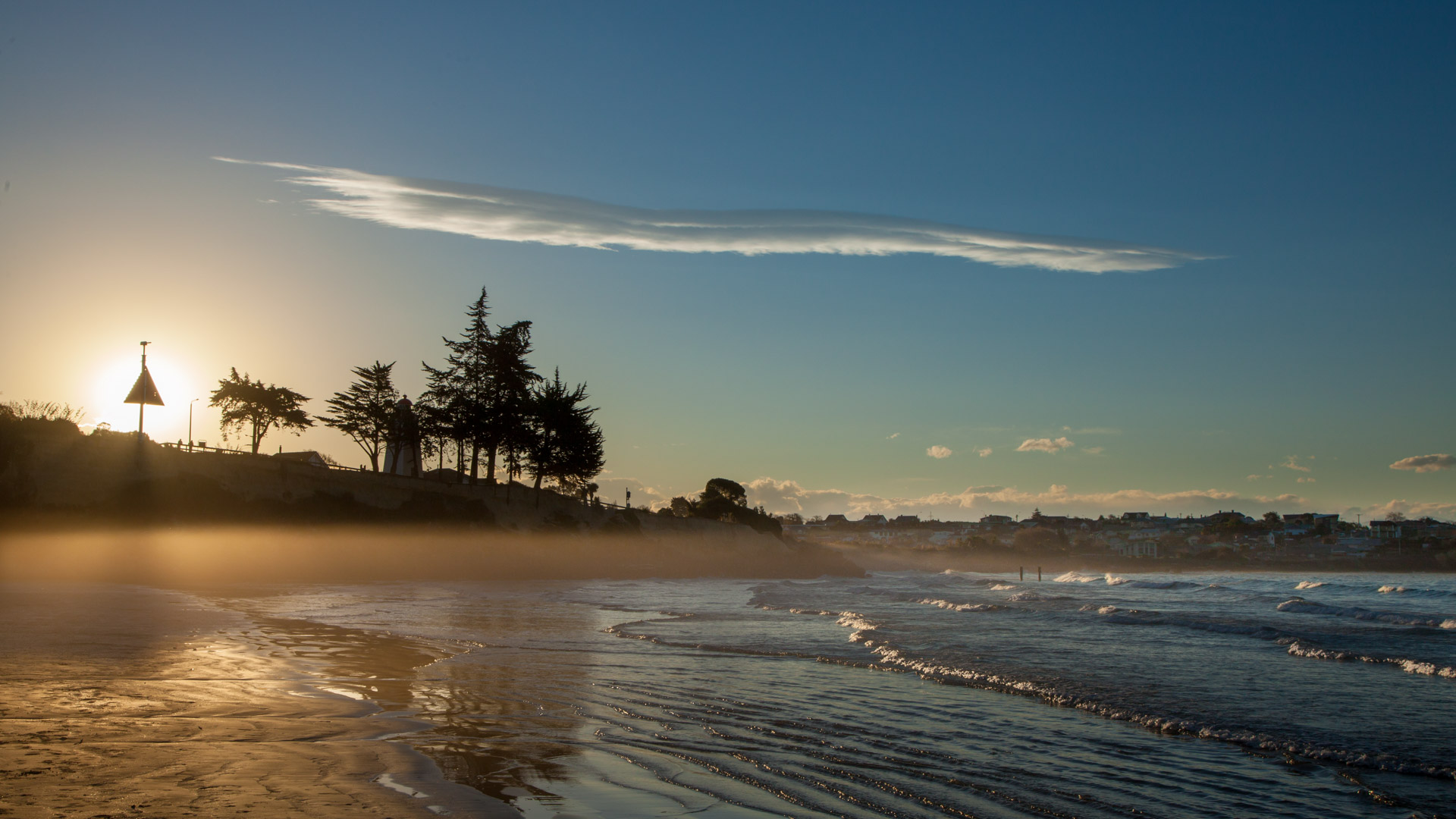
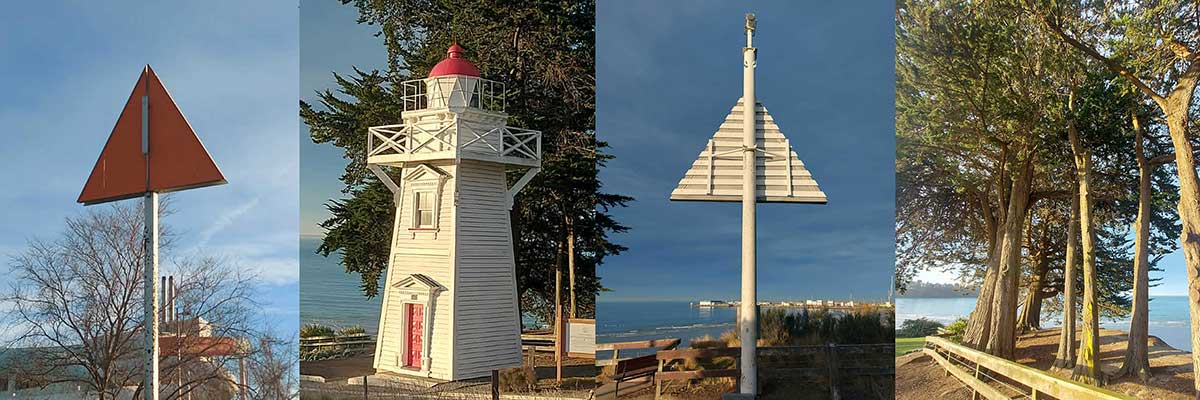
Why Blackett’s Lighthouse, the Benvenue cliffs and the macrocarpa belong together
From time to time, people suggest that the old macrocarpa on the Benvenue cliffs should be removed so Blackett’s Lighthouse can be seen more clearly from Caroline Bay.
It is easy to understand the impulse. With its white timber walls and distinctive red lantern roof, the lighthouse is one of Timaru’s most recognisable heritage structures. Yet from several viewpoints it is partly hidden behind the trees.
But heritage is not always improved by making one object stand alone. A friend Phil Brownie dropped off a file box. He has been involved in many community projects over the years including the Historic Places Trust. Inside is a treasure trove of proof of effort of the group over the years to save, restore and relocate the lighthouse.
It has been great to see the enthusiasm towards the lighthouse recently, and it prompted this blog, to pull out Phils records and share them with you all...
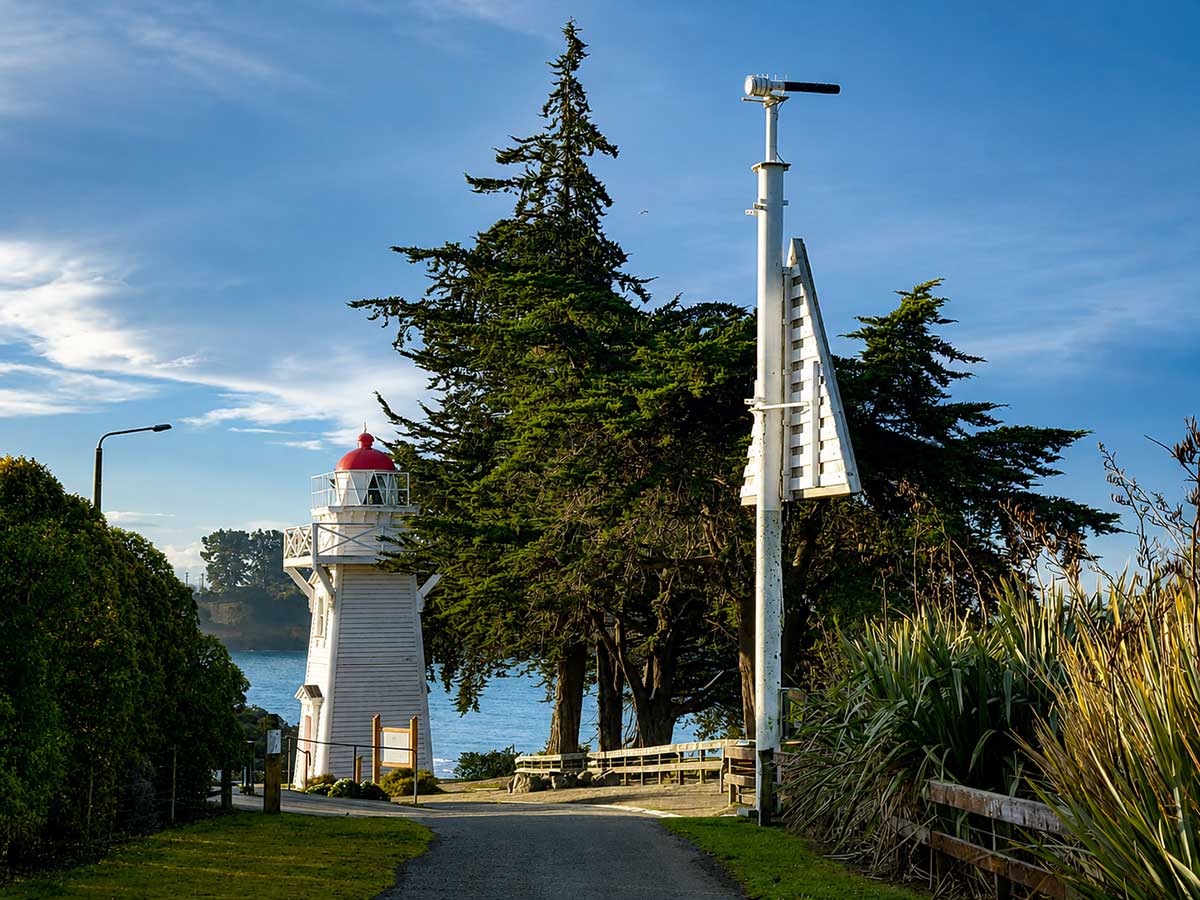
Blackett Lighthouse Benvenue Cliffs Port Navigation Caroline Bay - Photo Roselyn Fauth 260724
The lighthouse, trees, cliffs, reserve and sea now bring several layers of Timaru’s history together in one place. They connect us with mana whenua, early coastal navigation, the open-roadstead landing services, the Black Sunday shipwrecks, the development of the harbour and the people who fought to save the lighthouse when it was no longer required.
There may be another place from which the lighthouse could be seen more clearly. But would moving it make its story clearer, or would it separate the structure from the landscape that now helps us understand it?
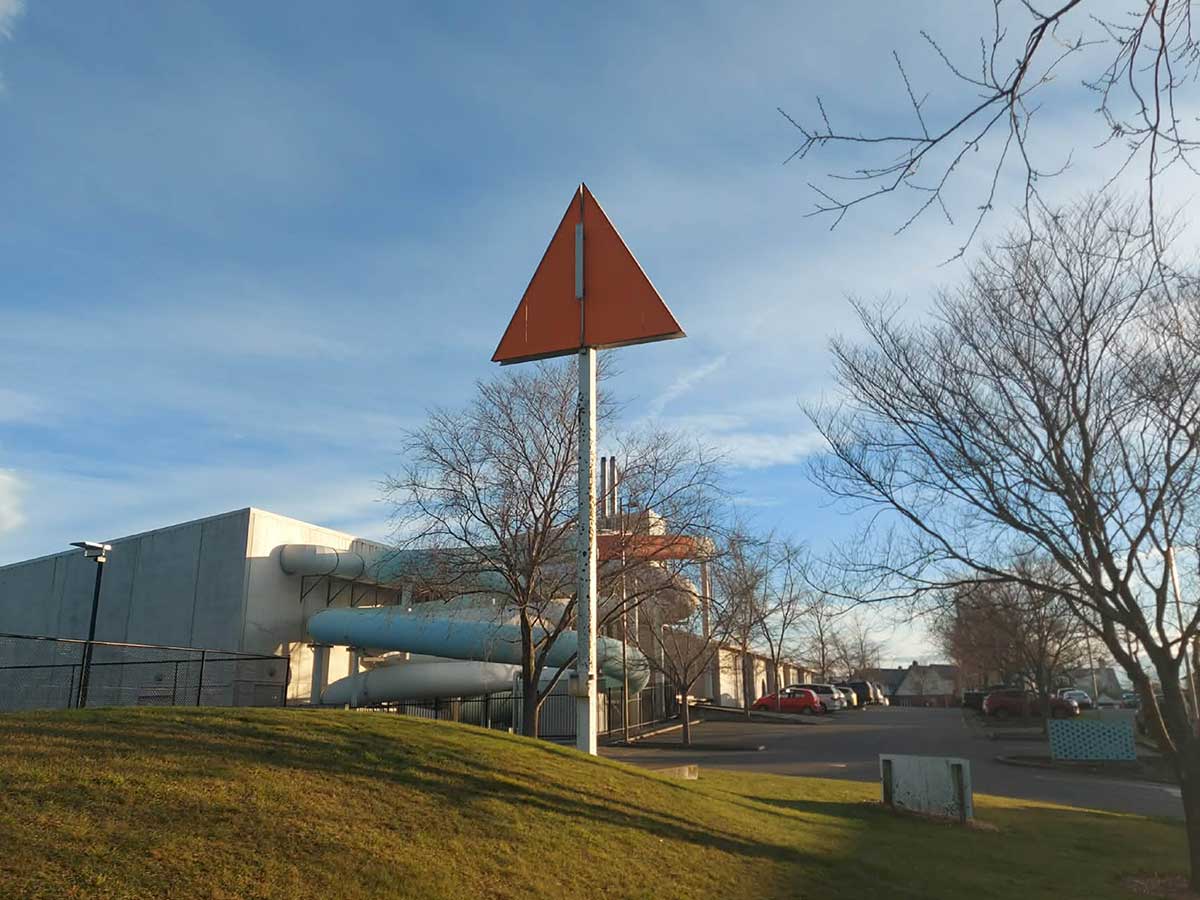
Port signal from TeWeka Street and Benvenue Ave at CBay - Photo Roselyn Fauth 260724
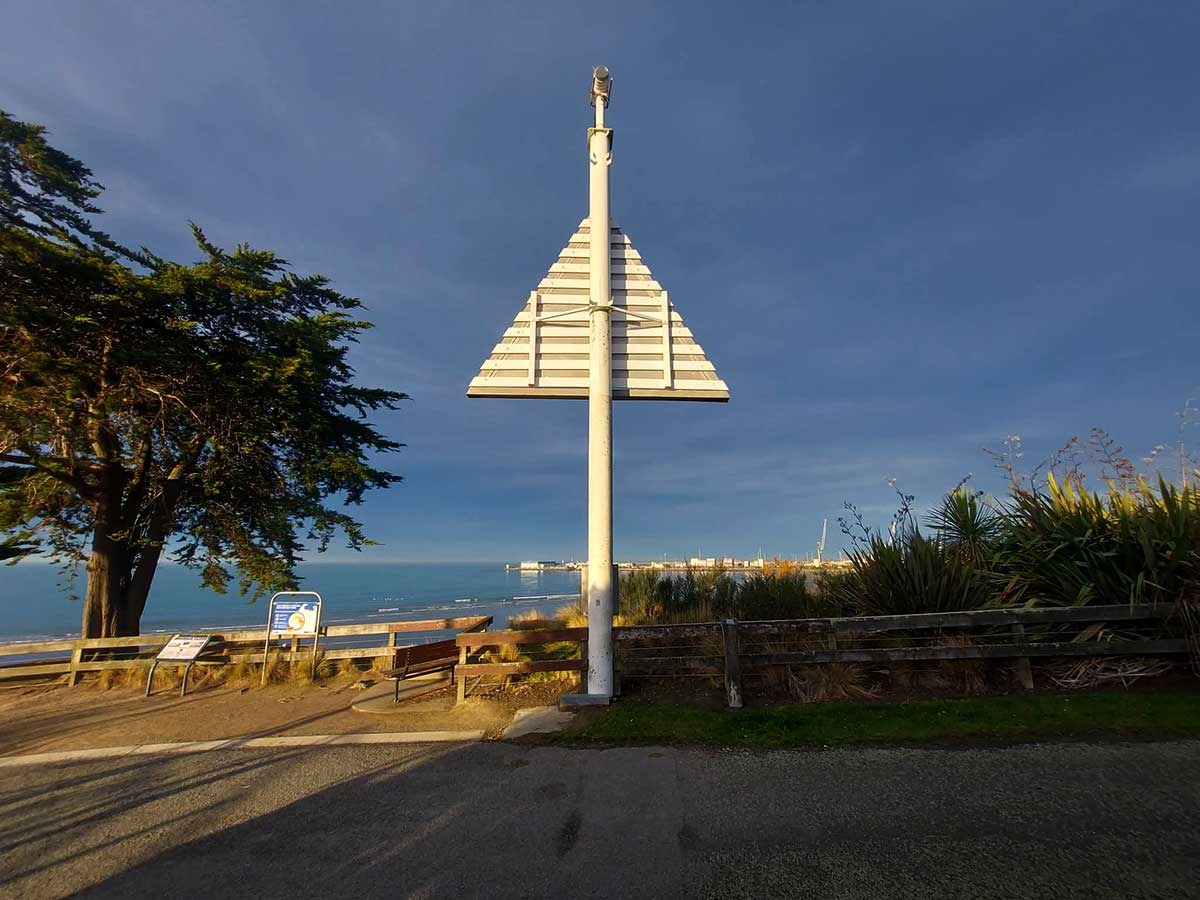
Benvenue Cliffs Port Navigation Caroline Bay - Photo Roselyn Fauth 260724
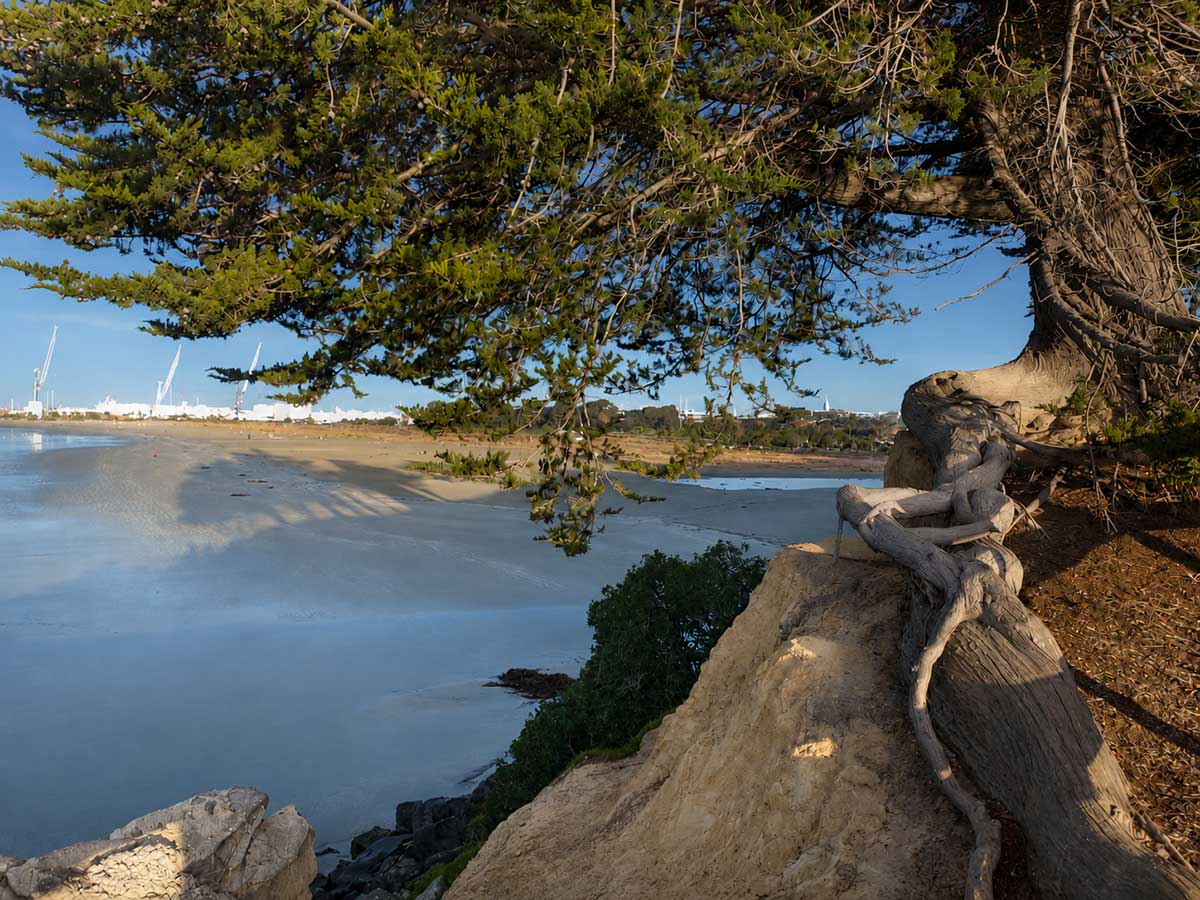
Tree roots hug the cliff and anchor down - Blackett Lighthouse Benvenue Cliffs Port Navigation Caroline Bay - Photo Roselyn Fauth 260724
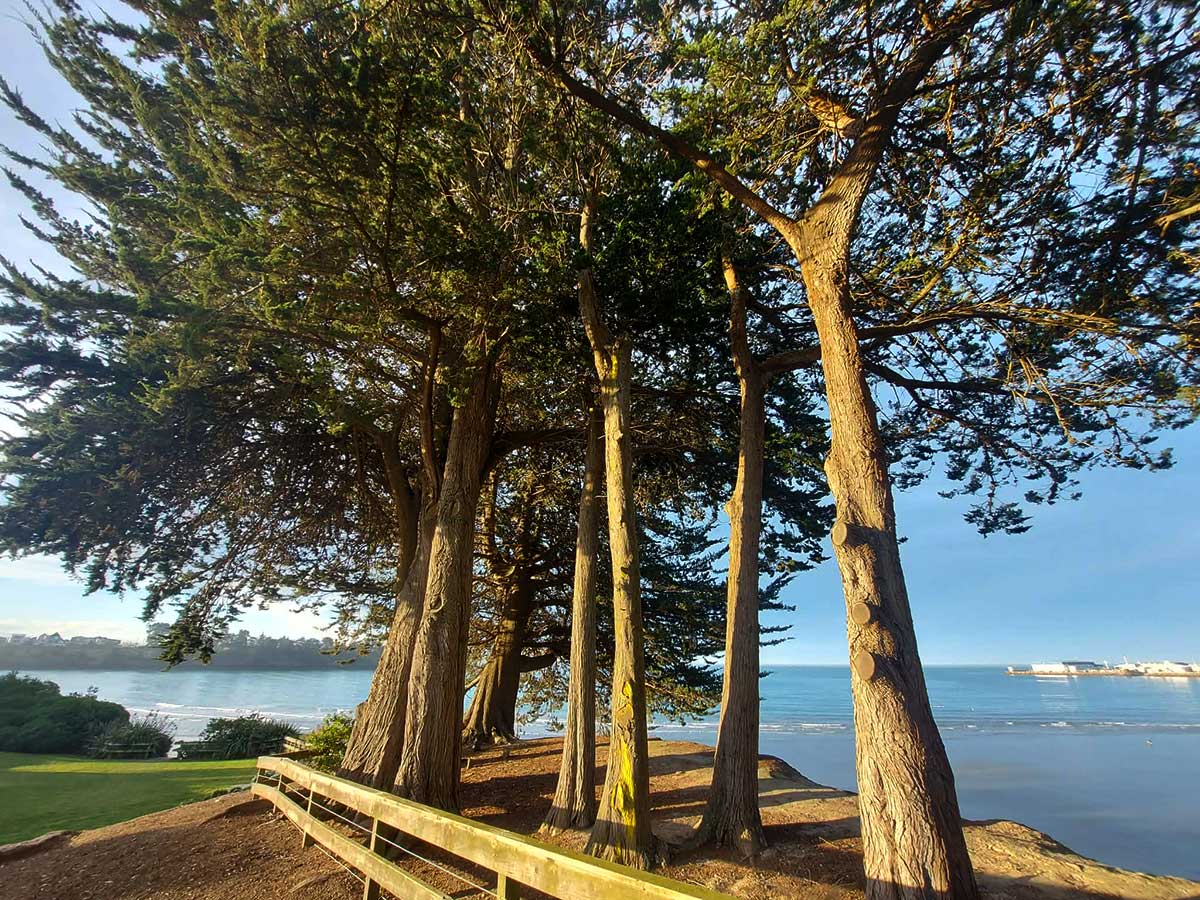
Trees at Benvenue Cliffs overlooking Dashing Rocks Caroline Bay - Photo Roselyn Fauth 260724
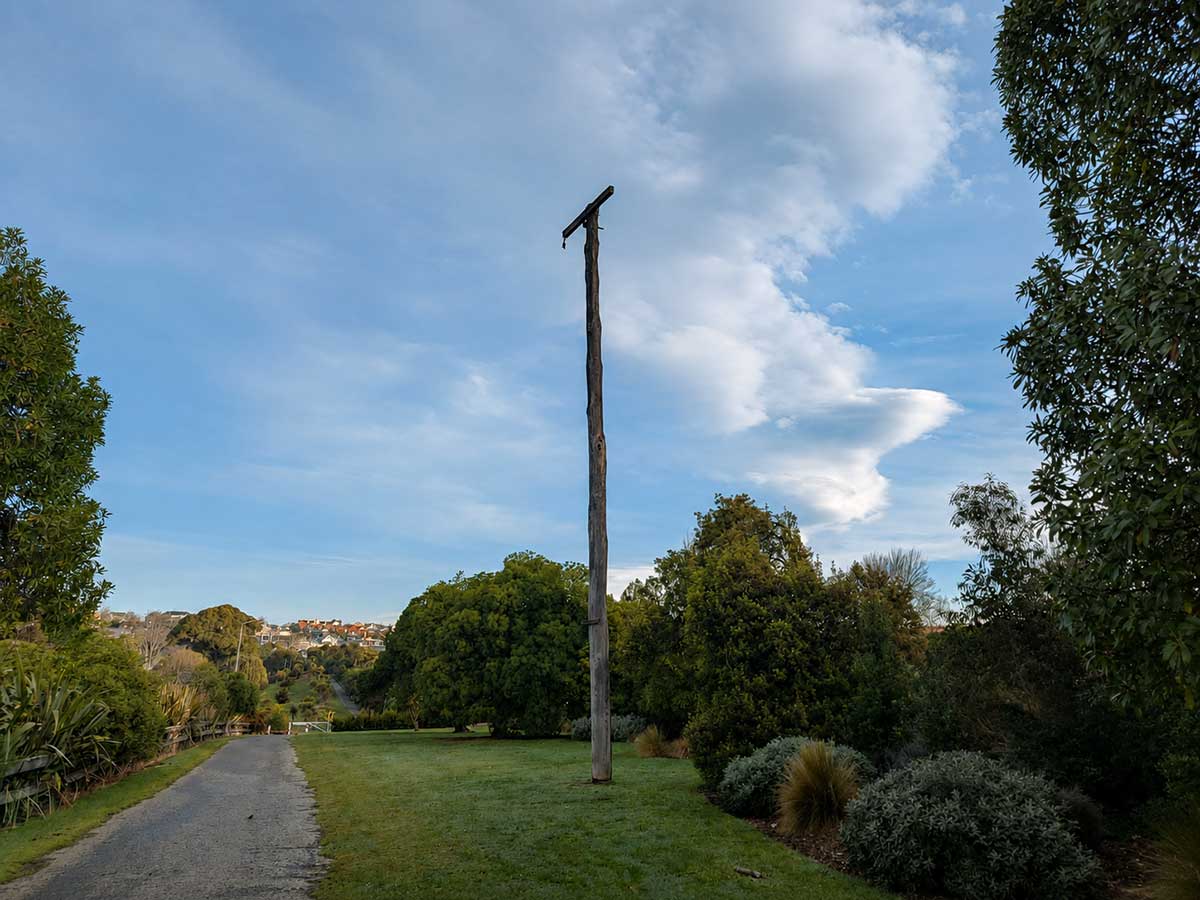
Benvenue Cliffs Port Navigation Caroline Bay - Photo Roselyn Fauth 260724
A known and navigated coast
The navigation story did not begin with European charts, pilots or lighthouses.
Long before colonial settlement, mana whenua knew, named and travelled this coast. The headlands and bays around present-day Timaru provided stopping places and shelter for waka moving along the eastern coastline of Te Waipounamu.
Heritage New Zealand records archaeological evidence of a small kāinga on the northern headland of Caroline Bay and describes four headlands and three bays, Taitarakihi, Waimataitai and Caroline Bay, as providing a haven for waka travelling along the coast.
The land on which Blackett’s Lighthouse now stands also has a significant history. It forms part of Opukuorakaitauheke Māori Reserve 884, a 20-acre reserve established near Caroline Bay following the Canterbury Purchase. Portions were subsequently taken or acquired for purposes including the railway and public recreation. The lighthouse’s present legal site remains recorded as part of Reserve 884.
This is not an empty headland on which unrelated historic objects have accumulated. It is a layered cultural landscape.
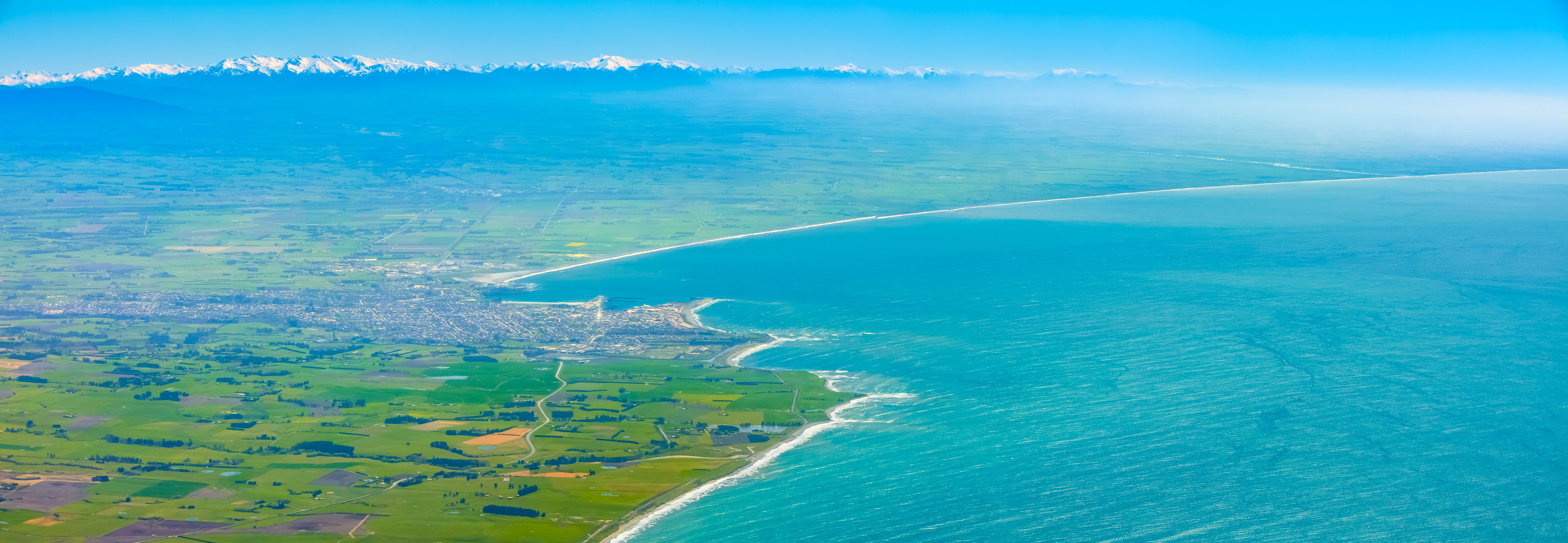
Timaru Coastline, Photography By Geoff Cloake
Reading the land from the sea
Early European mariners also learned to read the coast.
Before GPS, radar and electronic charts, sailors relied on the profile of the land. Headlands, hills, river mouths, buildings, smoke, lights and conspicuous groups of trees could help them identify their position offshore.
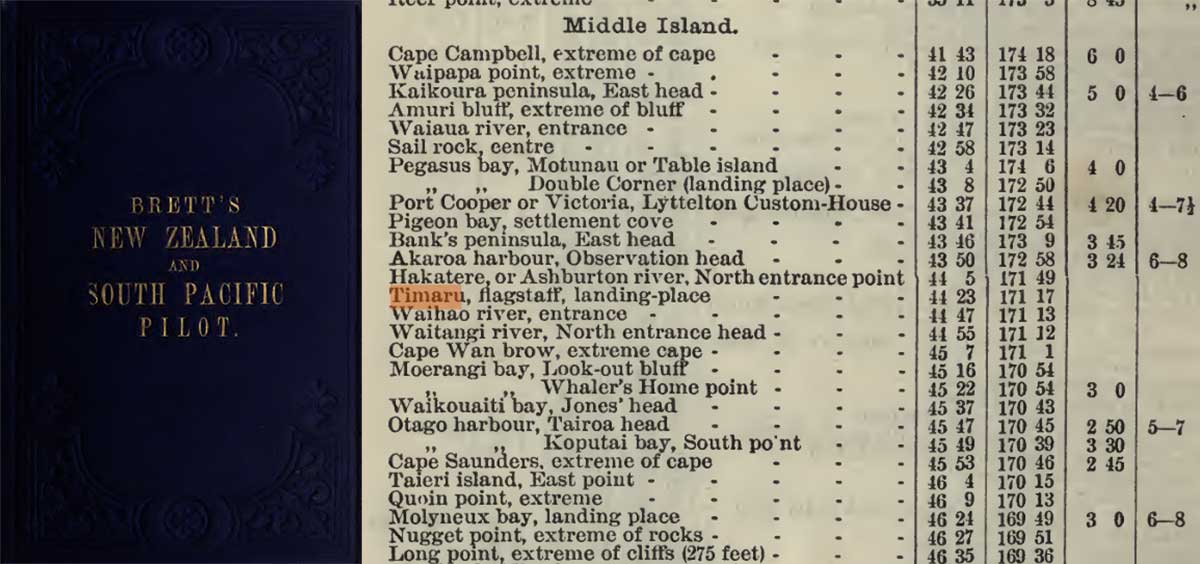
Bretts New Zealand and South Pacific pilot IA brettsnewzealand00tillrich 1 cover and timaru detail
An edition of Brett’s New Zealand and South Pacific Pilot, published around 1880, described two isolated clumps of trees north of Timaru as the first wood visible on the coast south of Banks Peninsula. We do not yet have enough evidence to identify those trees as the macrocarpa now growing at Benvenue. Indeed, the description may refer to trees nearer Dashing Rocks or elsewhere along the coast.
What the account does establish is that trees could become valuable visual markers to nineteenth-century mariners.
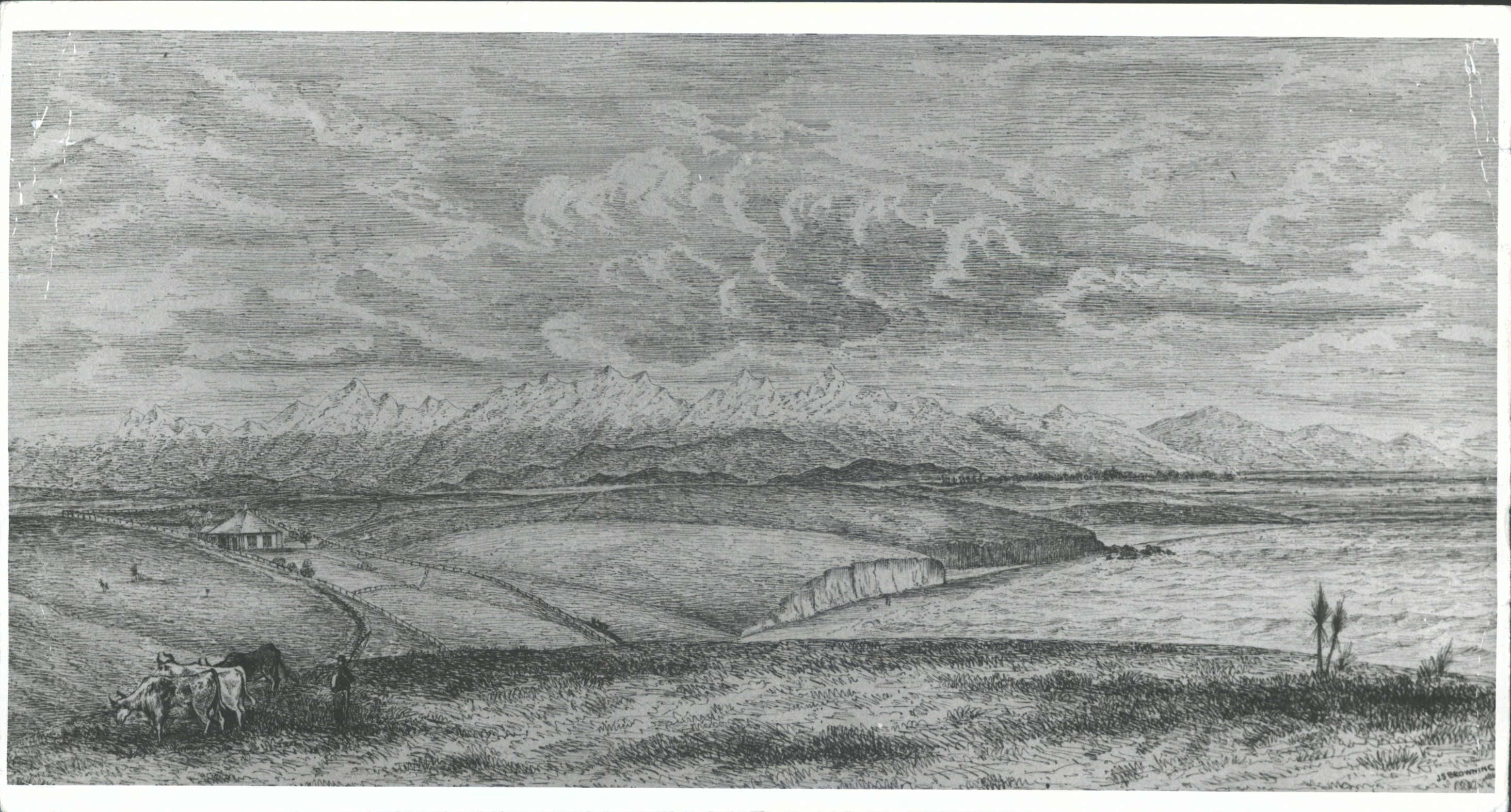
Timaru, looking north west (1860). Hocken Digital Collections, accessed 17/04/2025, https://hocken.recollect.co.nz/nodes/view/23478 Low quality image. For further information on use of low quality scans and on how to order a high quality image please see conditions of use.
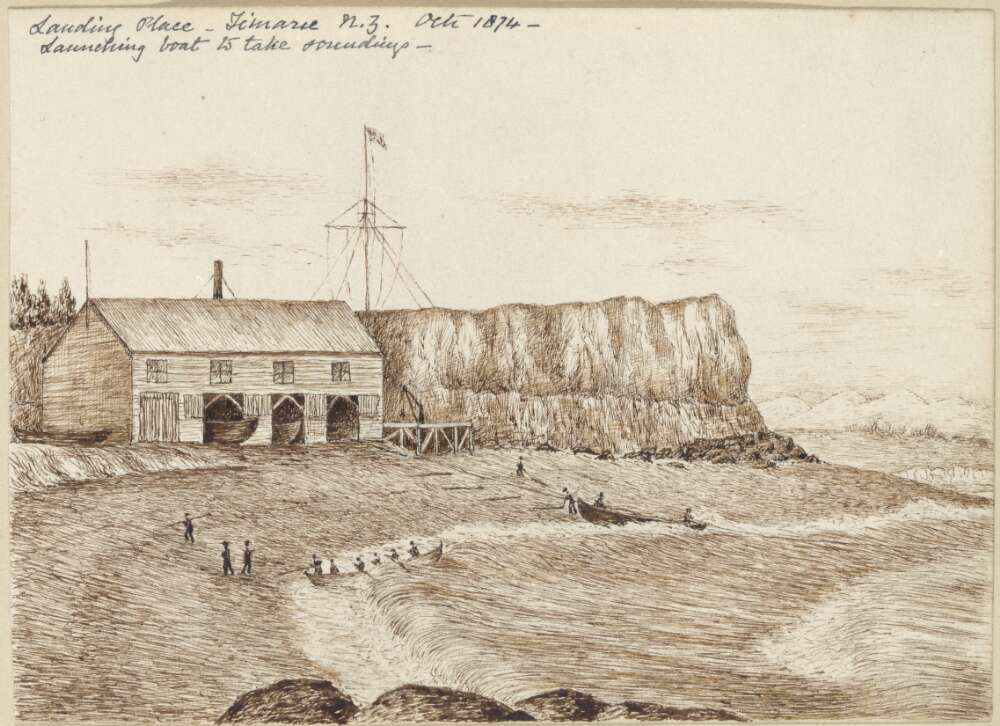
This image depicts a flag staff on the cliff from LeCrens Terrace overlooking the harbour. Timaru had signal poles from at least the 1860s. The flag informed ships where it was safe to come in close in the roadstead. Eliot, Whately. (1874). Landing place, Timaru, N.Z., October 1874 launching boat to take soundings Retrieved June 5, 2023, from Sketches in New Zealand and other places: http://nla.gov.au/nla.obj-138582675
Woollcombe’s flags and an evolving coastline
Captain Belfield Woollcombe was one of the people who helped make early Timaru more navigable. Woollcombe arrived in 1857 after serving in the Royal Navy. He undertook an early survey of Timaru Harbour and performed several important public and maritime roles, including those of Harbourmaster, Beachmaster and Pilot.
A later account of Caroline Bay records that, while surveying the harbour, Woollcombe placed flags on the southern cliff and on the headland later known as the Benvenue cliff. That is an important clue. It shows that the cliffs themselves were being used as fixed reference points from an early period.
I have read somewhere that Woollcombe was connected with the planting of macrocarpa as navigation markers. I will have to have a hunt back through my notes to remind myself where I read this.
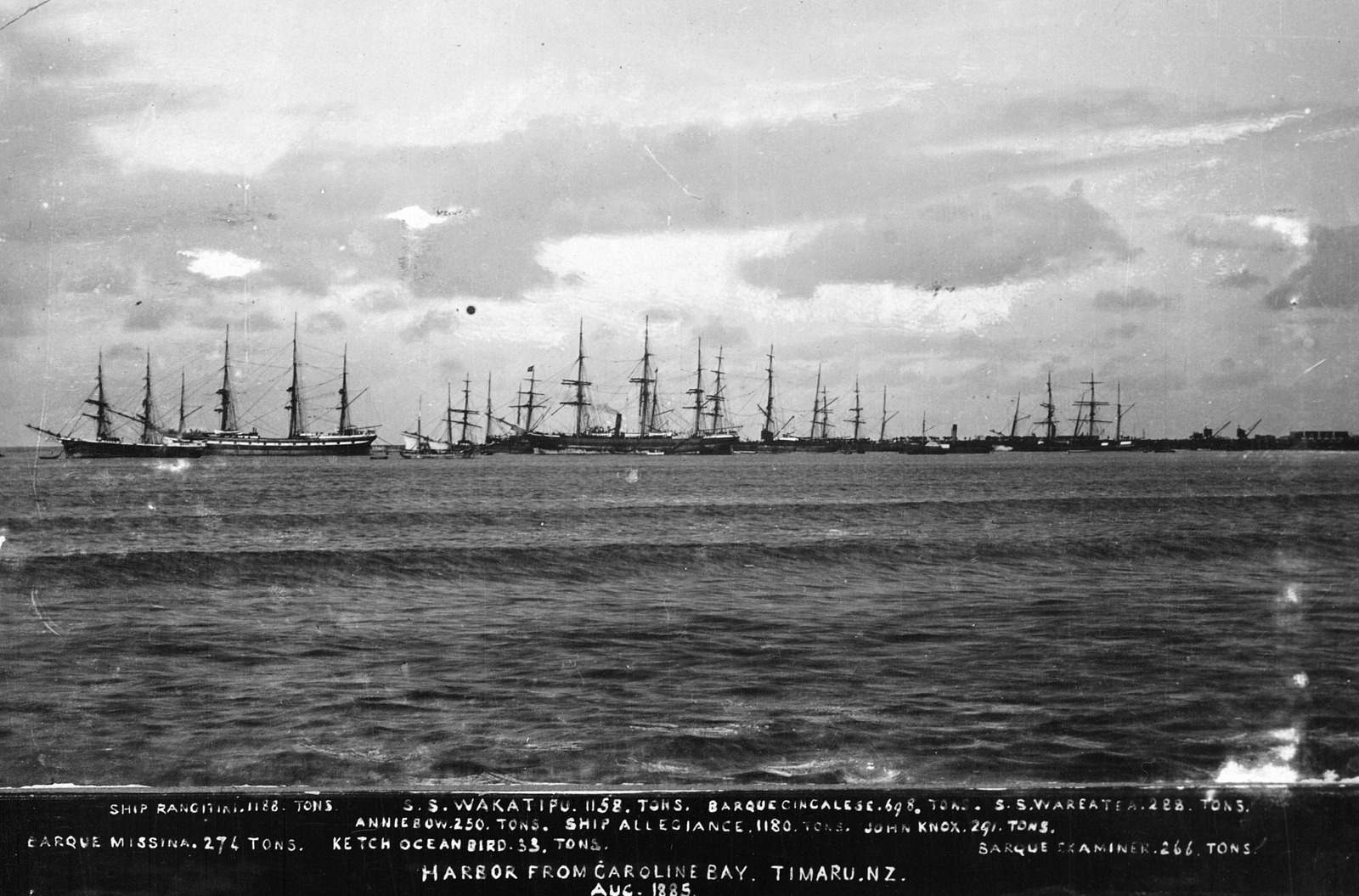
Shows a view of sailing ships across the harbour from Caroline Bay, Timaru, August 1885 : Rangitiki 1188 Tons; Wakatipu 1158 Tons; Barque Cingalese 698 Tons; Wareatea 288 Tons; Annie Bow ? 250 Tons; Allegiance 1180 Tons; John Knox 291 Tons; Barque Missina 276 Tons; Ketch Ocean Bird 33 Tons; Barque ??aminer 266 Tons. Cite as: Brodie Collection, La Trobe Picture Collection, State Library of Victoria.. 1885 H99.220/396 Record ID 9917361153607636This work is out of copyright http://handle.slv.vic.gov.au/10381/14570
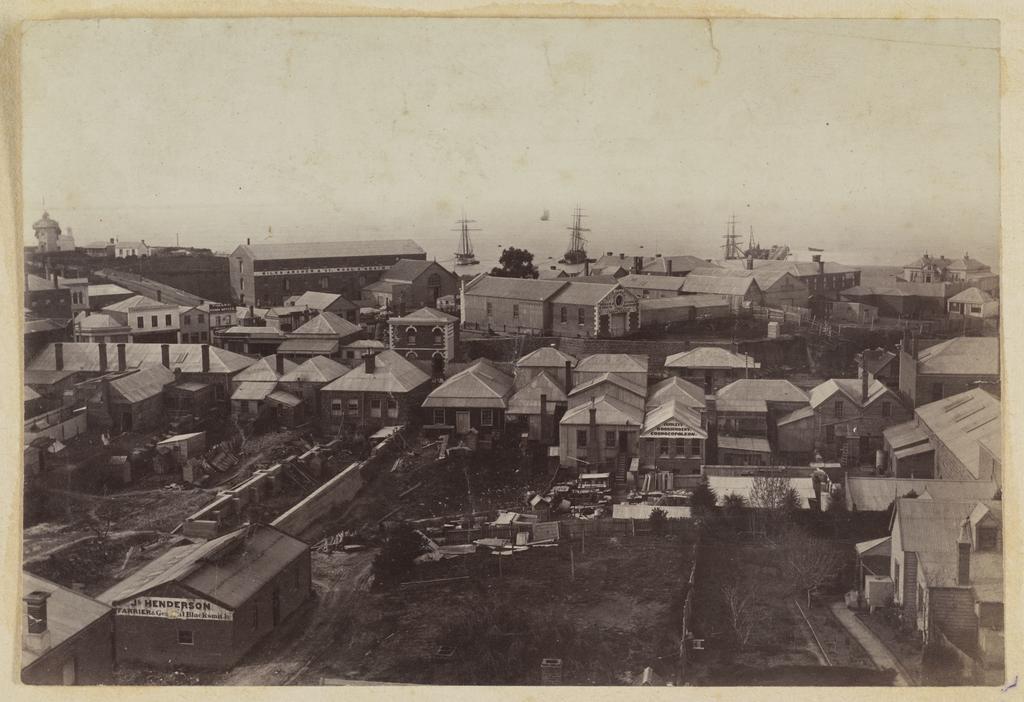
Unknown, Timaru (c.1880s). Hocken Digital Collections, accessed 23/07/2026, https://hocken.recollect.co.nz/nodes/view/58448
Looking at photos and putting them into order of time is helpful to work out how old the trees could be.
Photographs taken after the wreck of the Benvenue in May 1882 appear to show the Benvenue cliffs largely bare. Trees can be seen farther around the coast towards Dashing Rocks, but the mature stand now surrounding the lighthouse is not visible. Provided the photographs are correctly dated and the headland has been accurately identified, they offer strong visual evidence that the present Benvenue macrocarpa were planted after 1882.
We do not yet know precisely who planted them, when they were planted or whether their original purpose was navigation, shelter, cliff stabilisation, beautification or a combination of these.
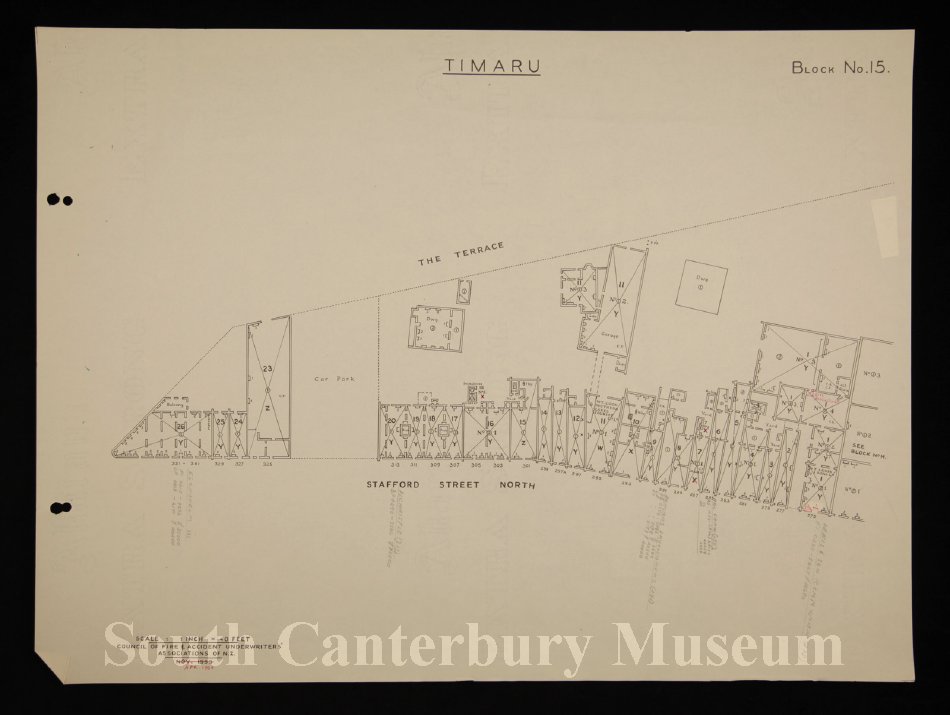
The Terrace - South British Insurance Company : Block Plans by the Council of Fire and Accident Underwriters Associations of New Zealand. dated between 1964 and 1966. South Canterbury Museum 2002/005.06a
https://timdc.pastperfectonline.com/archive/4F12AB13-3F56-4BAE-9E14-145025062100
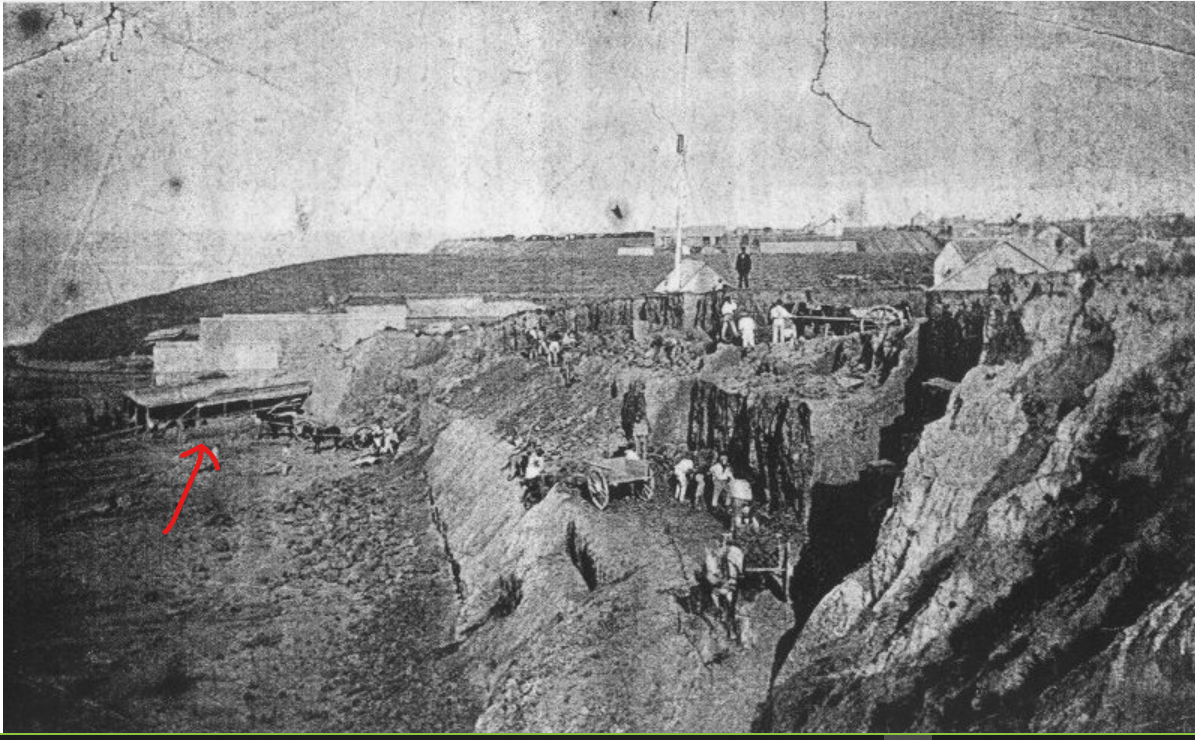
The above photo of the foot of Strathallan Street, possibly shows the first lifeboat shed - Alexander Turnbull Library
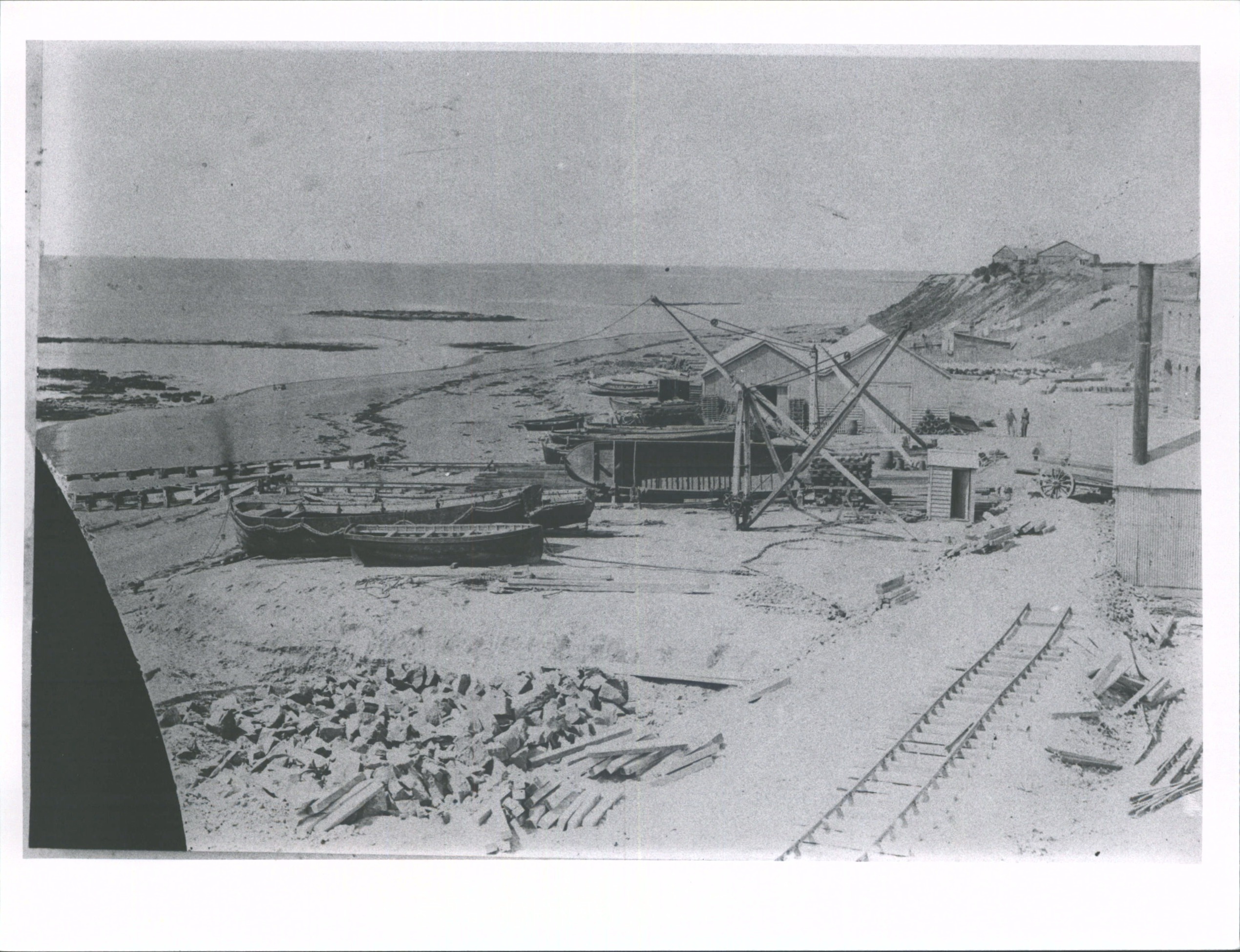
Before the first breakwater was built, Ships anchored in the harbour and small boats were used to transport goods between the ships and the shore. George Street Landing Service (c. 1870). Hocken Digital Collections, accessed 17/04/2025, https://hocken.recollect.co.nz/nodes/view/23555 Low quality image. For further information on use of low quality scans and on how to order a high quality image please see conditions of use.
The people who worked the open beach
Woollcombe was one of several important characters in Timaru’s early maritime story. In 1857 Henry Le Cren sent Captain Henry Cain to Timaru to improve the difficult arrangements for bringing cargo ashore through the surf and rocks. Cain helped establish an effective organised landing service, enabling the settlement and its hinterland to grow.
Strong Work Morrison, born in 1832, was an experienced surf-boatman from Deal, England. Contemporary records place him at Timaru as a pilot by 1863, and a recollection of the arrival of the Strathallan identifies him as the steer-oarsman of one of the boats bringing passengers ashore.
Cain and Morrison both lived at times on or near Le Cren’s Terrace. They saw Timaru change from a precarious beachhead, where people and goods were carried through breaking surf, into a growing port town. The old Landing Service building at the foot of George Street remains one of the few tangible structures through which we can understand that dangerous work.
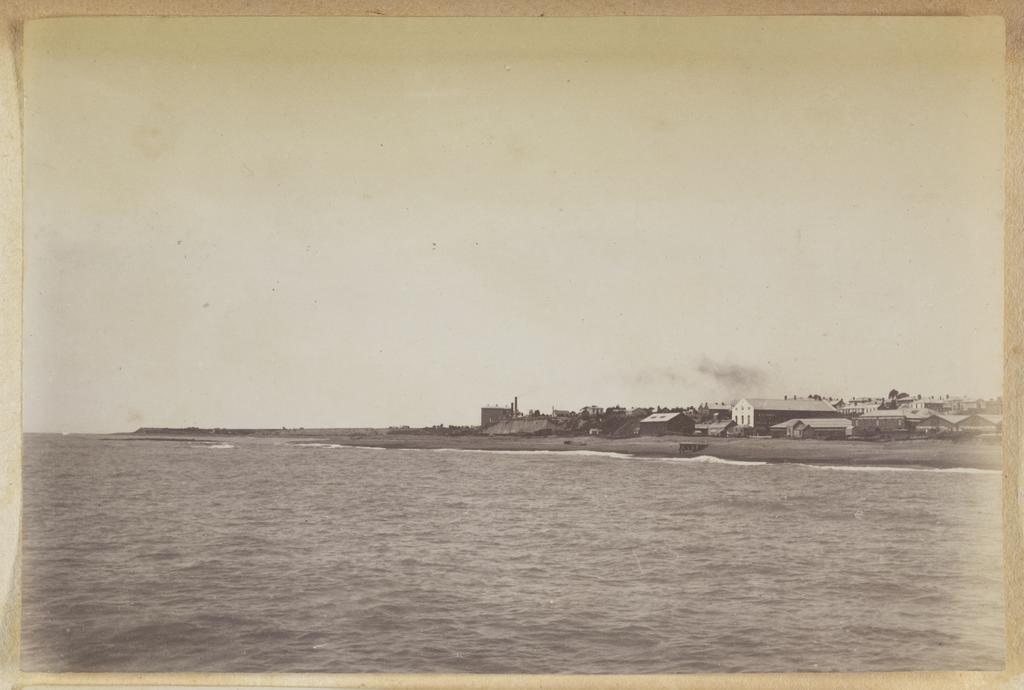
Unknown, Timaru coast (c.1880s). Hocken Digital Collections, accessed 23/07/2026, https://hocken.recollect.co.nz/nodes/view/58443
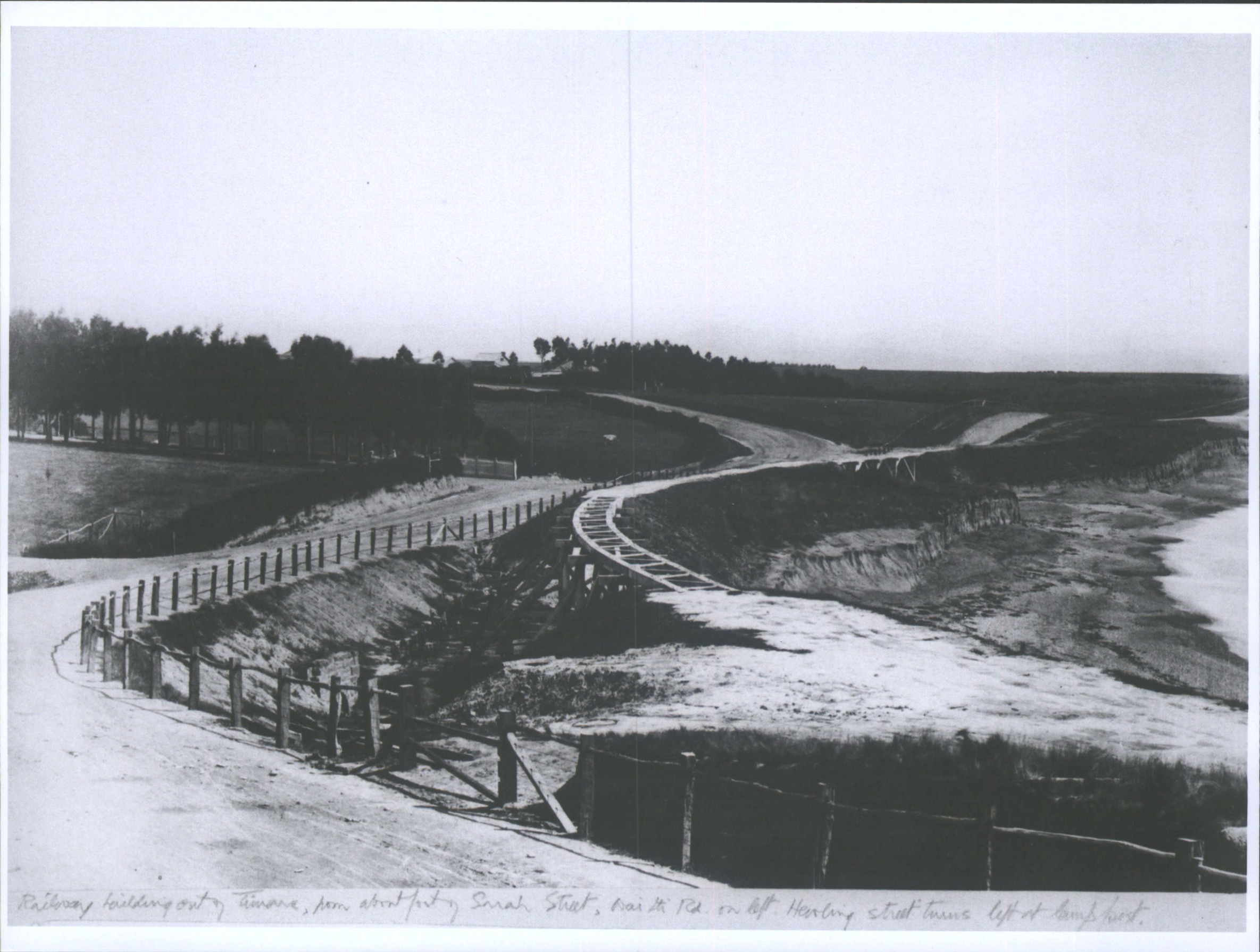
Copied from Album in private Hands.Timaru. Hocken Digital Collections, https://hocken.recollect.co.nz/nodes/view/26238

Caroline Bay in 1890. Crowd on the beach at Caroline Bay, Timaru, circa 1890. Bathing machines are by the surf. Perhaps this is the stream at the left. Photograph taken by William Ferrier. - National Library. Tiaki Reference Number: PAColl-4746-02
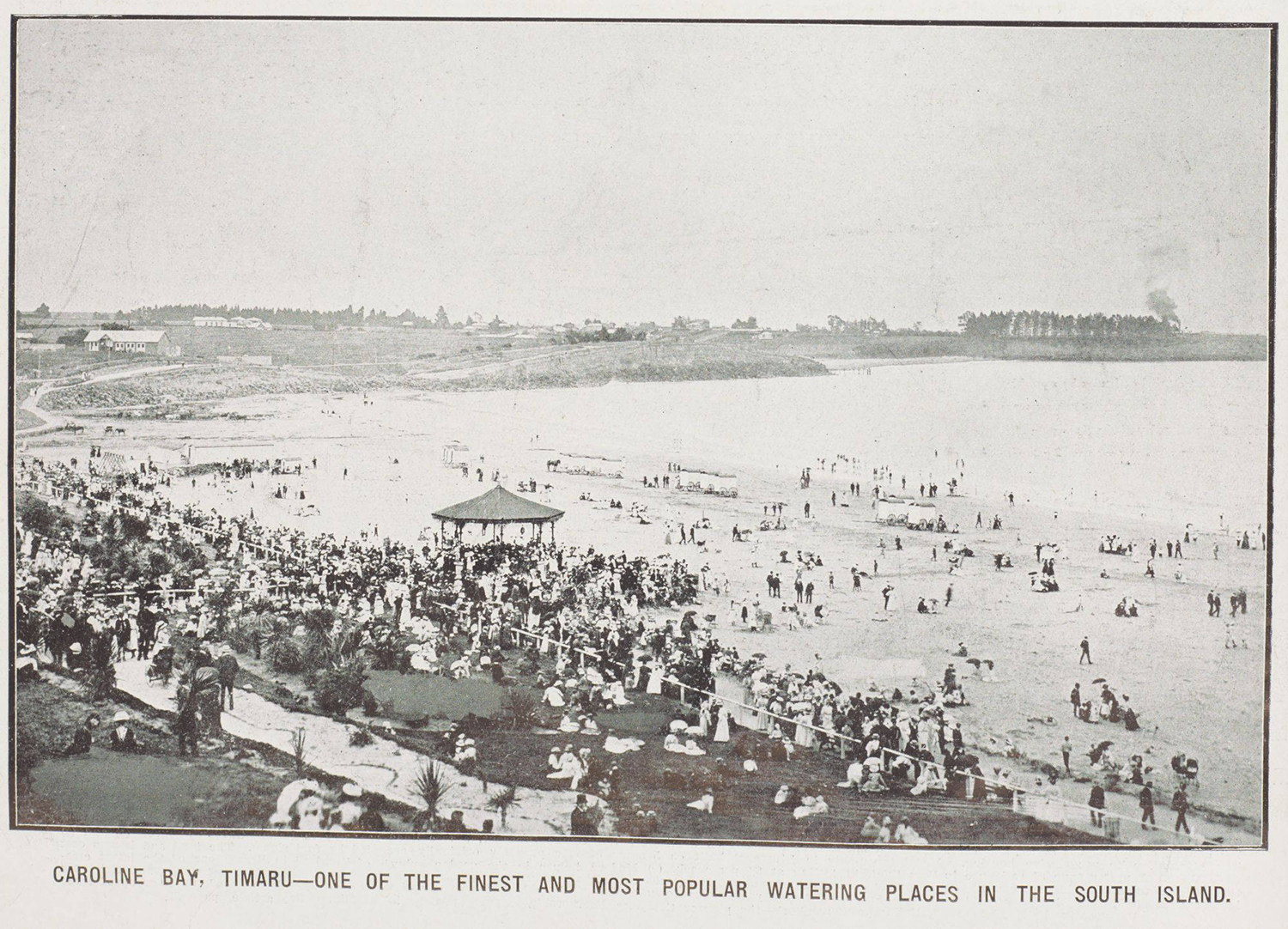
1912-01-03 - Caroline Bay Timaru - one of the finest and most popular watering places in the South Island. The New Zealand Graphic and Ladies Journal, 3 January 1912, p.32. Auckland Libraries Heritage Collections NZG-19120103-0032-02. https://kura.aucklandlibraries.govt.nz/digital/collection/photos/id/148072/rec/222 View on Papers Past: https://paperspast.natlib.govt.nz/periodicals/new-zealand-graphic/1912/01/03
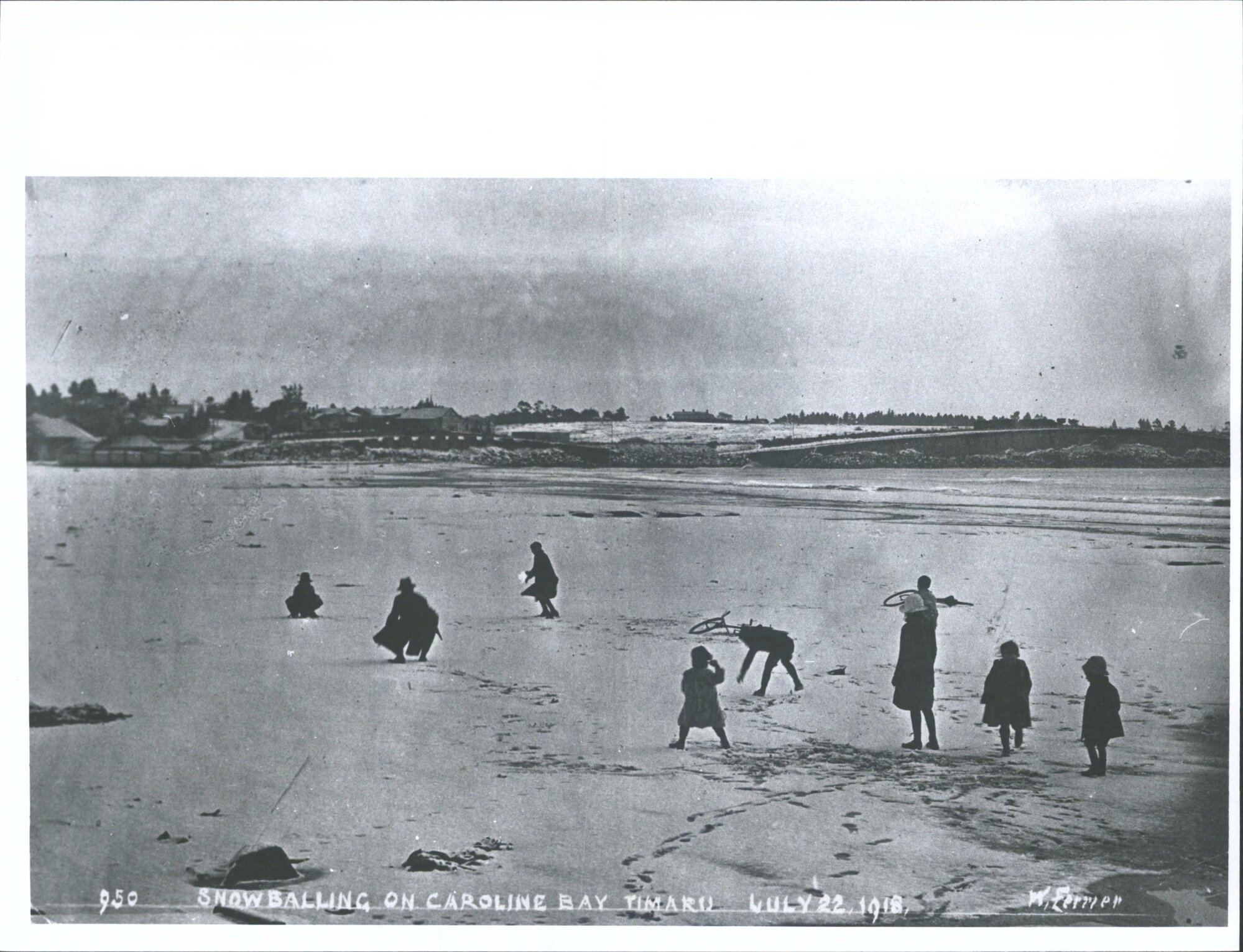
1918 Snowballing on Caroline Bay, Timaru (22nd July 1918). Hocken Digital Collections, accessed 23/04/2025, https://hocken.recollect.co.nz/nodes/view/23915
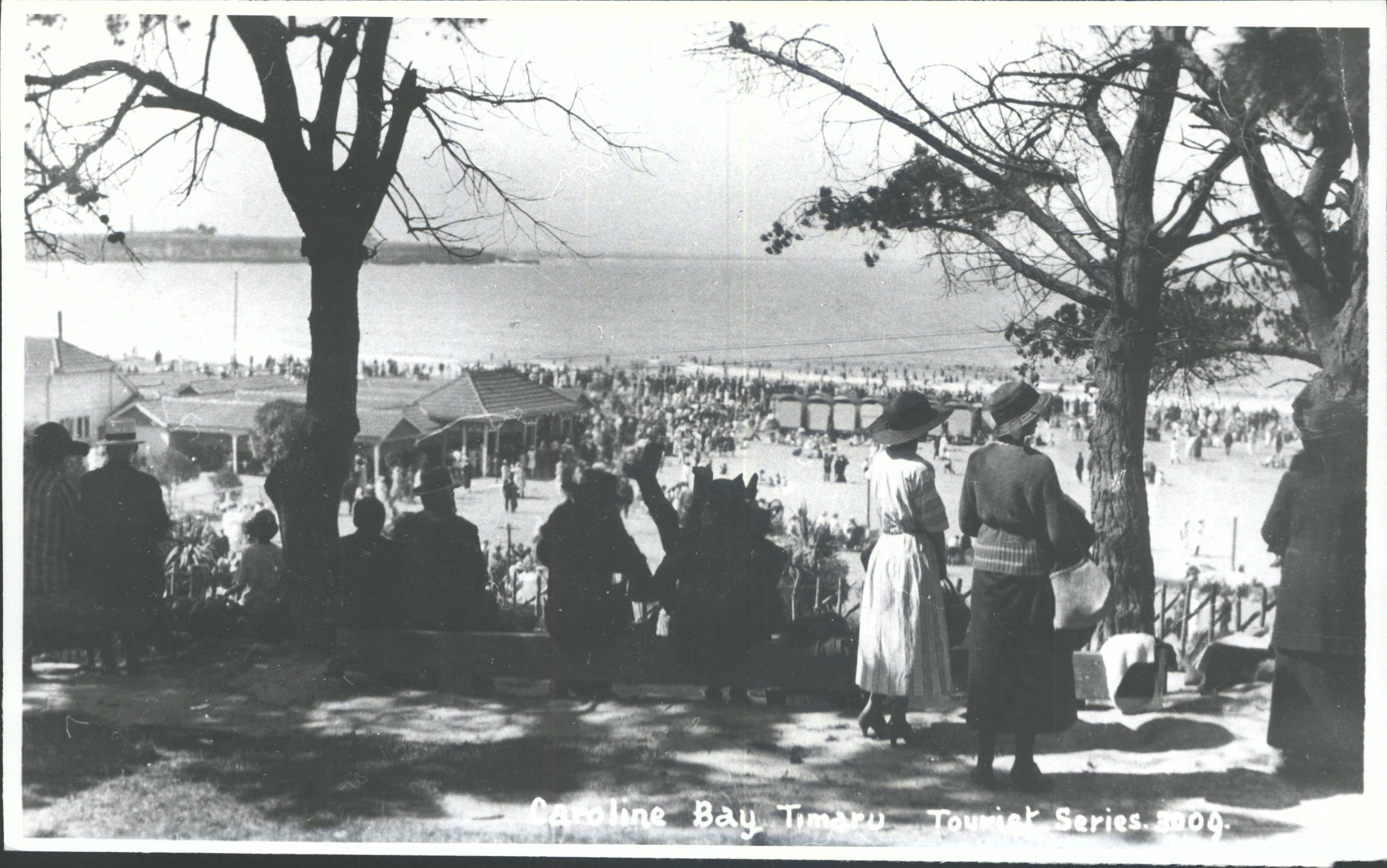
Caroline Bay, Timaru. Hocken Digital Collections https://hocken.recollect.co.nz/nodes/view/24014 Conditions of Use and Copying. Low quality image. For further information on use of low quality scans and on how to order a high quality image please see conditions of use.
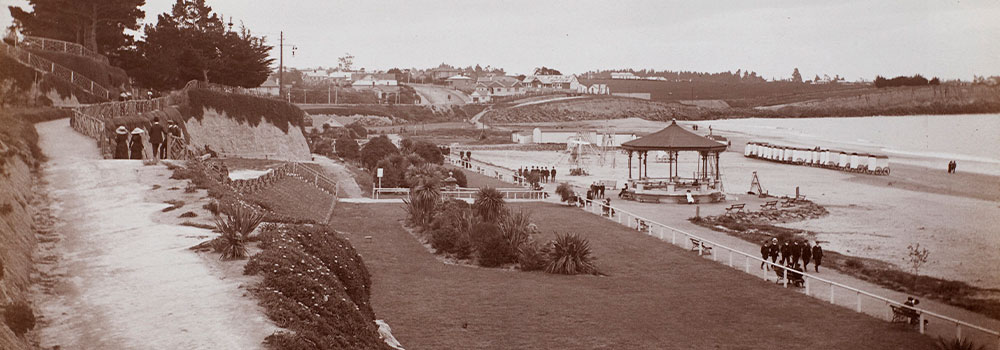
Beach at Timaru, Timaru, by Burton Brothers studio. Te Papa (O.019251)
Before Blackett’s Lighthouse
Blackett’s Lighthouse was not Timaru’s first attempt to guide ships.
Local histories record an early improvised beacon involving a burning tar barrel when a vessel was expected. More permanent cliff-top lights followed in the 1860s, accompanied by a signal mast and lookout over the roadstead.
Pātītī Point was considered as a site for a proper lighthouse. Timaru wanted a substantial masonry structure, but the Government was willing to provide timber. The point’s use as a military or ammunition reserve also raised an obvious concern: a timber lighthouse containing a kerosene lamp was not an ideal neighbour for stored gunpowder.
A new lighthouse was instead constructed on Le Cren’s Terrace.
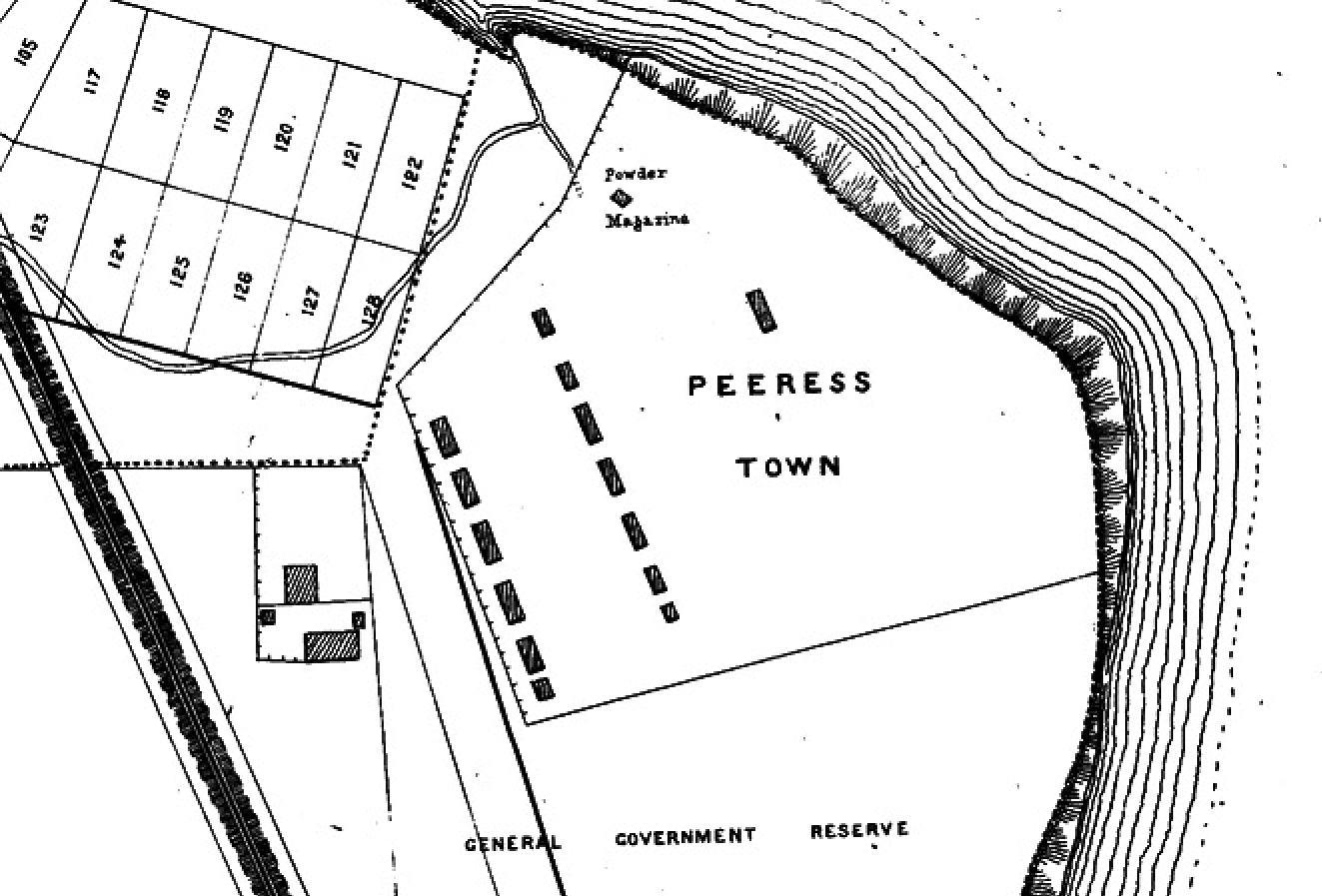
Section of a map showing detail of Peeress Town at Patiti Point 1875. Map Plan of Timaru Townships Canterbury Courtesy of the Timaru District Council
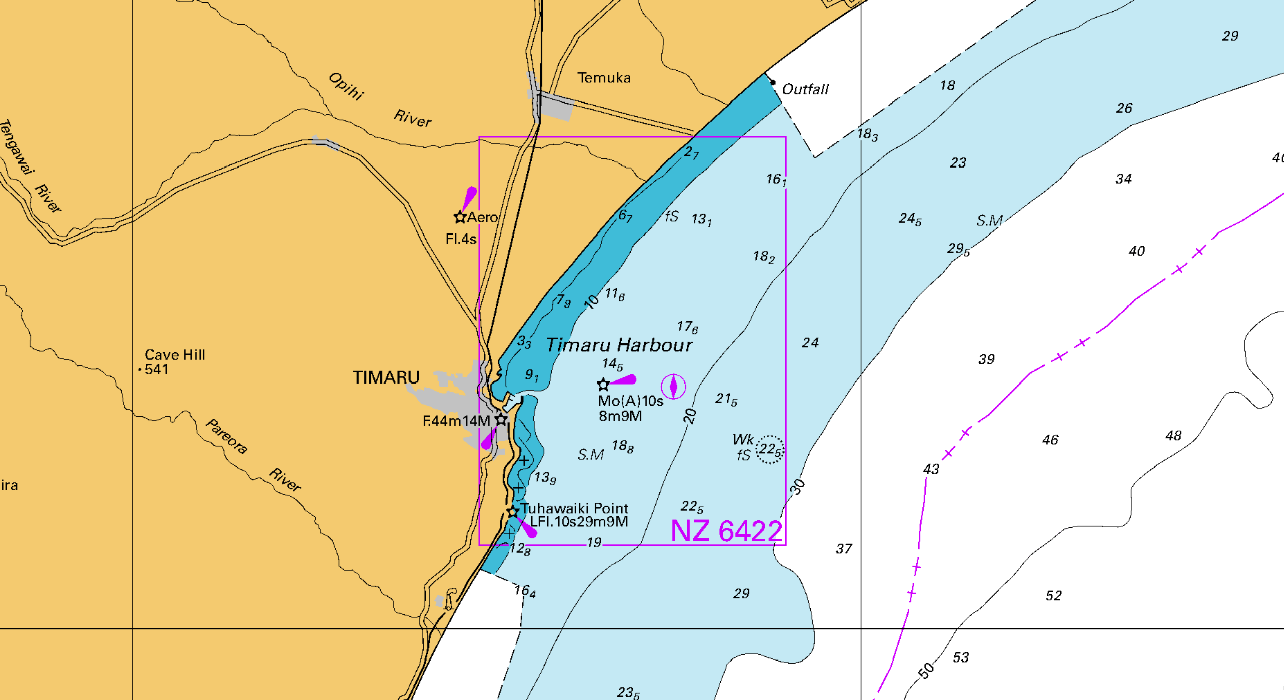
screenshot Canterbury Maps coastal navigation timaru district https://mapviewer.canterburymaps.govt.nz/?webmap=3de9561075aa4474bad844c4b5d5344d
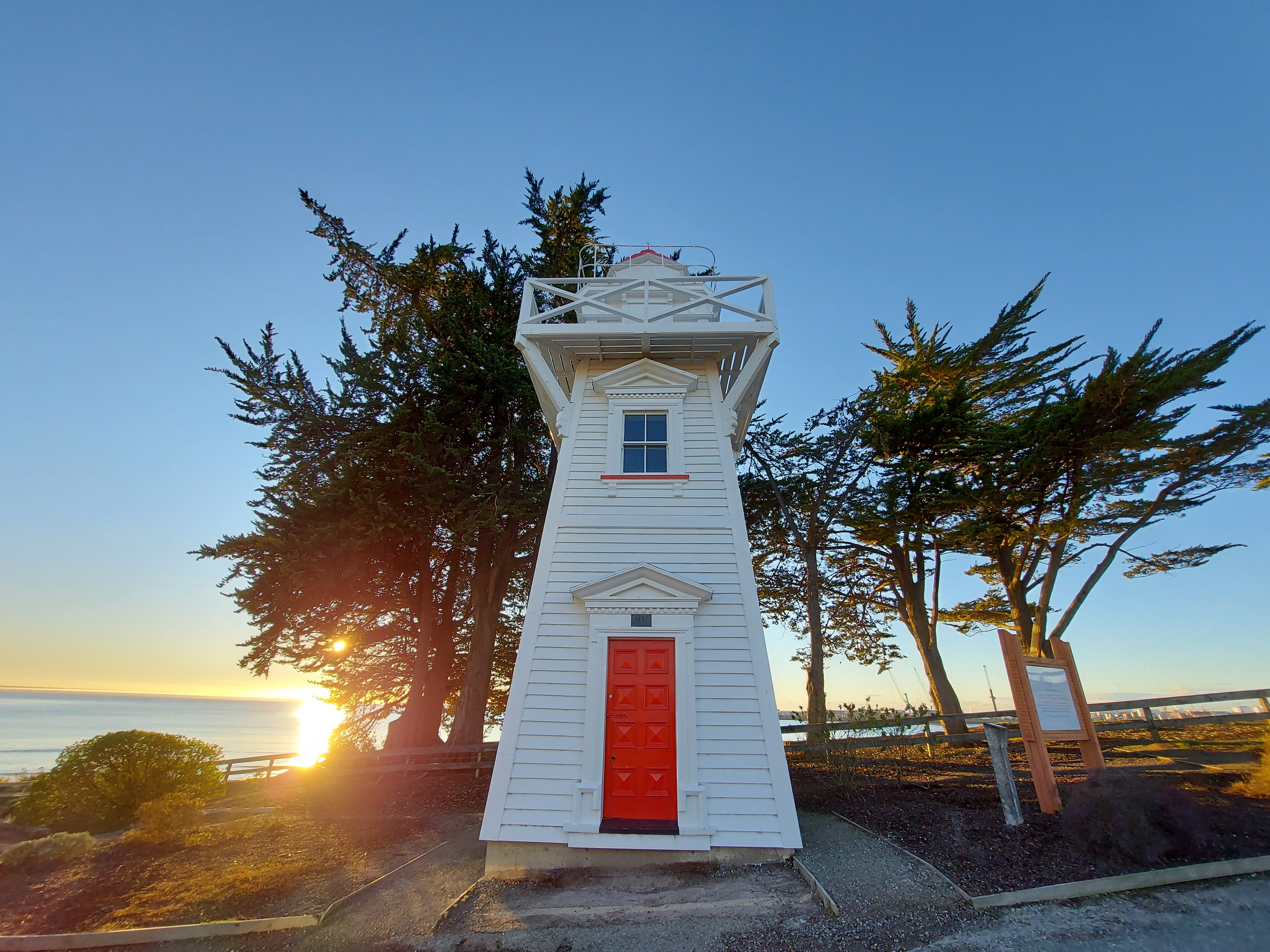
Blackett’s light
The lighthouse was designed in 1876 by prominent Marine Engineer John Blackett. Construction was deferred until 1877–78 and was delayed beyond the original contract period.
The official Marine Department report described a 30-foot tower carrying a fixed white light of the fifth order, elevated approximately 85 feet above the sea. It was expected to be visible in clear weather from more than 14 miles away. The light was first exhibited on 1 July 1878 and was maintained by the Timaru Harbour Board.
Clad in narrow kauri weatherboards, the lighthouse was practical but unusually decorative. It included pedimented windows, an encircling balcony, cross-braced timber detailing and an octagonal copper-clad lantern.
The first keeper is recorded as Captain Meredith. The original lens is now cared for by the South Canterbury Museum.
The light changed with technology. Heritage New Zealand records that kerosene was replaced by gas in 1890, electric light in 1920 and a flashing light in 1948. It continued to guide vessels entering Timaru until March 1970, when new port lights were installed above Dashing Rocks.
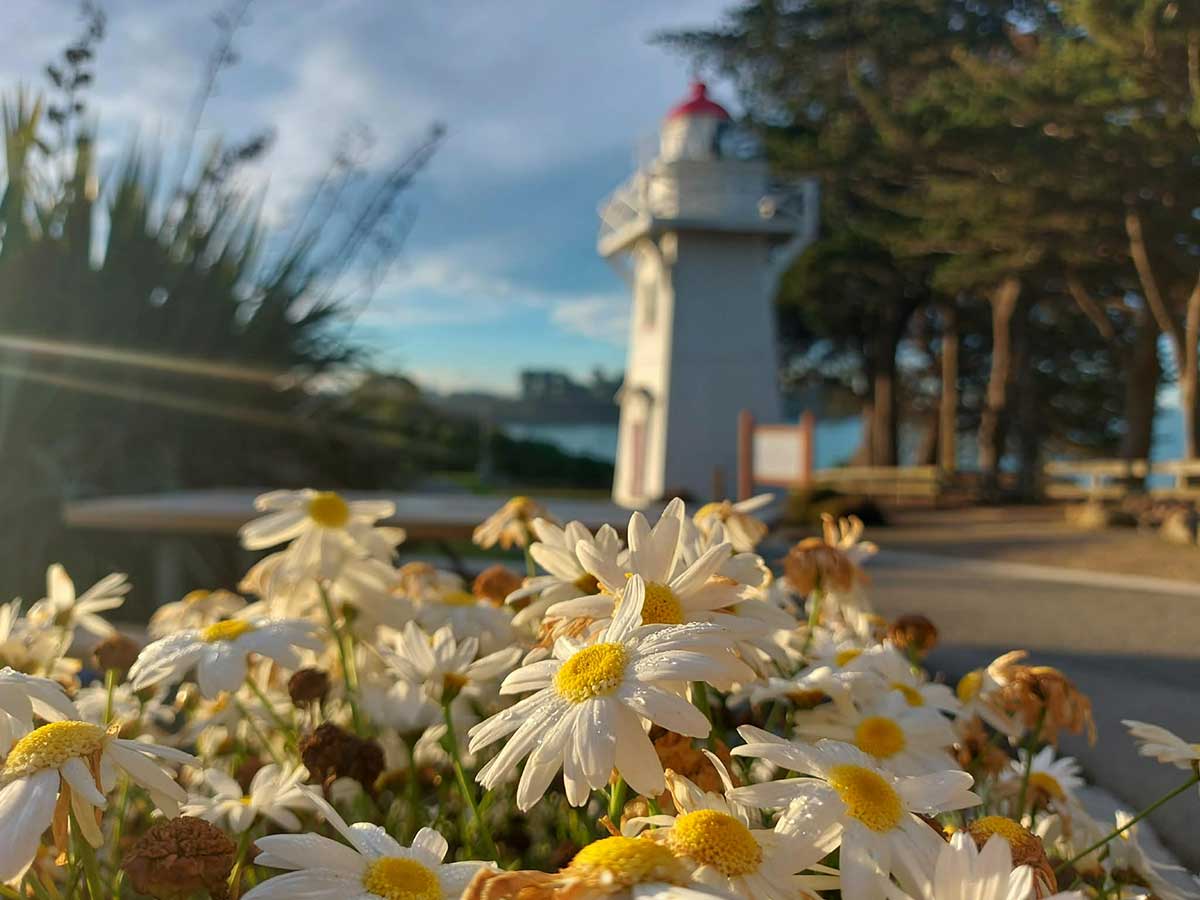
Blackett Lighthouse Benvenue Cliffs Caroline Bay Photo Roselyn Fauth 260724
Black Sunday and the naming of the cliffs
The name Benvenue cliffs connects the present lighthouse setting to one of the darkest days in Timaru’s maritime history.
On Sunday 14 May 1882, heavy seas drove the ships Benvenue and City of Perth onto the rocks at the northern end of Caroline Bay. The disaster and rescue attempts became known as Black Sunday.
Captain Alexander Mills had served as Timaru’s Harbourmaster from 1867 until 1882. He was also captain of the Timaru Volunteer Rocket Brigade and had lived through many of the shipwrecks that marked Timaru’s years as an exposed roadstead.
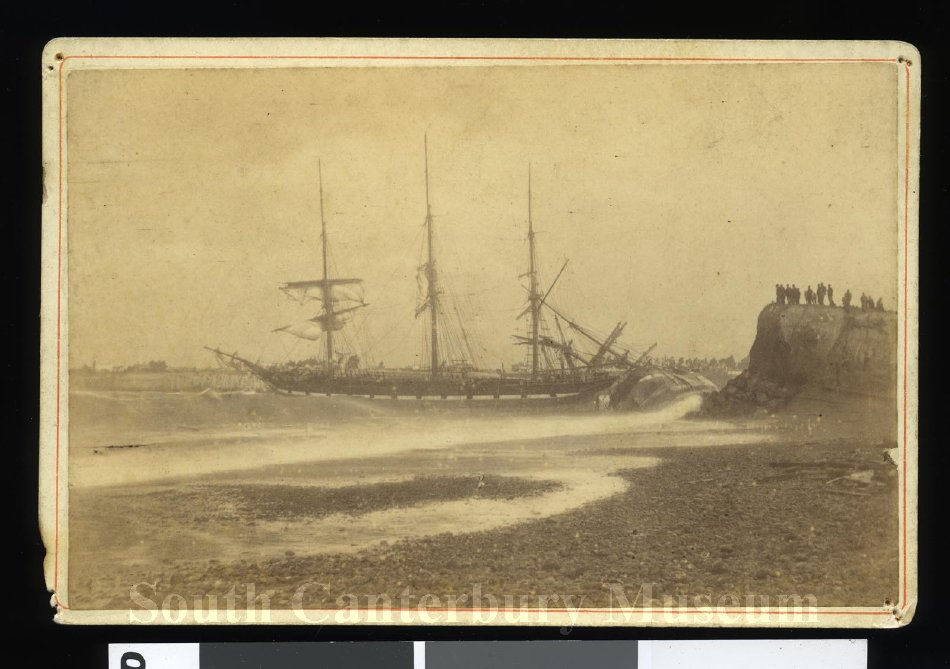
The wrecks of the Benvenue and City of Perth, photographed by William Ferrier on 15 May 1882. The image provides valuable evidence of the appearance of Timaru’s coastal landscape shortly after the Black Sunday shipwrecks. Courtesy of South Canterbury Museum, catalogue no. 0867. https://kura.aucklandlibraries.govt.nz/digital/collection/photos/id/310203
Mills took part in the attempts to respond to the vessels in distress. Although he reached shore alive, he was badly exhausted after prolonged exposure and immersion.
At the inquest, Dr Macintyre testified that Mills died from shock to the nervous system caused by immersion. The jury found that he died from shock caused by immersion and exposure while carrying out his duty.
Contemporary reporting described Mills as having remained at his post through approximately 30 hours of anxiety and exertion.
Mills was one of the nine men whose lives were lost in connection with the disaster.
The waters visible below the lighthouse therefore carry more than a scenic view. They connect the structure to courage, loss, the dangers of the roadstead and the long effort to make Timaru’s harbour safer.
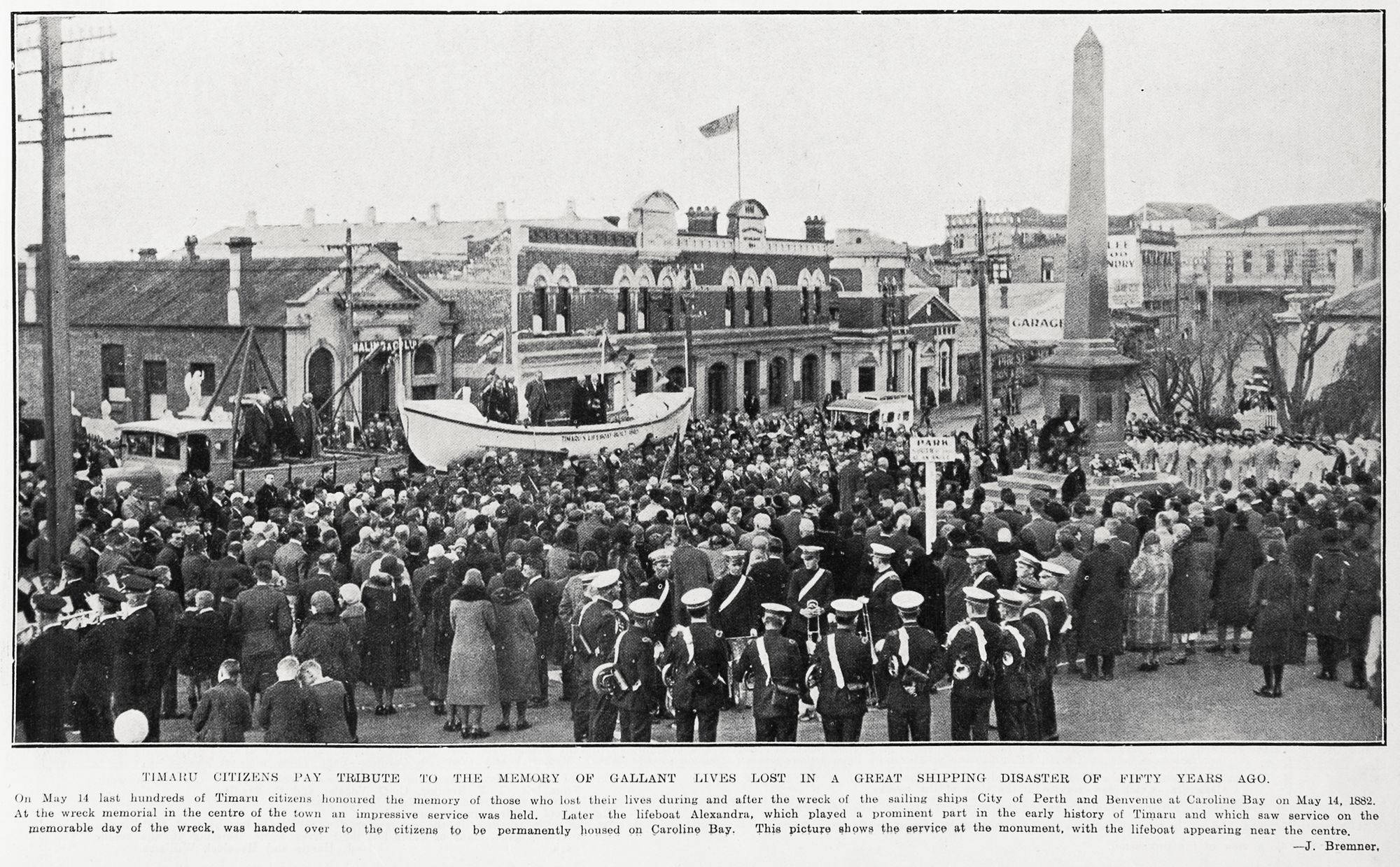
Hundreds of Timaru residents gather at the shipwreck memorial in Caroline Bay to mark the fiftieth anniversary of the 1882 Benvenue and City of Perth disaster. A lifeboat is visible near the centre of the crowd, recalling the rescue efforts and the lives lost during and after the wrecks. The commemorative service was photographed for publication in May 1932.
J. Bremner and the Auckland Weekly News, Timaru Citizens Pay Tribute to the Memory of Gallant Lives Lost in a Great Shipping Disaster of Fifty Years Ago, published 25 May 1932, black-and-white newspaper photograph. Auckland Libraries Heritage Collections, record AWNS-19320525-33-04. Copyright: No known copyright restrictions. Note: The recorded date is the publication date and may not be the exact date of the commemorative service.
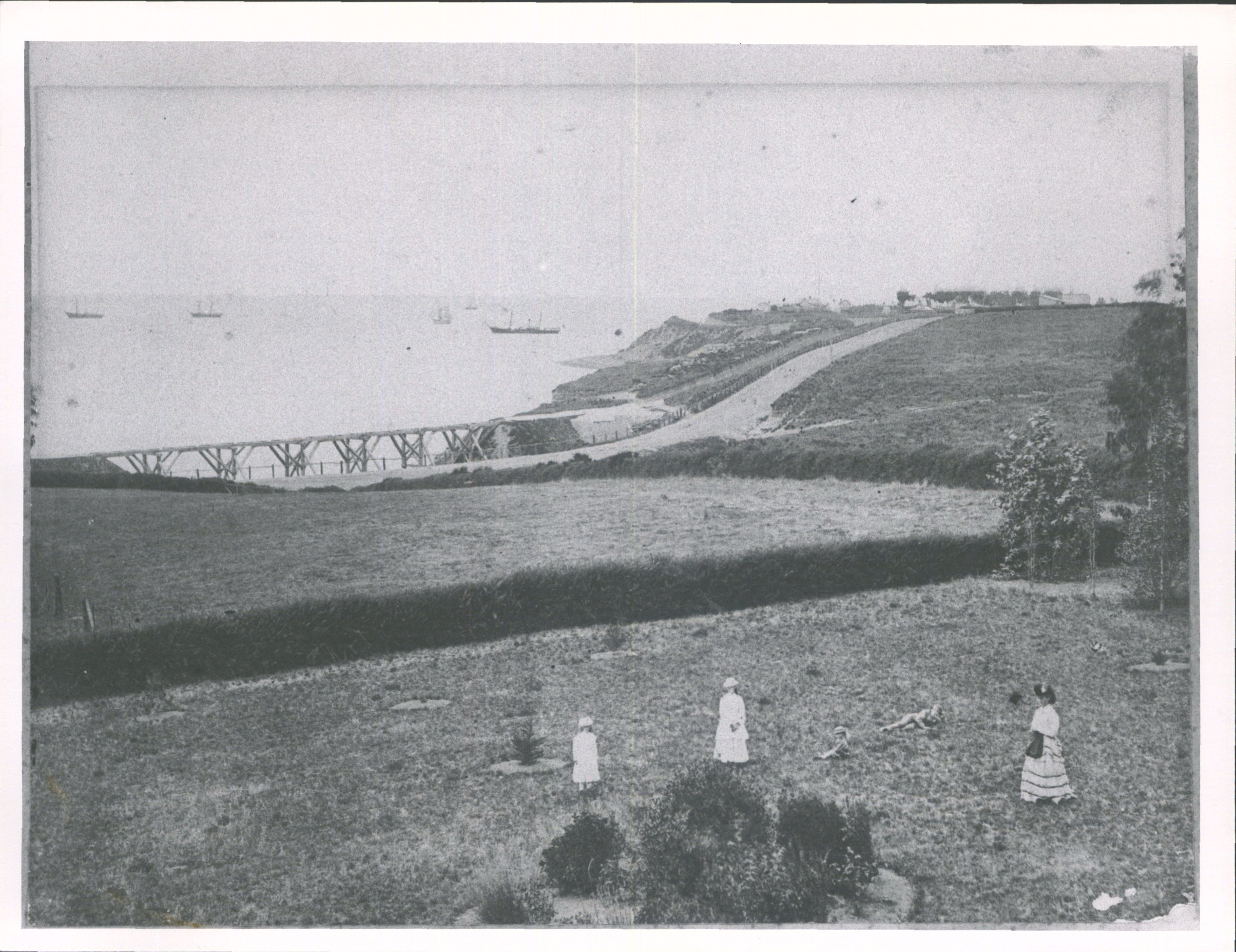
Looking towards the sea near Timaru (1871-1875). Hocken Digital Collections, accessed 17/04/2025, https://hocken.recollect.co.nz/nodes/view/23692 Low quality image. For further information on use of low quality scans and on how to order a high quality image please see conditions of use.
A lighthouse without a job
When the lighthouse was retired in 1970, its future was uncertain. Historic buildings do not survive simply because they are attractive or old. Once they lose their practical use, they are easily neglected, altered or demolished. Blackett’s Lighthouse survived because people decided that it mattered.
Members of the New Zealand Historic Places Trust, supported by other local volunteers, spent years researching the lighthouse, corresponding with authorities, advocating for its protection, raising support and planning how it could be retained.
A surviving local file containing minutes, correspondence and newspaper reports records the persistence behind the eventual result. This was not one meeting followed by an easy official decision. It was sustained community heritage work.
The lighthouse was moved to Māori Park in 1980 and restored. In its new position it gained another practical role, becoming the rear lead beacon for a navigational system that had been established above the Benvenue cliffs in 1907. Heritage New Zealand records both the 1980 move and this renewed navigational use.
The lighthouse was entered on the New Zealand Heritage List as a Category 2 historic place on 11 December 2003. Heritage New Zealand recognises it as one of a small number of surviving timber lighthouses in the country and as an important reminder of shipping, coastal transport and the development of maritime safety.
When the Caroline Bay aquatic centre was planned, another location was required. In November 2010 the lighthouse was carefully moved several hundred metres, crossing the railway line to reach its present position near the Benvenue cliffs.
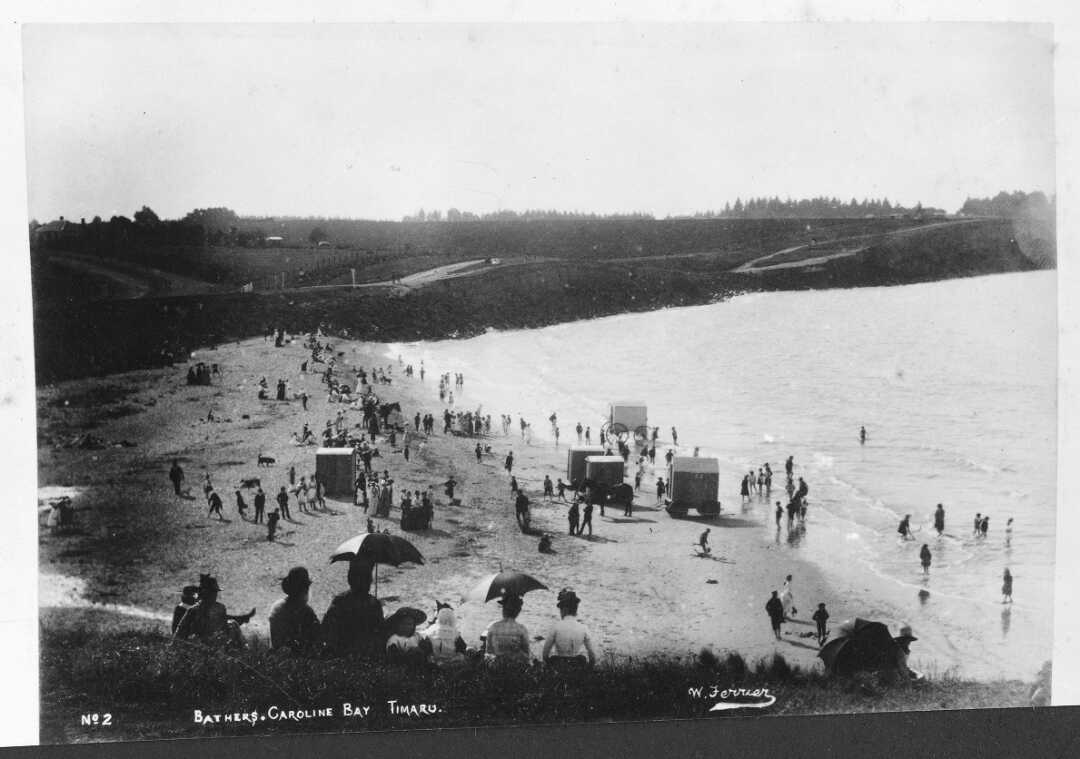
Caroline Bay in 1890. Crowd on the beach at Caroline Bay, Timaru, circa 1890. Bathing machines are by the surf. Perhaps this is the stream at the left. Photograph taken by William Ferrier. - National Library. Tiaki Reference Number: PAColl-4746-02
Which came first: the trees or the lighthouse?
The answer depends on which lighthouse location we mean.
Blackett’s Lighthouse was built in 1877–78. The newly located wreck photographs suggest that the present Benvenue macrocarpa were not yet growing on the cliffs in 1882. The lighthouse itself is therefore older than the trees.
However, the lighthouse did not arrive at Benvenue until 2010. A photograph of the relocation shows mature trees already standing around the new site.
The sequence appears to be:
- Blackett’s Lighthouse was built on Le Cren’s Terrace in 1877–78.
- The Benvenue was wrecked below the northern cliffs in 1882.
- The present macrocarpa (and possibly Ngaio) were planted at some point after the wreck.
- The trees matured and became part of the established headland landscape.
- The lighthouse was moved among them in 2010.
So, the trees did not grow up around a lighthouse that had always stood at Benvenue. The mature trees were already present when the lighthouse was placed there. That distinction matters when considering proposals to remove the trees or move the lighthouse.
Why keeping the stories together matters
The lighthouse has already travelled twice. It survived because earlier generations fought to save and restore it. Its present site is not its original site, but over time it has acquired another meaningful relationship with place. From the headland we can recognise the first generation of navigation: the knowledge of mana whenua, the Māori reserve and the coast travelled by waka long before colonial charts were drawn.
We can connect with a second generation: Woollcombe’s survey flags, Cain’s landing service, Morrison’s surf boats, Mills’s rescue work, Blackett’s engineering and the lighthouse that guided vessels towards Timaru.
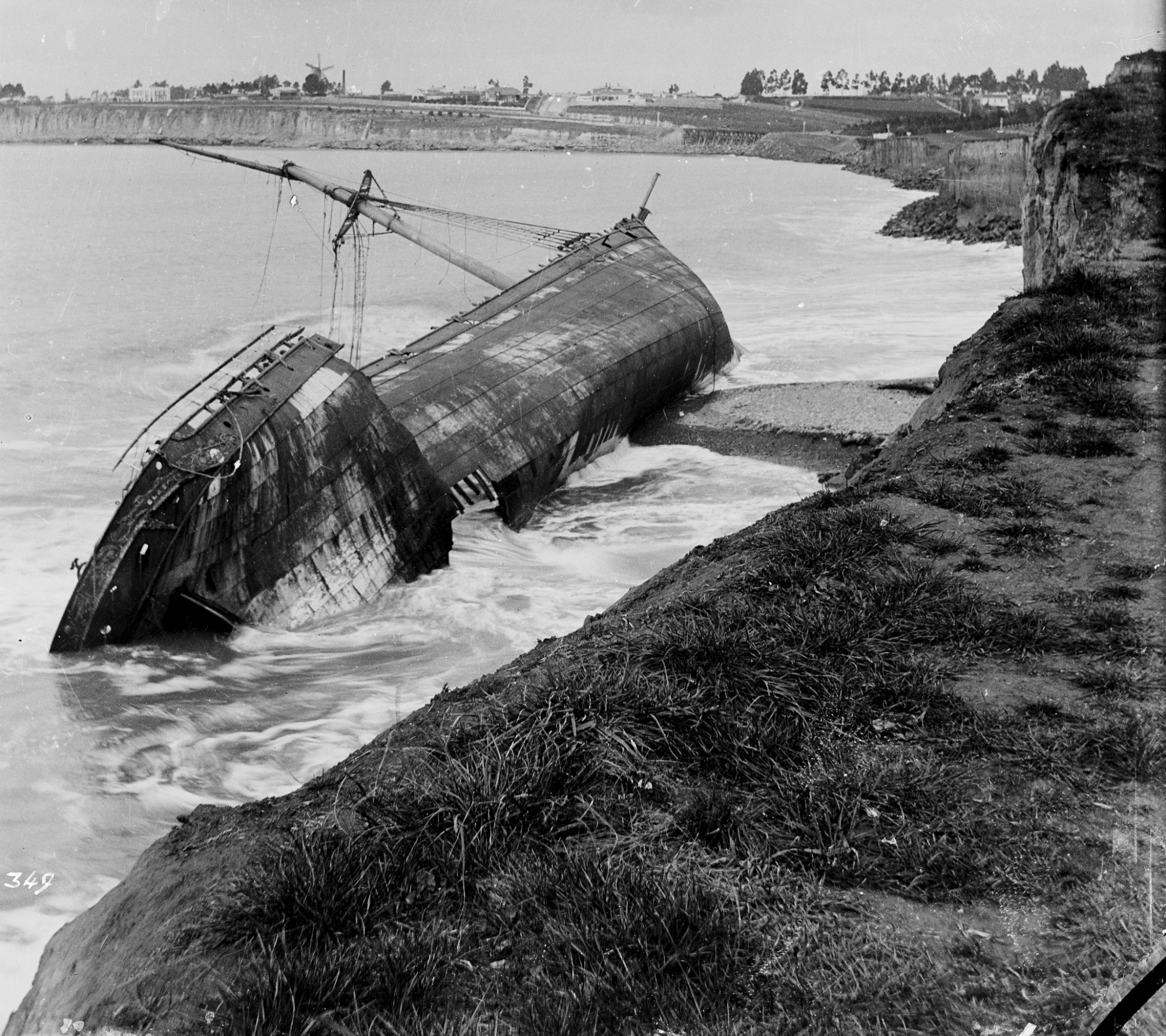
Timaru, "Ben Venue" stranded, stern c1882 https://collections.tepapa.govt.nz/object/1346853
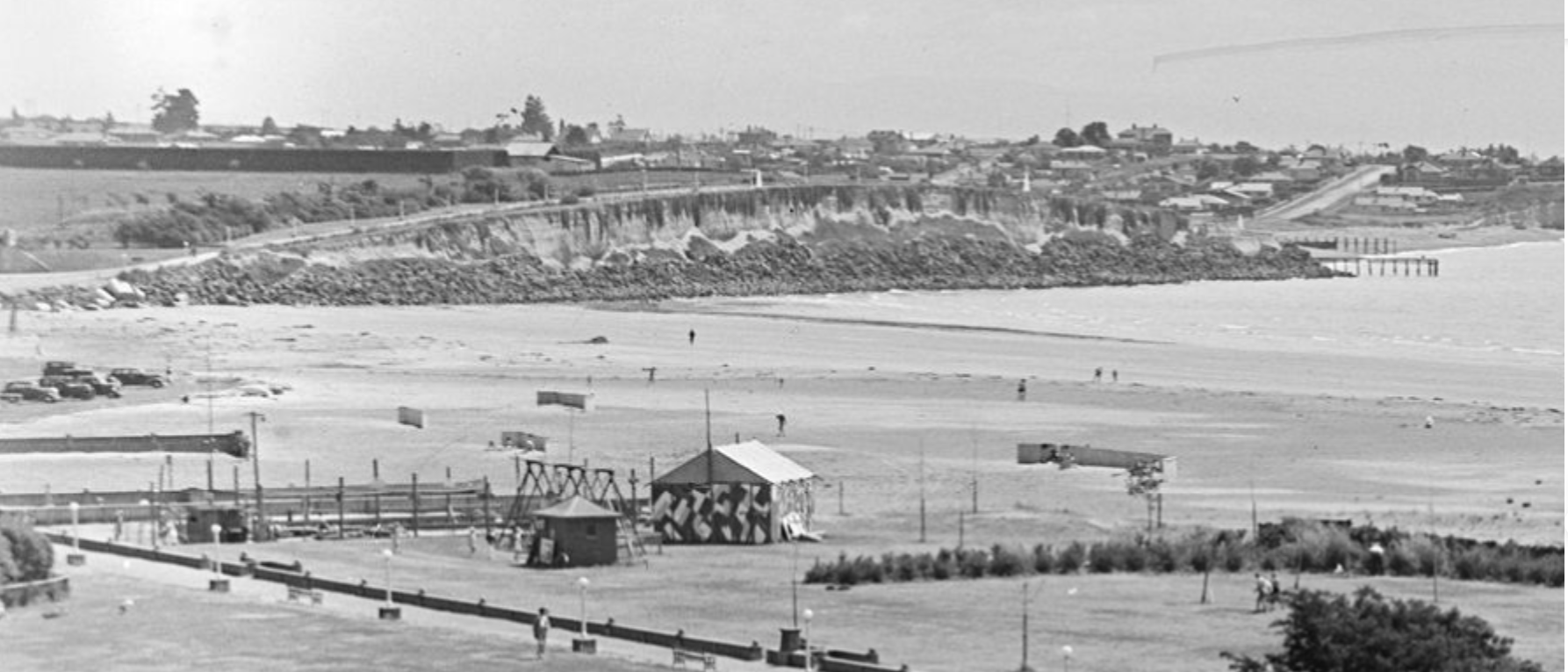
Crop from Caroline Bay William Beatie photo 1941 navigation system on benvenue cliffs Auckland Libraries Heritage Collections 1370 464 05 https://kura.aucklandlibraries.govt.nz/digital/collection/photos/id/388793/rec/2
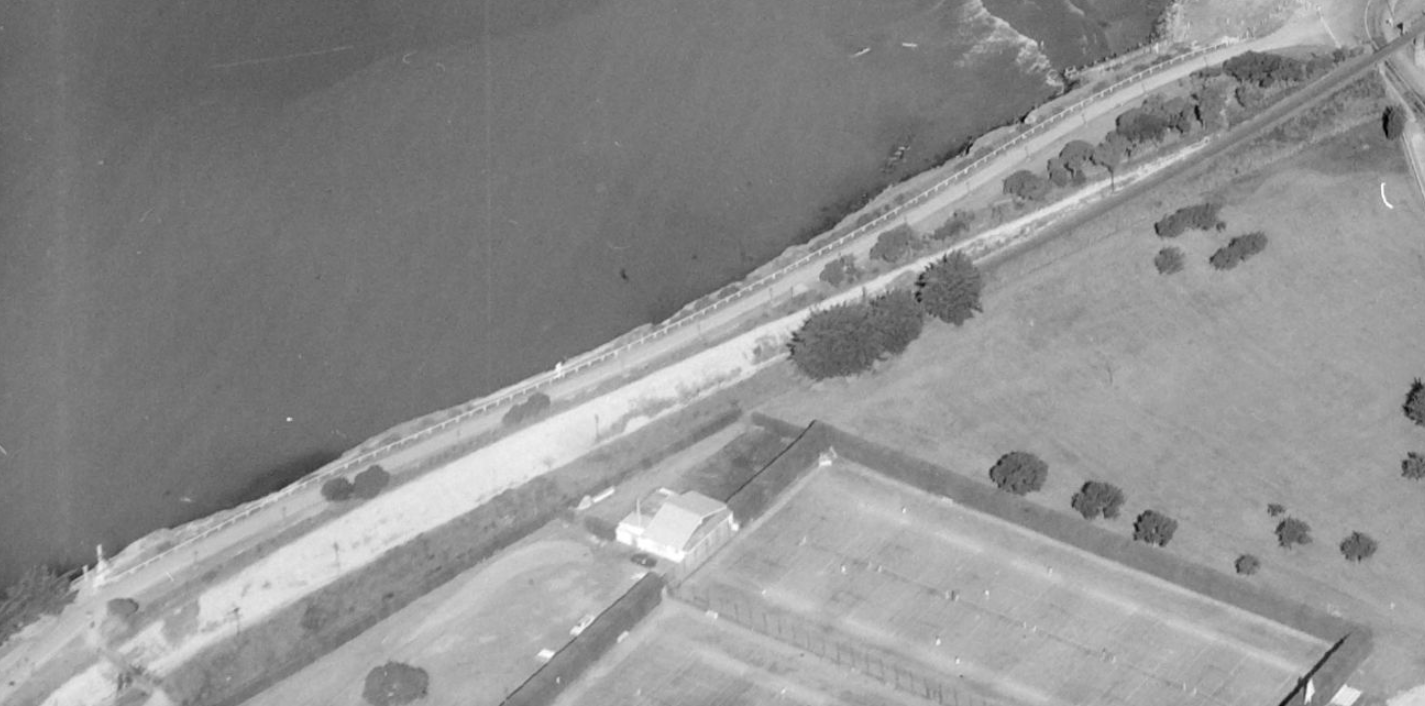
Timaru. Whites Aviation Ltd: Photographs. Ref: WA-68501-F. Alexander Turnbull Library, Wellington, New Zealand. /records/22302249
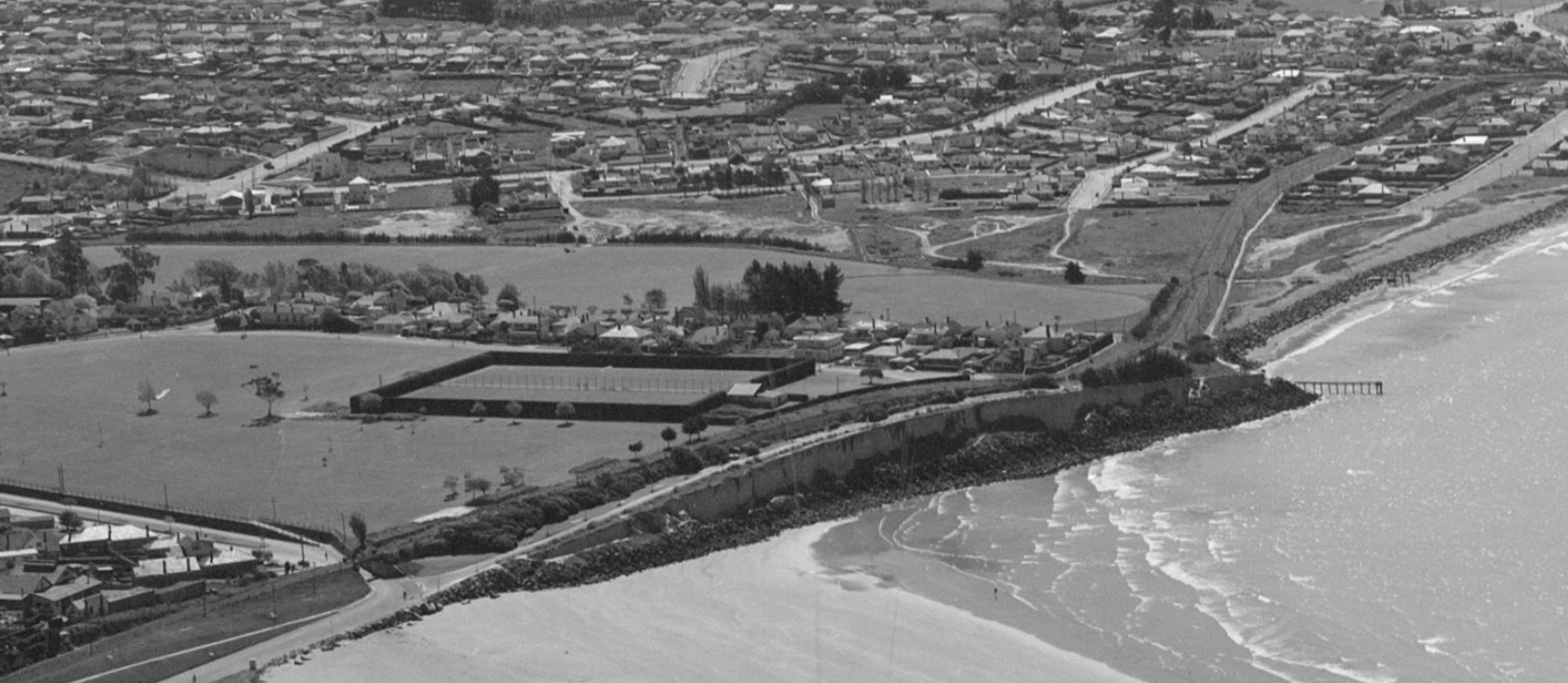
1956 Timaru, includes township, housing and harbour. Whites Aviation Ltd: Photographs. Ref: WA-42349-F. Alexander Turnbull Library, Wellington, New Zealand. /records/30628233 https://ndhadeliver.natlib.govt.nz/delivery/DeliveryManagerServlet?dps_pid=IE11971747&dps_custom_att_1=emu
The third generation is ours.
We no longer need Blackett’s Lighthouse to guide ships. Our task is to preserve, investigate and interpret the places that help us understand how Timaru came to be.
This does not mean that every old structure or tree must remain unchanged forever. Heritage management requires practical decisions about safety, condition, landscape and use. But those decisions should begin with a proper understanding of the whole place, not simply the visibility of one object.
At Benvenue, the Māori reserve, cliffs, shipwreck landscape, macrocarpa and lighthouse create a connected historic setting. Moving the lighthouse to Bay Hill might give it greater prominence as an isolated object. But it would also separate it from the waters associated with Black Sunday, the cliffs named for the wrecked Benvenue, the reserve beneath it and the landscape in which its maritime story can now be experienced.
Together, these elements are more meaningful than any one of them would be alone.
Heritage is not about preserving the past merely because it is old. It is about keeping history tangible, so we can stand where others stood, understand the choices they faced, learn from their successes and mistakes, and make more thoughtful decisions for the generations that follow.
The lighthouse may no longer guide ships. From its place on the cliff, however, it connects us to our past as we navigate the future we are creating.
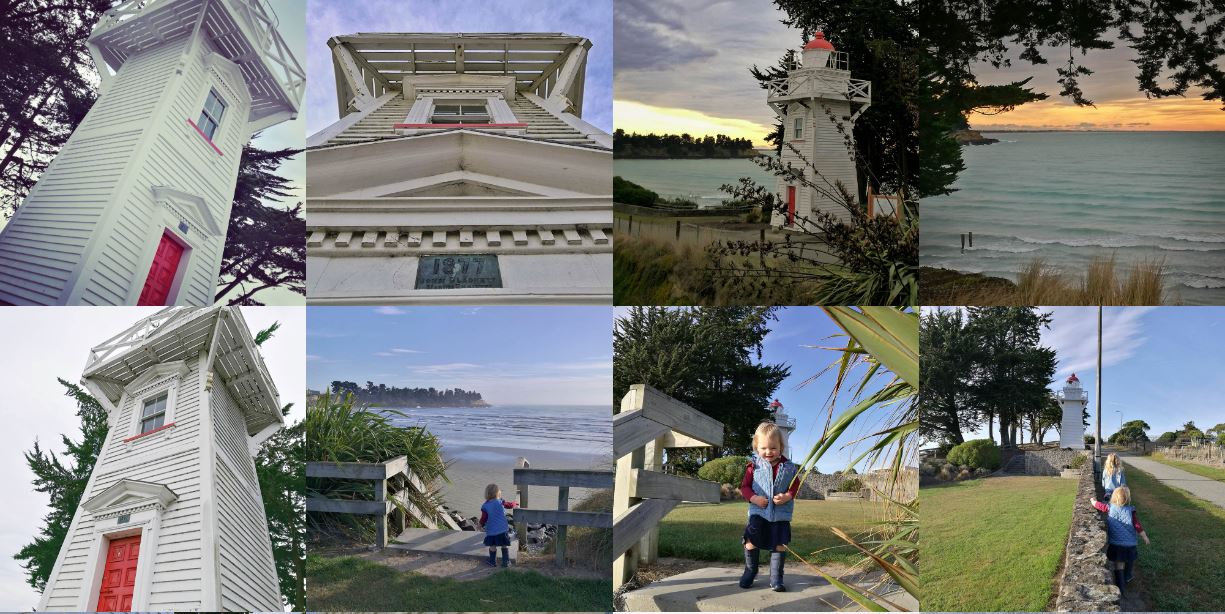
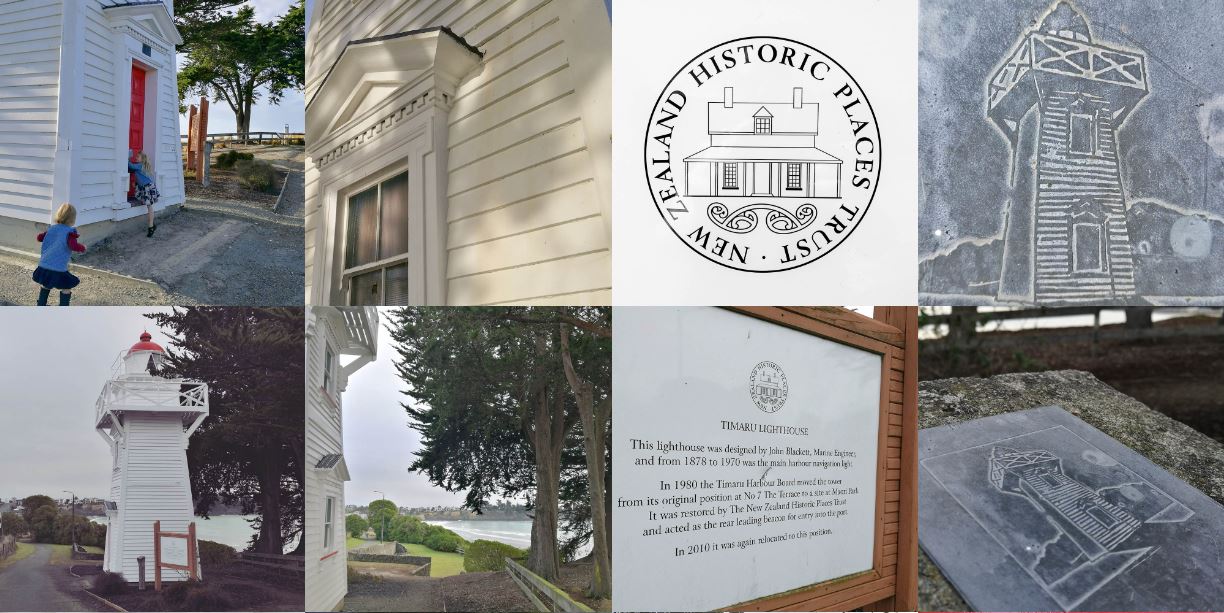
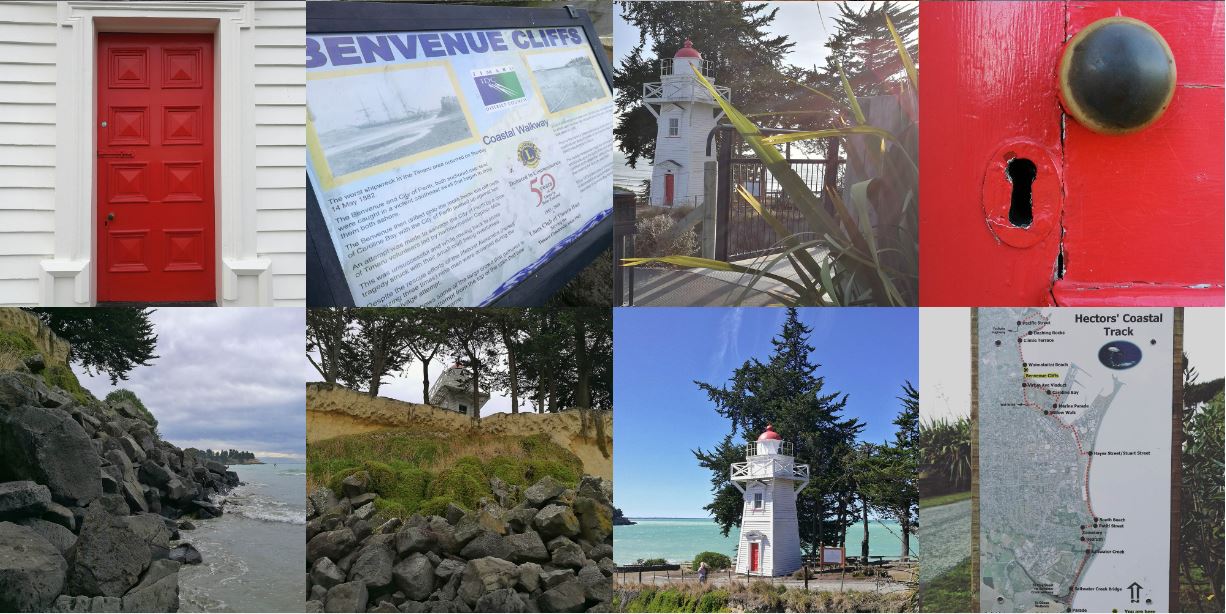
Photography By Roselyn Fauth
Timeline
Before European settlement Mana whenua know, name and travel the coastline. The headlands and bays around Timaru provide places of shelter and access for waka.
1848–49 A 20-acre reserve near Caroline Bay is set aside for South Canterbury Māori following the Canterbury Purchase. It becomes known as Reserve 884, Opukuorakaitauheke or Upoko-o-Rakai-tauheke.
1857 Captain Henry Cain is sent to Timaru to improve the landing of cargo through the difficult surf and rocks. Captain Belfield Woollcombe arrives in Timaru following Royal Navy service.
1858 Woollcombe surveys Timaru’s roadstead and reportedly uses flags on coastal cliffs, including the later Benvenue headland, as survey or navigation reference points.
Early 1860s Woollcombe carries out duties including Harbourmaster and Beachmaster. Strong Work Morrison is recorded as a Timaru pilot by 1863.
1863 Permanent cliff-top lights are established, accompanied by a signal mast and lookout, replacing or supplementing earlier improvised methods of signalling vessels.
1867 Captain Alexander Mills begins his period as Timaru Harbourmaster.
1868 Local merchants establish the Timaru Landing and Shipping Company and construct the surviving bluestone Landing Service building.
1876 Marine Engineer John Blackett designs a timber lighthouse for Timaru.
1877–78 The lighthouse and keeper’s dwelling are constructed on Le Cren’s Terrace.
1 July 1878 The fixed white fifth-order harbour light is first exhibited.
c.1880 Brett’s New Zealand and South Pacific Pilot describes conspicuous clumps of trees north of Timaru that could be recognised from the sea. These have not been proven to be the present Benvenue macrocarpa.
14 May 1882 The Benvenue and City of Perth are driven ashore during Black Sunday. Captain Alexander Mills and eight other men lose their lives.
16 May 1882 The inquest finds that Mills died from shock caused by immersion and exposure while discharging his duty.
After May 1882 Photographs of the wreck appear to show the Benvenue cliffs without the present macrocarpa. The trees were therefore probably planted after this date. Their planter and exact purpose remain unconfirmed.
1890 The lighthouse’s kerosene light is replaced by gas.
1907 A navigational lead system is established above the Benvenue cliffs.
1920 The lighthouse is converted to electricity.
1948 A flashing light is installed.
March 1970 Blackett’s Lighthouse is retired after new port lights are installed above Dashing Rocks.
1970–80 Members of the New Zealand Historic Places Trust and other local volunteers campaign to preserve, restore and relocate the lighthouse.
1980 The lighthouse is moved to Māori Park, restored and adapted as the rear lead beacon in the 1907 navigational system.
11 December 2003 Blackett’s Lighthouse is entered on the New Zealand Heritage List as a Category 2 historic place, list number 2044.
November 2010 The lighthouse is moved from Māori Park to its present location beside the mature macrocarpa on the Benvenue cliffs.
2011 Heritage New Zealand completes its revised registration report following the relocation.
Today The lighthouse stands on land forming part of the original Opukuorakaitauheke Māori Reserve 884. Discussion continues about the trees, visibility and whether the lighthouse should remain at Benvenue.
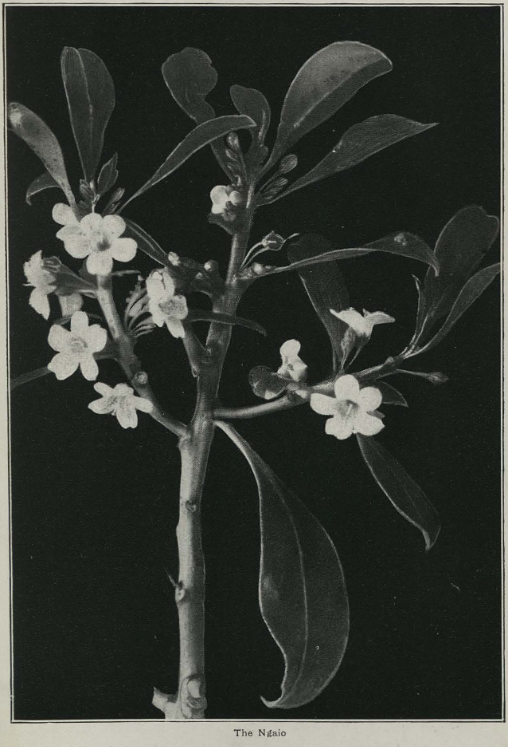
"The Ngaio. This is a common coastal tree with beautiful glossy green leaves dotted with white glands. When young it is a shapely shrub; but as it
grows older it becomes much bent and twisted, so that its crooked timber can frequently be used for the knees of small vessels. According to Maori legend, there is a nga10 tree in the moon. The woman Rona, as she went out one dark night, tripped over some stones and cursed the moon because it did not shine. She was immediately seized and drawn skyward. As she felt herself going, she caught hold of a nga10 tree; but it came out by the roots, and so "In the moon is Rona sitting, Never to be free, With the gourd she held in flitting, And the Ngaio tree."
New Zealand might well be termed the land of white flowers. In other countries gentians are noted for the intensity of their colour. Here, they are typically white. The intense blue of the gentians of the Swiss Alps is quite unknown among New Zealand wildflowers; and strangely enough our brightest gentian comes from the far-off Auckland Islands, where there are field flowers of almost tropical magnificence and brilliancy. We have
in New Zealand many different kinds of gentian; some are found on rocky coasts, drenched by the sea-spray, and others on mountain heights. The one figured is the form common on the mountains of the South Island from Nelson to Otago. It is a handsome plant whose flower heads are sometimes G in. in diameter, and are composed of many white flowers about three inches across.
- R M Laing, New Zealand Wild Flowers .Aoraki Heritage Collection, https://aorakiheritage.recollect.co.nz/nodes/view/8872
A practical reason for Timaru’s macrocarpas
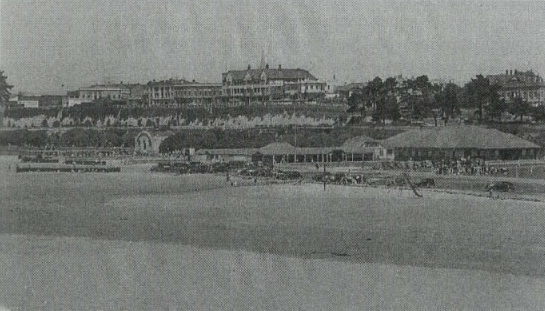
Before Timaru had sewer pipes, the town’s night soil was dumped near the beginning of Sarah Street. At the time, there were no railway lines and Caroline Bay had not yet been formed. A small grove of macrocarpa trees was planted to screen the unpleasant site from view. In 1948, during Mayor A. E. S. Hanan’s term, the trees were removed to open up the view, as their original purpose had long since disappeared. One tree was deliberately left standing as a reminder of Timaru’s early days. A local observer warned that a lone macrocarpa was unlikely to withstand the region’s powerful nor’west gales.
This first house, situated on the corner of Sarah Street and Bay Hill, was built for Mr John Hutchinson, a prominent businessman who had emigrated from Scotland before the First World War and settled in Timaru.
- Doug Shears, Tales of South Canterbury. Vol. 1 : Caroline Bay . Aoraki Heritage Collection, https://aorakiheritage.recollect.co.nz/nodes/view/8179
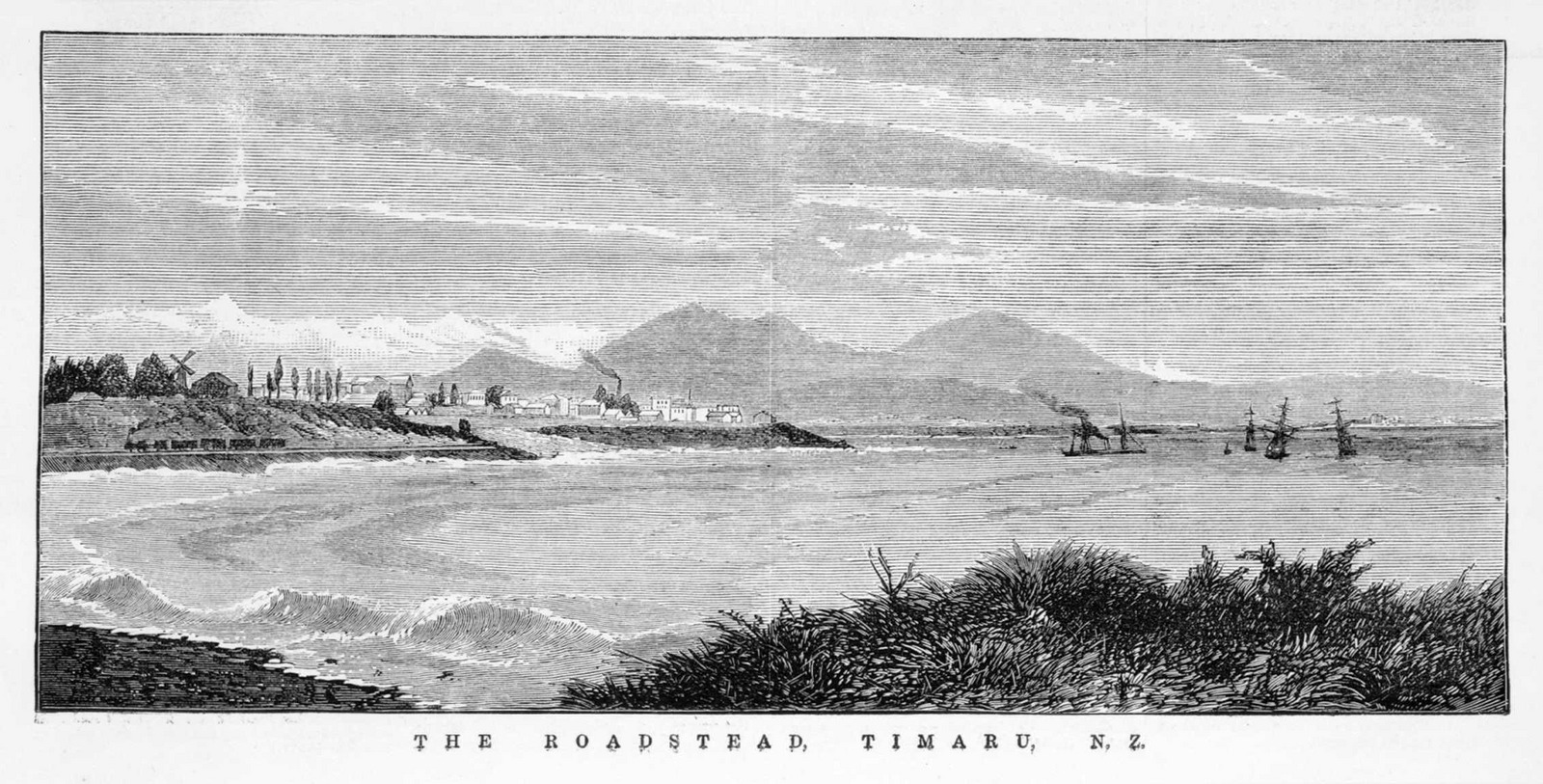
The Roadstead, Timaru, N.Z. – This wood engraving, published by Ebenezer and David Syme on October 3, 1877, depicts the coastline, port, and township of Timaru as viewed from the south. Originally featured in The Illustrated Australian News, the engraving offers a historical view of the area. This work is out of copyright, with no restrictions on use. https://find.slv.vic.gov.au/permalink/61SLV_INST/1sev8ar/alma9916967753607636

Government landing terrace at Timaru, 1860s. Shows buildings by the waterfront. Photographer unidentified. - https://tiaki.natlib.govt.nz/#details=ecatalogue.366331

Timaru Blackett lighthouse and flagstaff at Le Crens Terrace. The Timaru Harbour Board lighthouse and flagstaff, on the site of the Harbourmaster's house (in the background) on the Terrace, Timaru, circa 1920. Courtesy South Canterbury Museum 2021/057.04
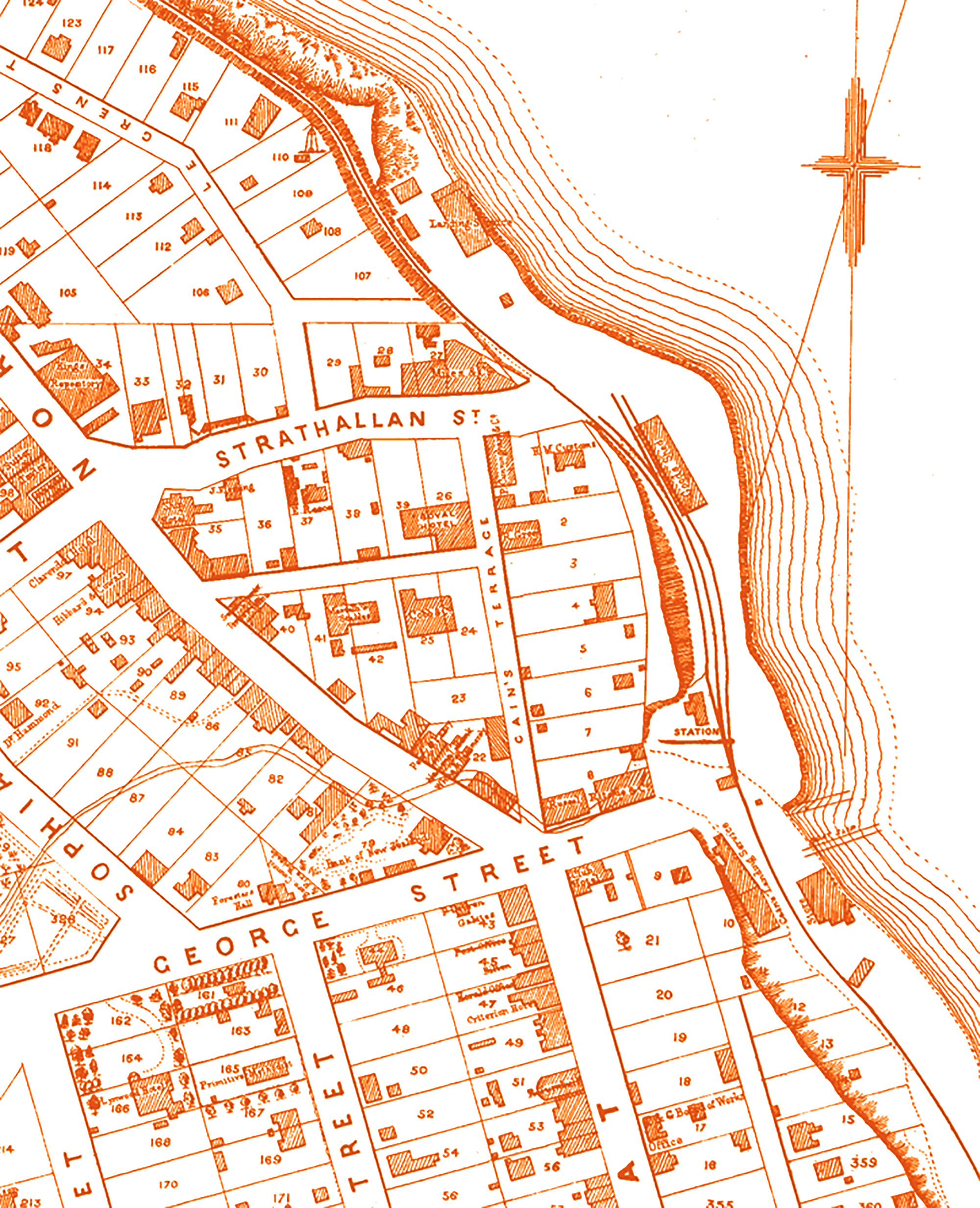
Section of an 1875 map of Timaru showing the two landing service sites.
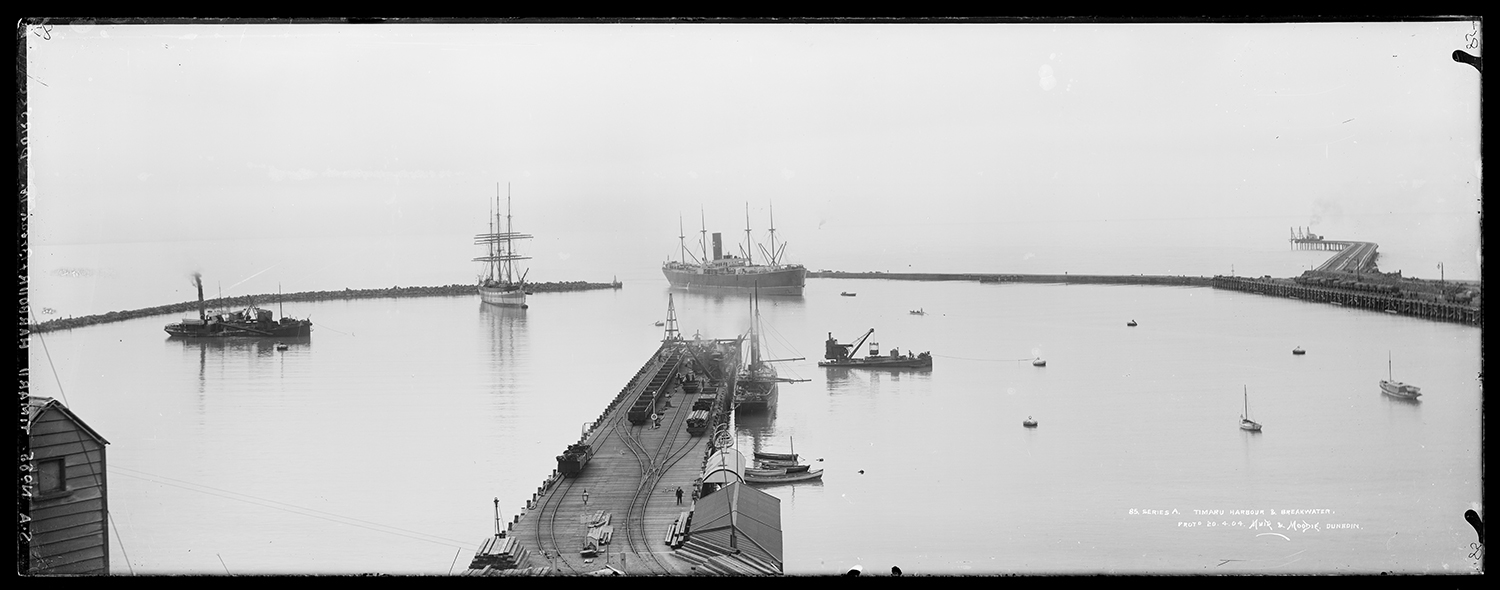
Construction of the Port impacted the way sediment flowed up the coast. Fine sand started to build out from the cliffs North of the Harbour works. From the album: Scenes of New Zealand, circa 1880, Timaru, by Messrs. F. Bradley & Co. Te Papa (O.042416)Read an article about this in the Timaru Herald.
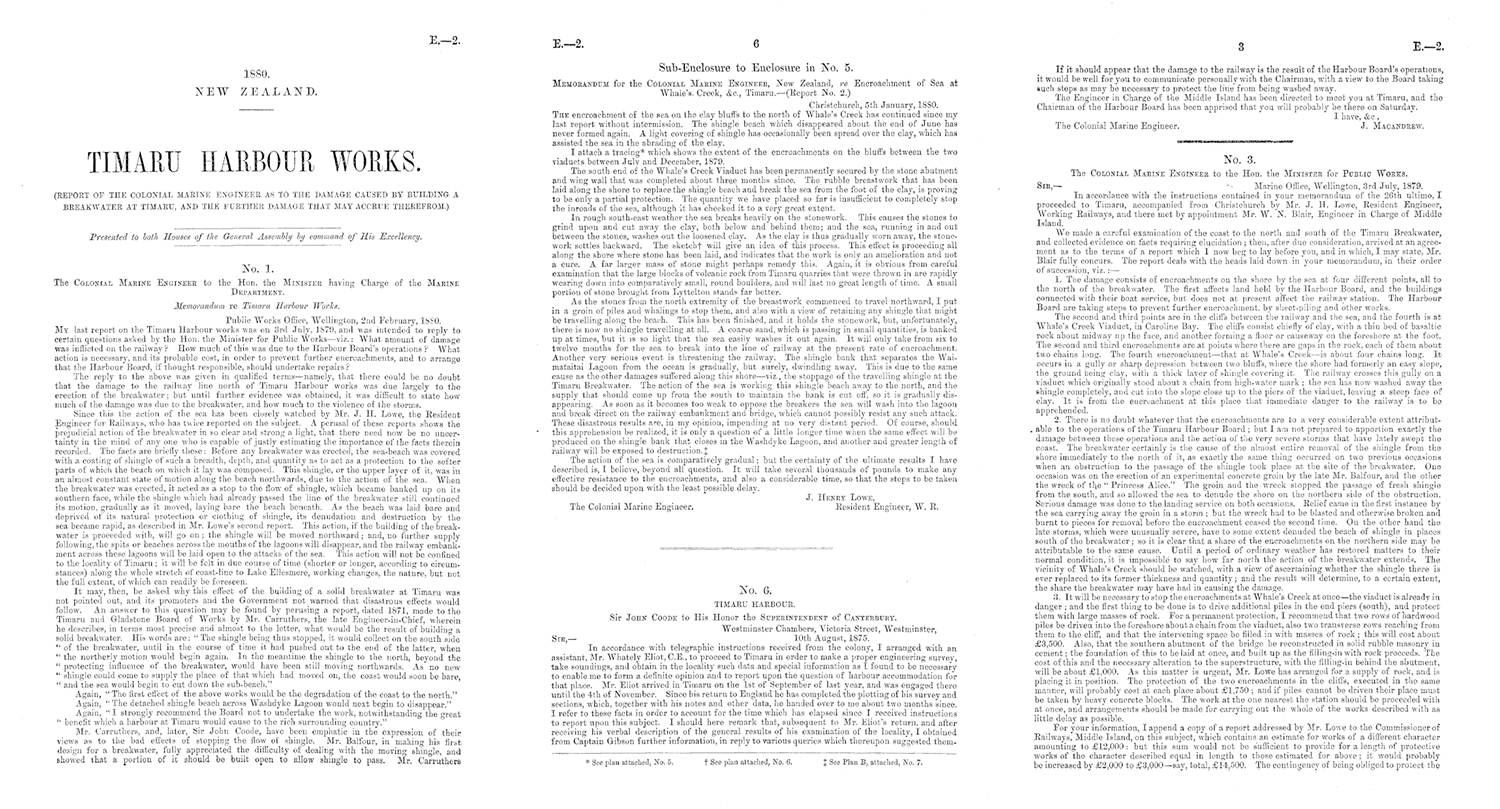
1880 Rport written by John Blackett (NZ Colonial Marine Engineer) as ti the damaged caused by building a breatwater at Timaru, and the further danamge that may accrue therefrom - paperspast.natlib.govt.nz/parliamentary/AJHR1880-I.2.1.6.2
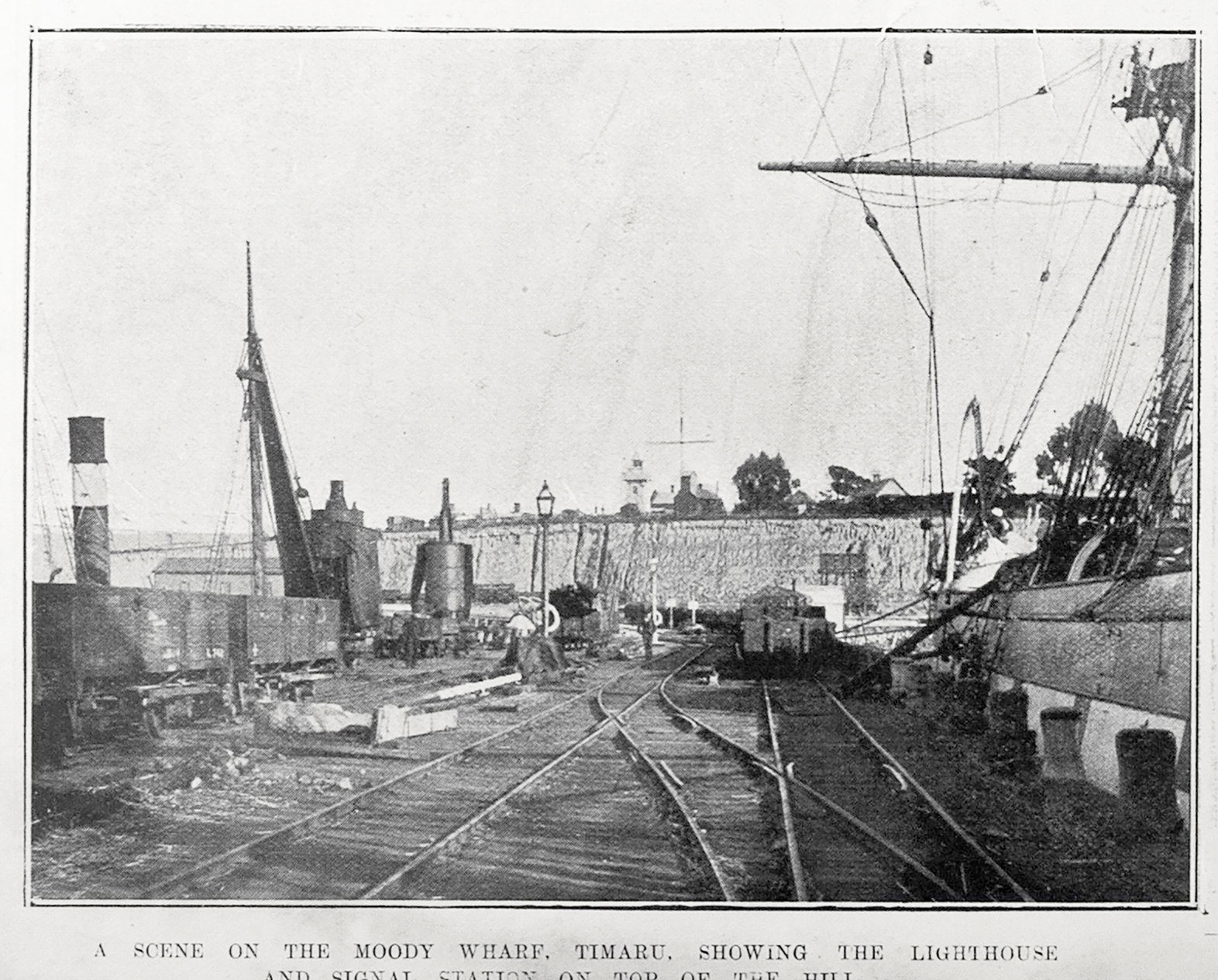
1904 A scewne on the moody wharf, Timaru, showing the lighthouse and signal station on the top of the hill. Auckland Weekly News, 7 July 1904, p.2. Auckland Libraries Heritage Collections AWNS-19040707-02-04
- kura.aucklandlibraries.govt.nz/digital/collection/photos/id/183795/rec/27
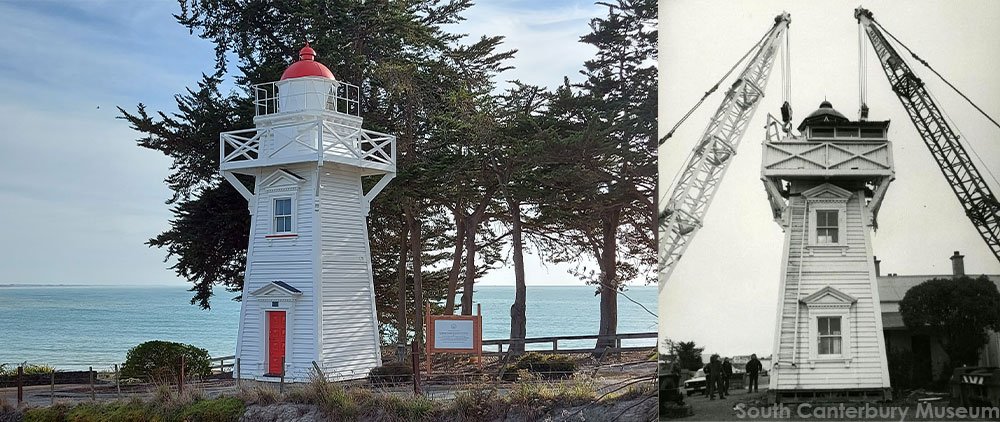
The Blackett Lighthouse was originally on the Terrace, No. 7. It was later relocated to the corner of Te Weka Street and Benvenue Ave, and then again to the Benvenue Cliffs. It is a Category II structure and the Historic Places Trust. LEFT: The Lighthouse at its current site in 2021. Courtesy of Roselyn Fauth. RIGHT: Timaru's lighthouse being relocated 1980. Courtesy of South Canterbury Museum 2014/107.73145 years after the original was built, we lifted our new lighthouse slide tower into the new playground at Caroline Bay. The design was inspired by the inspired by 1878 Blackett's Lighthouse. The dome and slides will be attached next. 43 years ago the Blackett Lighthouse was relocated from The Terrace to Cnr of Te Weka St and Benvenue Ave. It was shifted again down the road to the Benvenue Cliffs and today stands as an icon and part of our local built heritage.

John Blackett was keen to construct inexpensive and easy-to-build lighthouses in New Zealand. The lighthouse features an innovative double wall filled with rubble. This allowed cheap, easy-to-handle wood to be used while achieving the weight to ensure towers were well founded in exposed positions. A set of the original plans for construction of the Timaru lighthouse hand drawn by John Blackett circa 1877. Courtesy South Canterbury Museum 2004/070.37
Inspired by Timaru's Iconic 1878 Blackett Lighthouse
The idea of installing a lighthouse in the Caroline Bay playground drew inspiration from the rich history of the area and its iconic Blackett Lighthouse. The lighthouse has long been a symbol of Timaru and even features as a mini version in the paddling pool, stirring nostalgia among locals. The lighthouse slide tower offers 7 and 5-meter slides, providing an exhilarating experience for children. The lighthouse's presence also serves as a striking marketing feature, making the Caroline Bay Playground a must-visit destination.
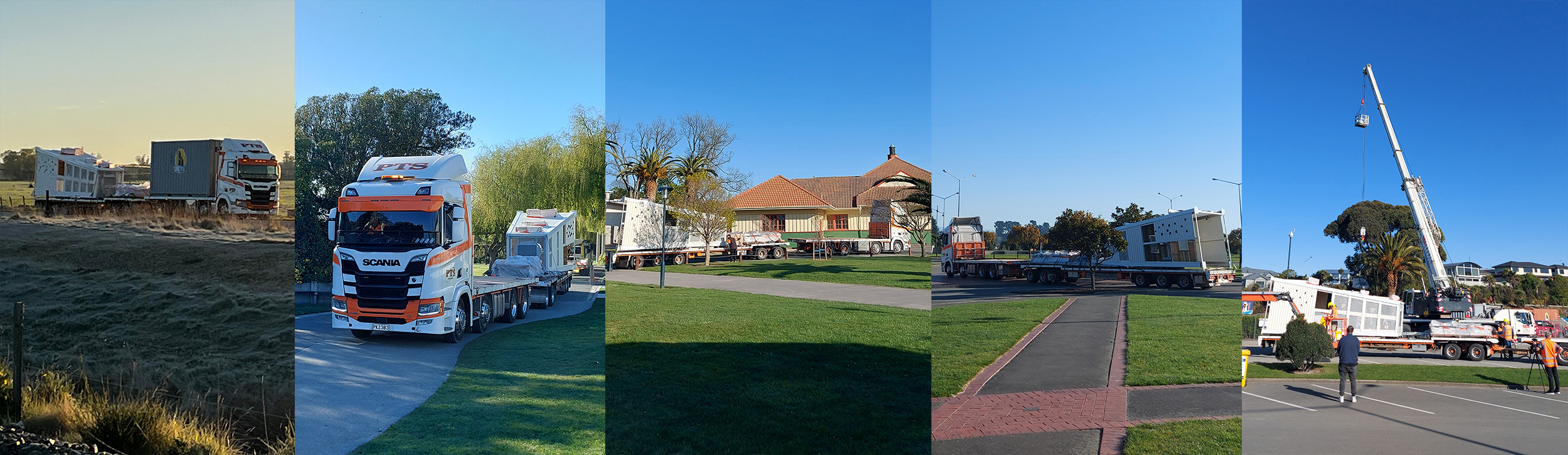
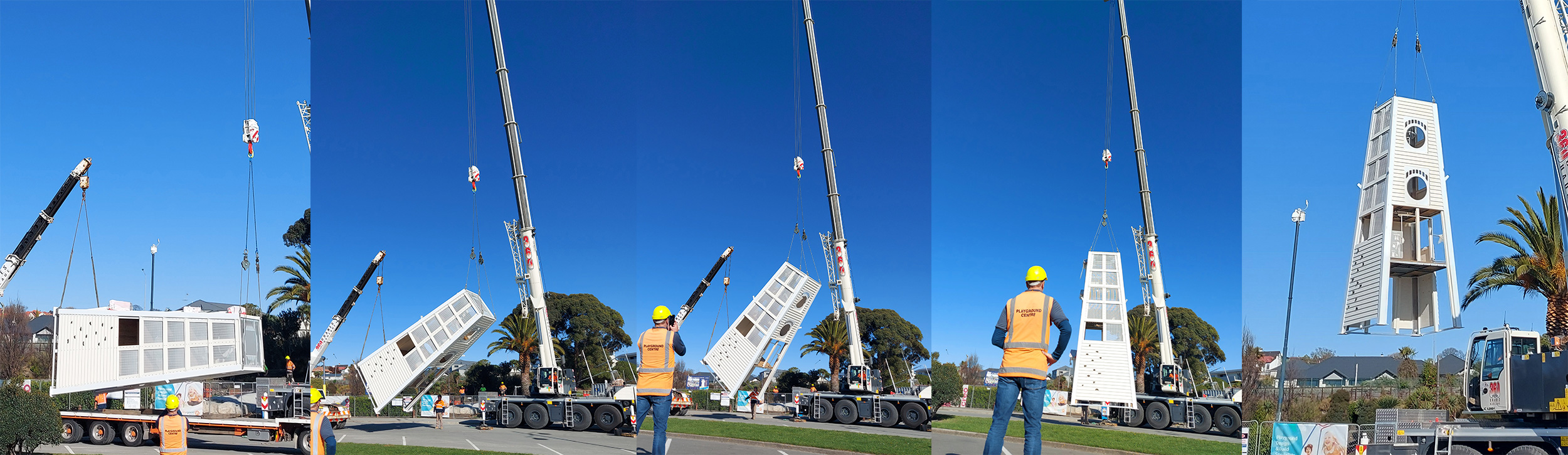
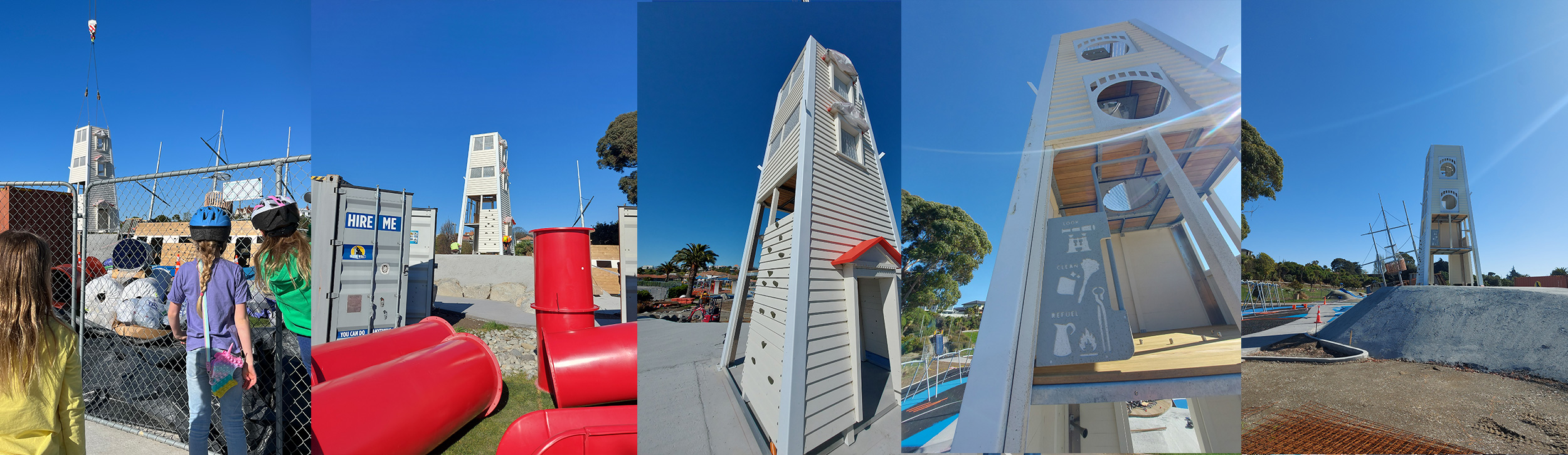
The Lighthouse tower was installed 26th October 2023. It was brought down by truck and ferry from the Playground Centre in Wanganui to Timaru over two days by PTD Logistics. 360 Cranes lifted it into place with CPlay's equipment installers, Curle Construction. Photos By Roselyn Fauth
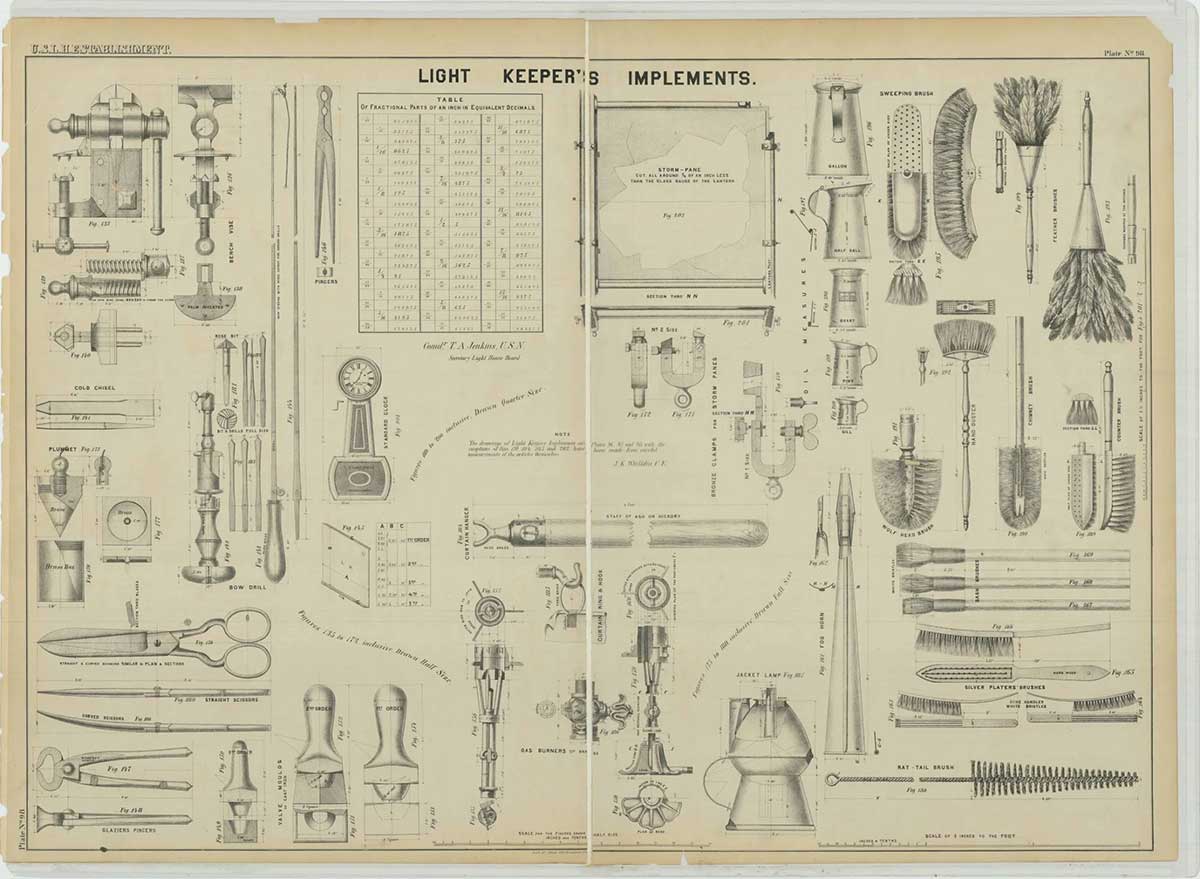
Keepers weren’t just there to tend to the lens only. They also had to maintain other buildings around the light station and keep things running smoothly.Courtesy RG26: ZZ, Standard Apparatus Plans; Vol. 19, Plate 98. Light Keeper’s Implements, 1862.

Section of the HMS Ringarooma cruiser in Timaru Harbour where you can see the Blackett Lighthouse up on Le Cren Terrace 1895-02-23 - Auckland Libraries Heritage Collections NZG-18950223-0180-01
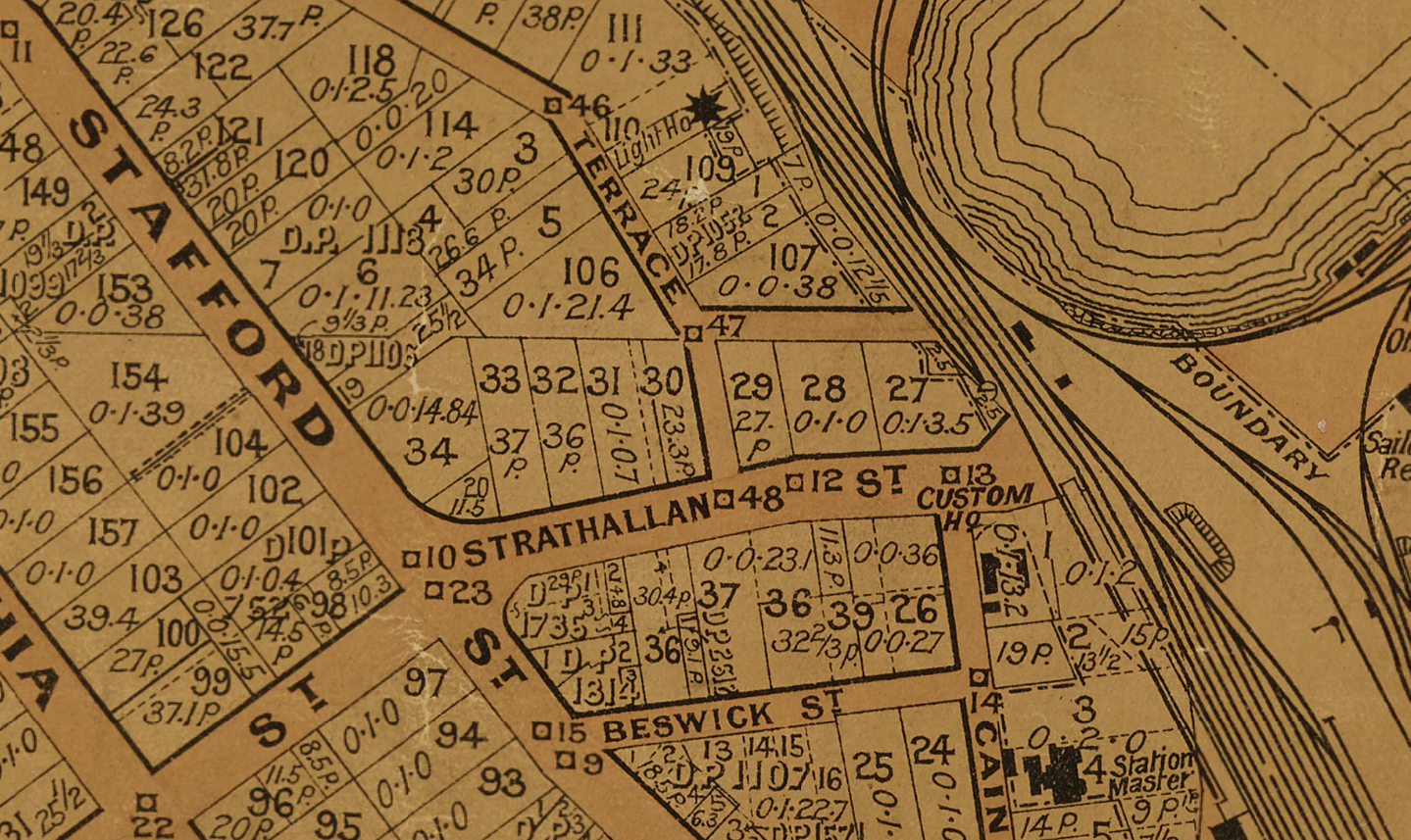
Borough of Timaru, South Canterbury. NZ Heritage Maps Platform, https://maps.recollect.co.nz/nodes/view/336
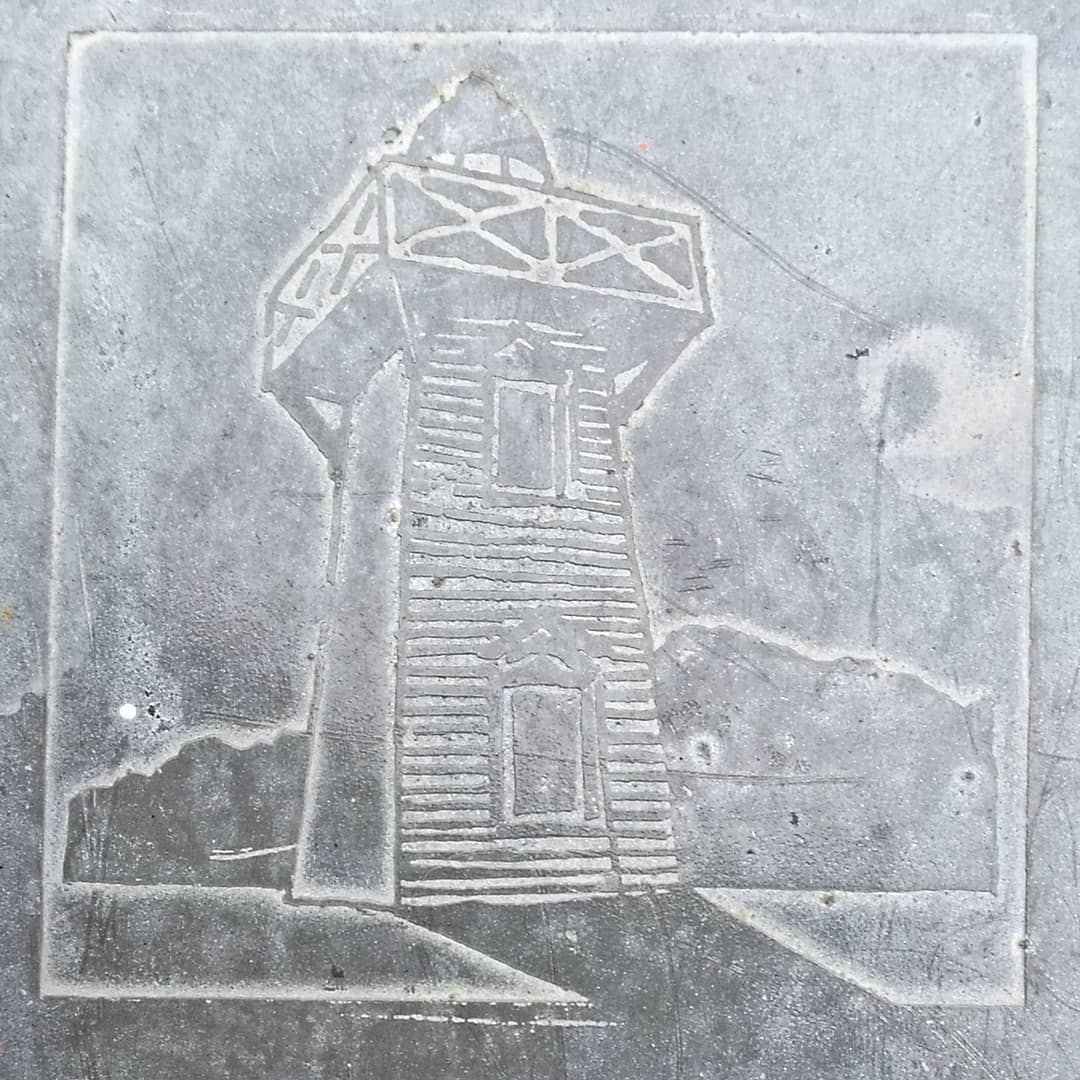
Brass Rubbing plate for Blackett Lighthouse in Timaru

https://kura.aucklandlibraries.govt.nz/digital/collection/maps/id/1444/rec/1
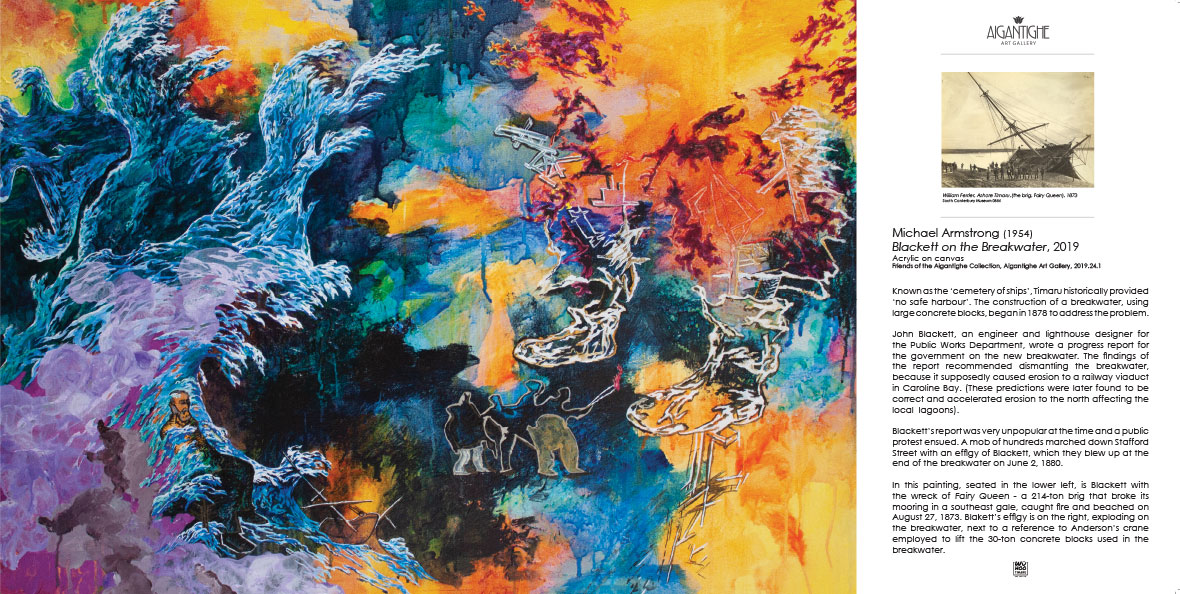
A art history sign features Blackett story by the lighthouse. Michael Armstrong (1954). Blackett on the Breakwater, 2019. Acrylic on canvas. Friends of the Aigantighe Collection, Aigantighe Art Gallery, 2019.24.1
Known as the ‘cemetery of ships’, Timaru historically provided ‘no safe harbour’. The construction of a breakwater, using large concrete blocks, began in 1878 to address the problem. Known as the ‘cemetery of ships’, Timaru historically provided ‘no safe harbour’. The construction of a breakwater, using large concrete blocks, began in 1878 to address the problem. John Blackett, an engineer and lighthouse designer for the Public Works Department, wrote a progress report for the government on the new breakwater. The findings of the report recommended dismantling the breakwater, because it supposedly caused erosion to a railway viaduct in Caroline Bay. (These predictions were later found to be correct and accelerated erosion to the north affecting the local lagoons).Blackett’s report was very unpopular at the time and a public protest ensued. A mob of hundreds marched down Stafford Street with an effigy of Blackett, which they blew up at the end of the breakwater on June 2, 1880.In this painting, seated in the lower left, is Blackett with the wreck of Fairy Queen - a 214-ton brig that broke its mooring in a southeast gale, caught fire and beached on August 27, 1873. Blakett’s effigy is on the right, exploding on the breakwater, next to a reference to Anderson’s crane employed to lift the 30-ton concrete blocks used in the breakwater.
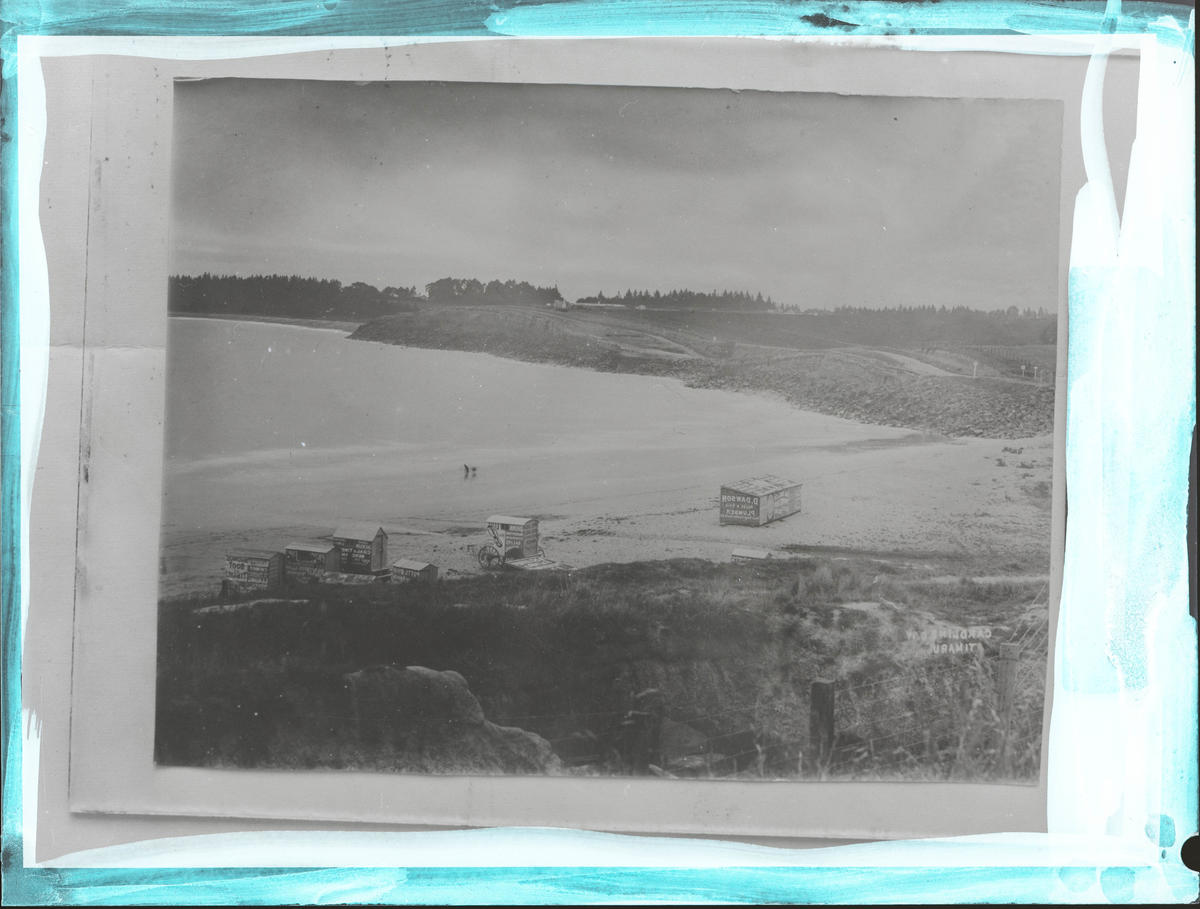
Caroline Bay, Timaru ca 1900; probably from Bishop family album Canterbury Museum . Catalogue number PIC78/21. Accession number 1978.218.9
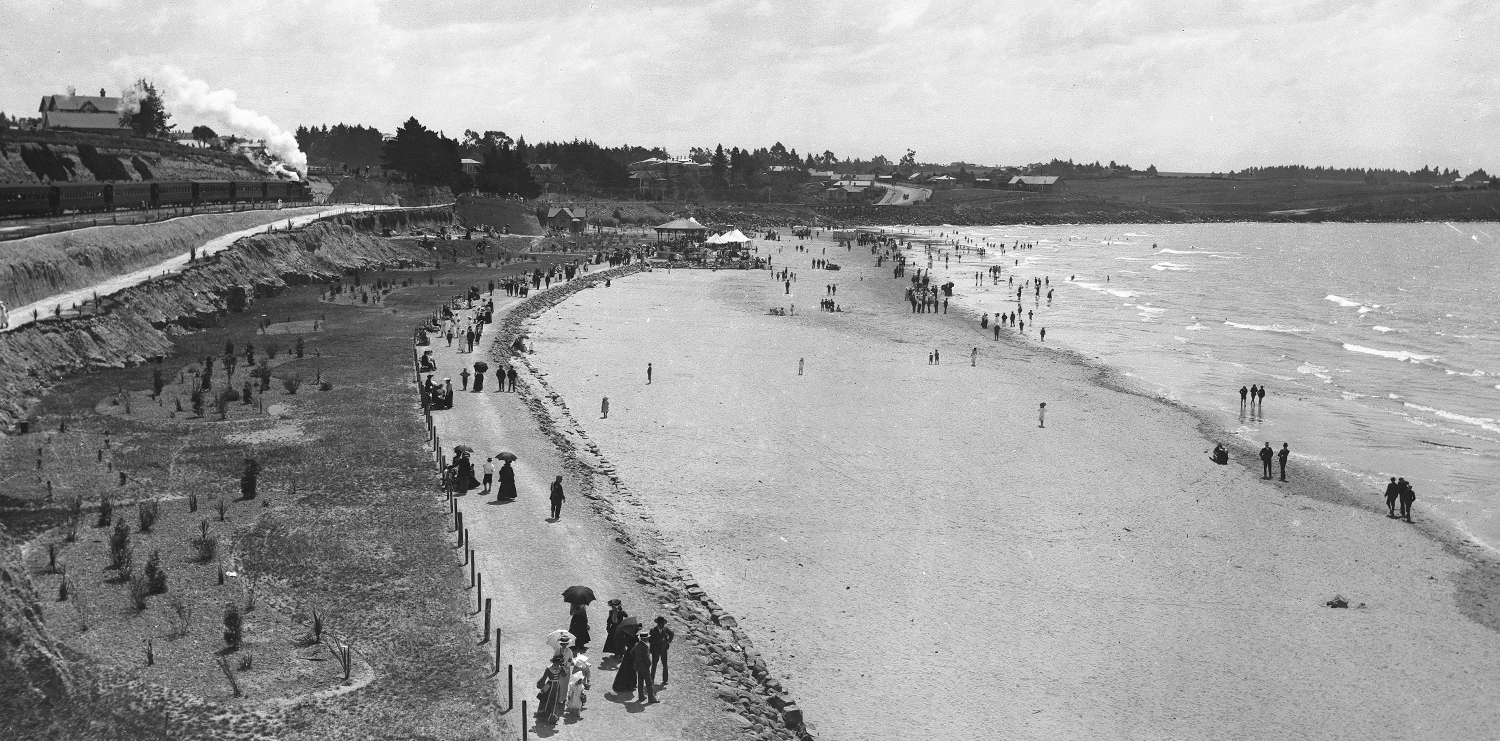
Caroline Bay, Timaru, 1900s, Dunedin, by Muir & Moodie. Te Papa (C.014386)
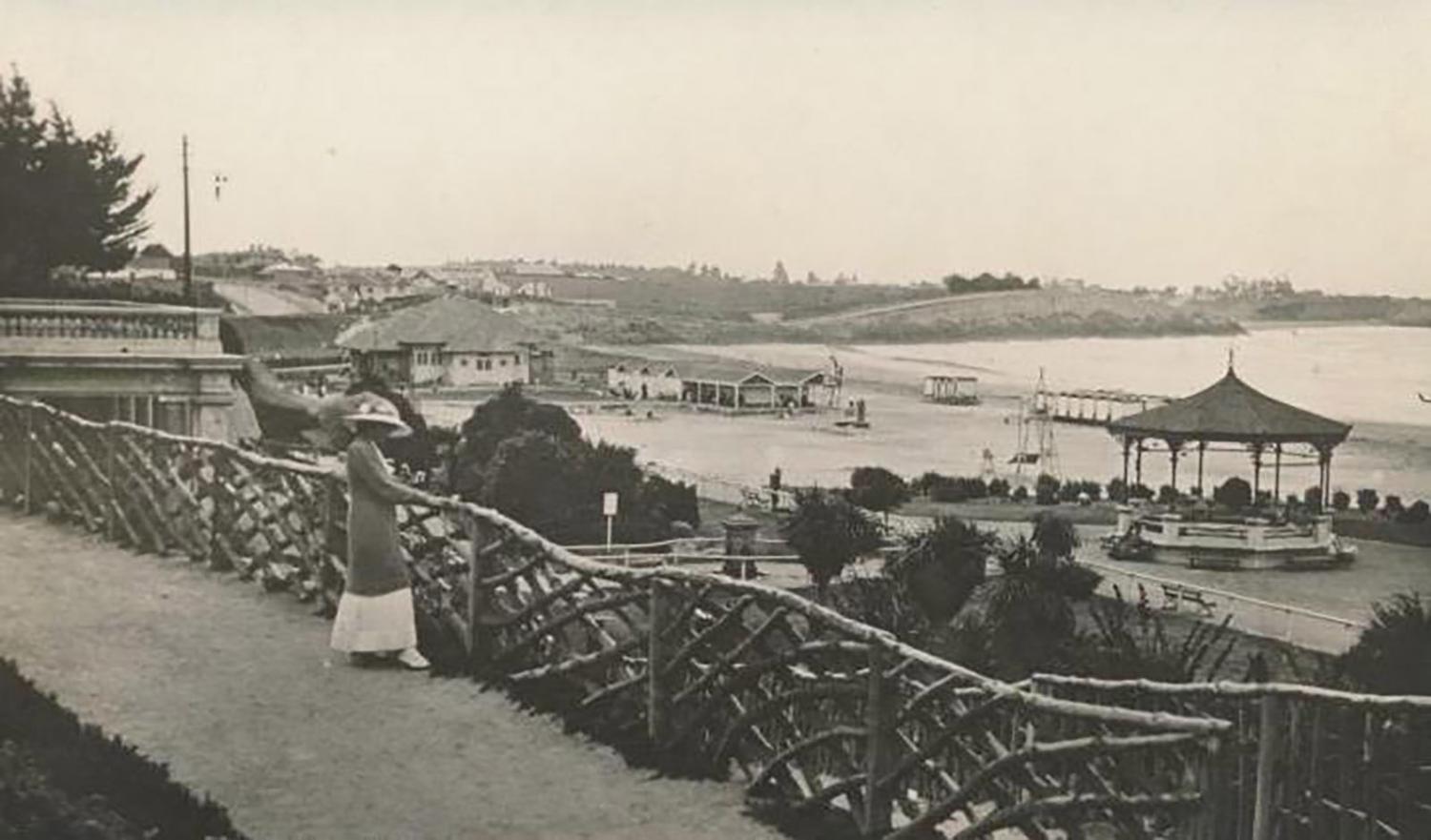
New Zealand - Timaru - Caroline Bay - 1940’s - Fyfe photo - Photo Postcard Format #t443
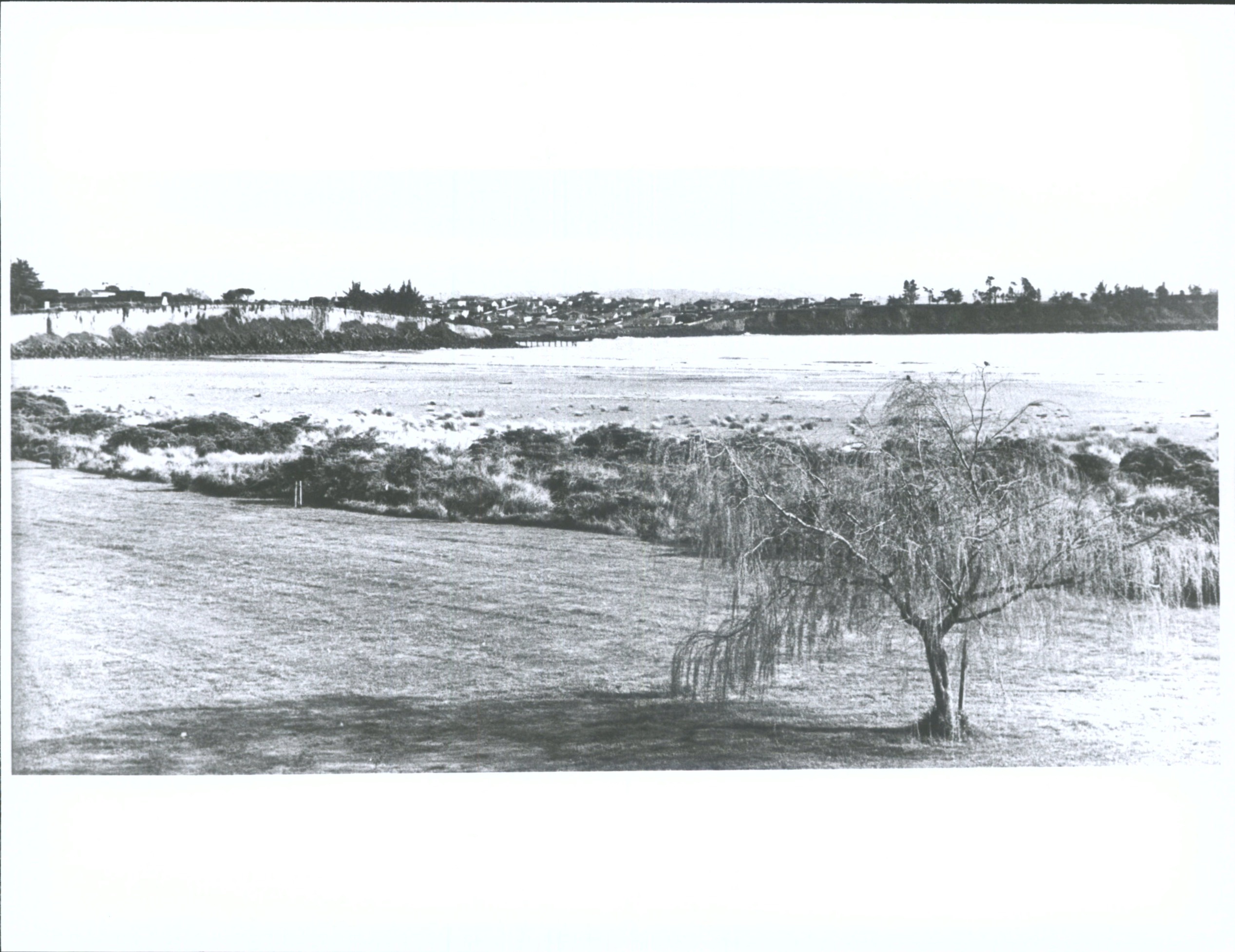
Willow tree Caroline Bay, Timaru, N.Z.. Hocken Digital Collections, https://hocken.recollect.co.nz/nodes/view/23968 Conditions of Use and Copying Low quality image. For further information on use of low quality scans and on how to order a high quality image please see conditions of use.
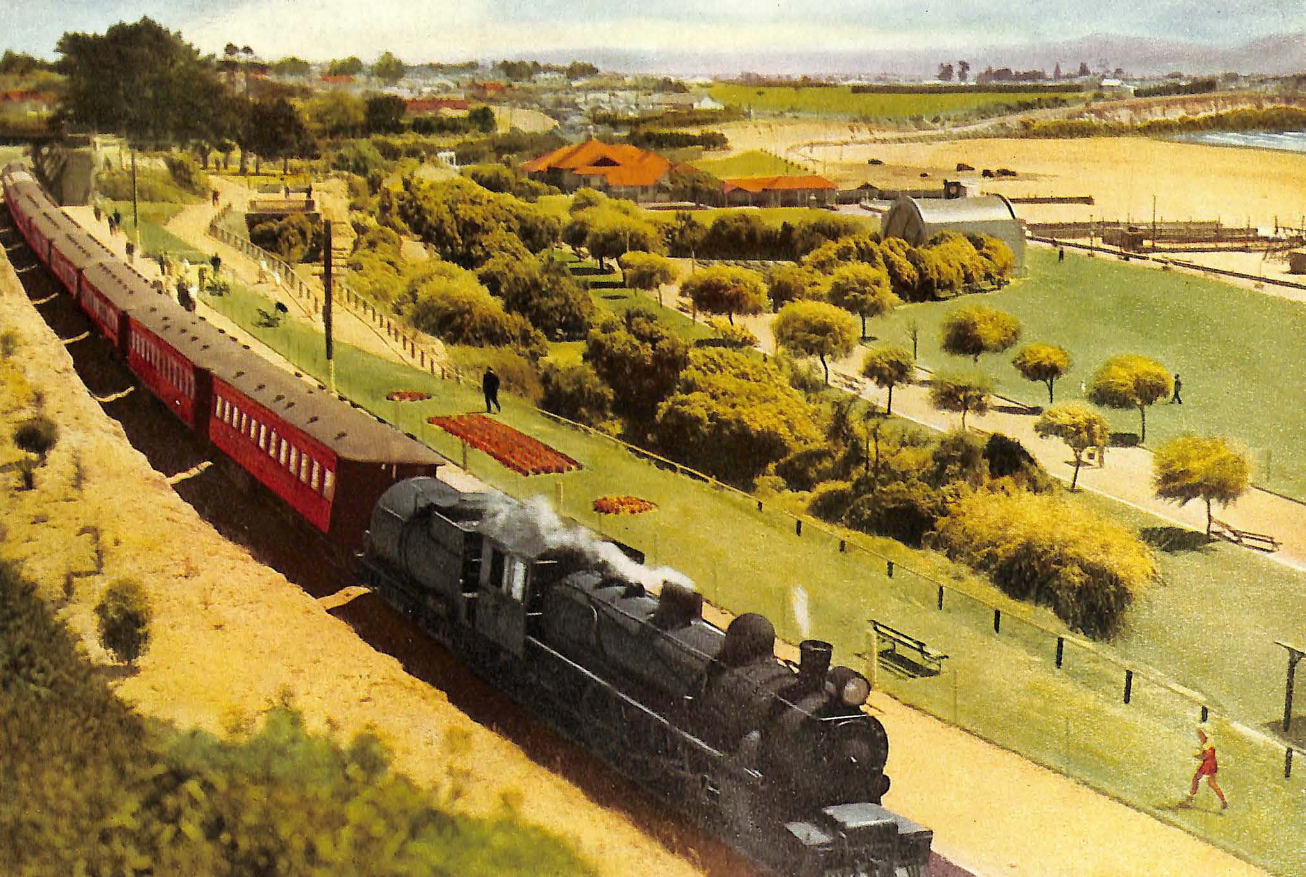
Publicity Branch, New Zealand Railways, Caroline Bay, Timaru (1937). Aoraki Heritage Collection, accessed 23/07/2026, https://aorakiheritage.recollect.co.nz/nodes/view/4359
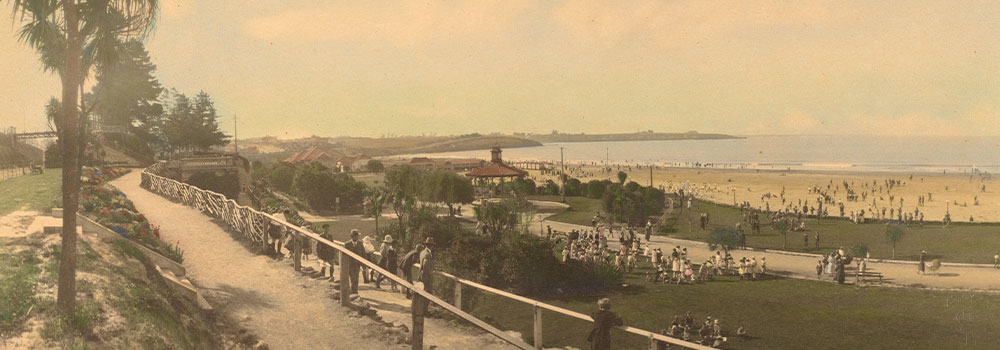
Caroline Bay, Timaru, 1920s, Timaru, by Havelock Williams. Image purchased 1999 with New Zealand Lottery Grants Board funds. Te Papa (O.020793)
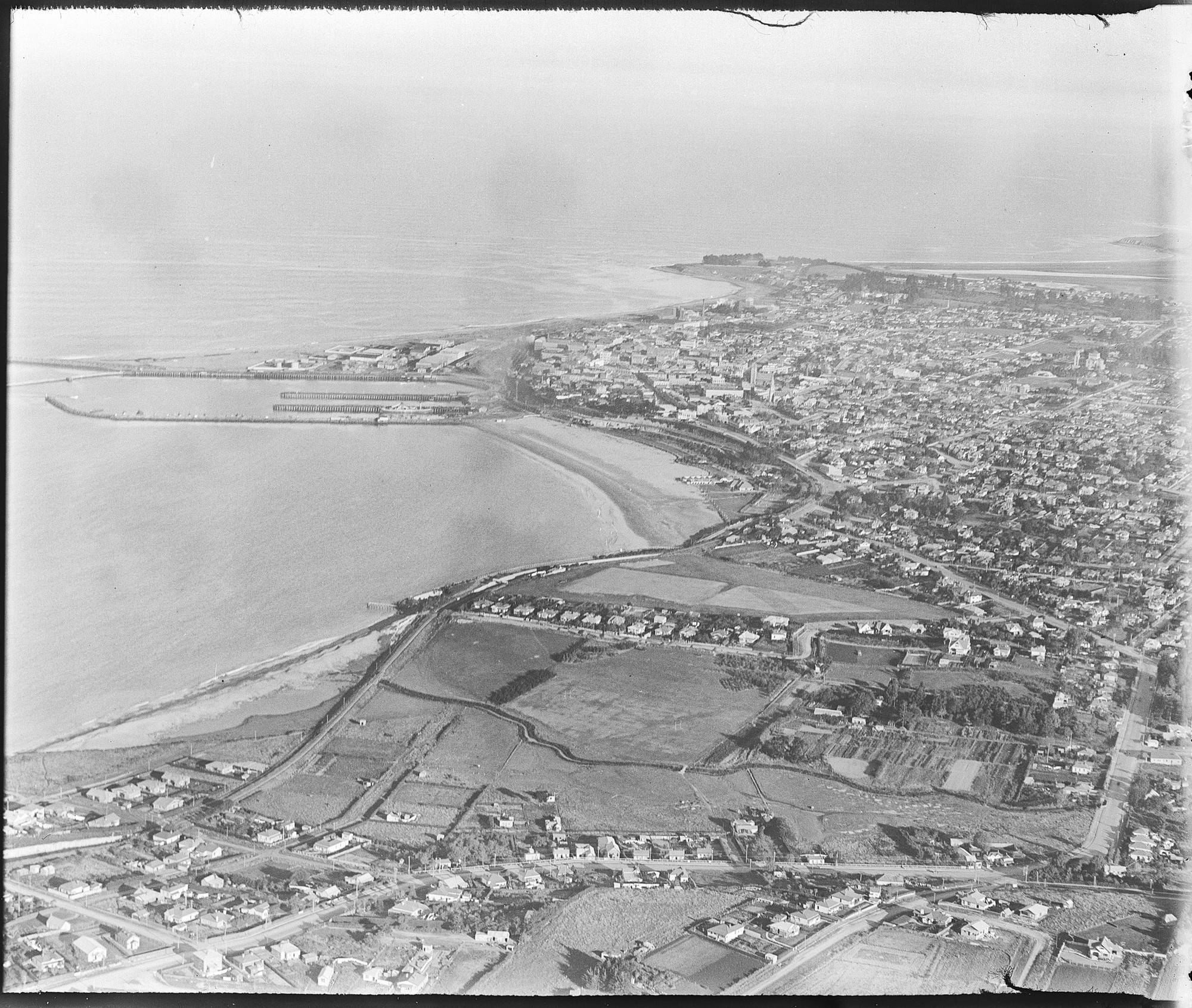
1927 Timaru from the air - Auckland Libraries Heritage Collections FDM-0690-G - Creative Commons Licence: Attribution CC BY
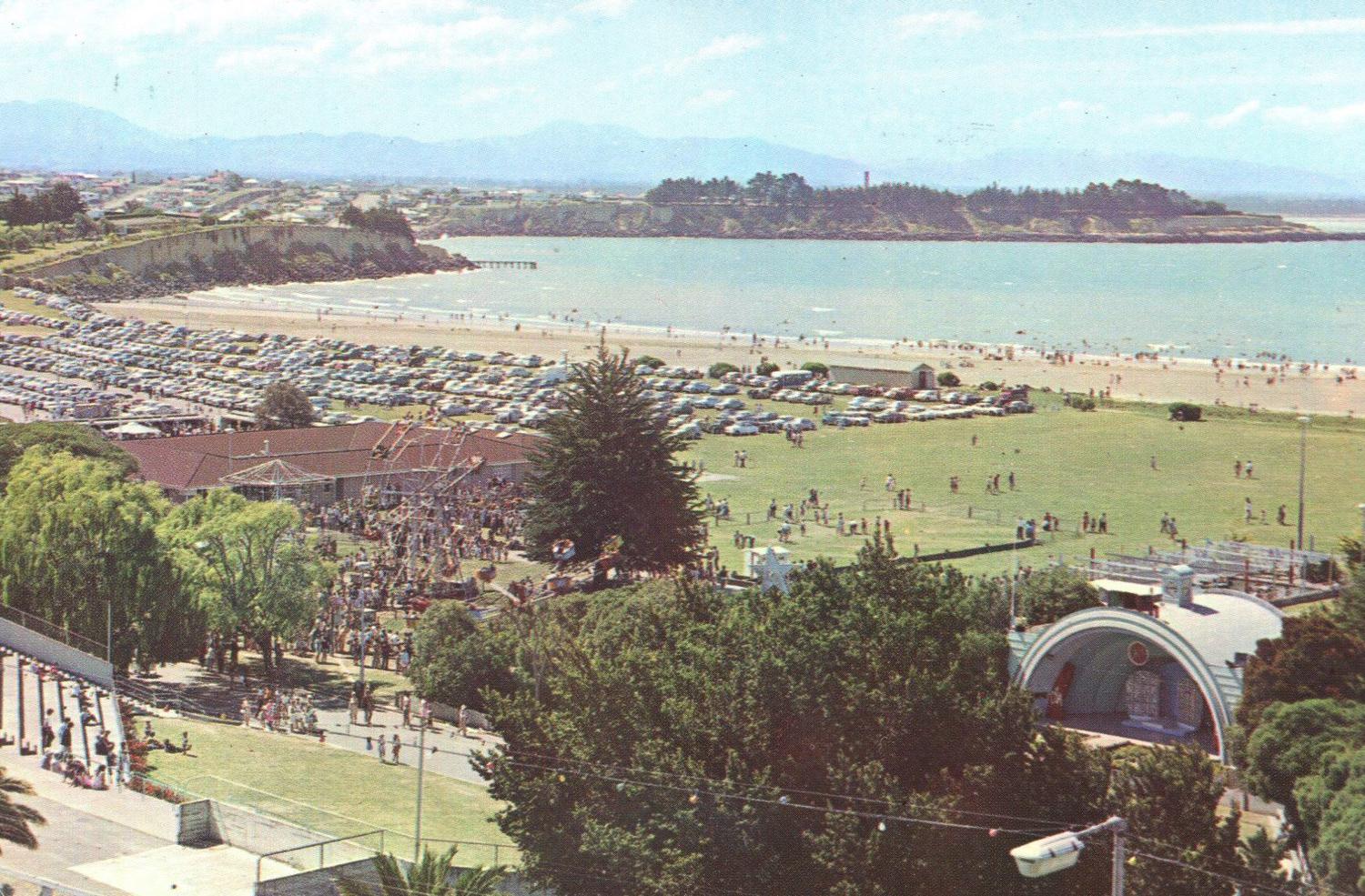
Caroline Bay - Summer Carnival in full swing - Gladys M Goodall - 1970’s - Photo Postcard Format #t1599
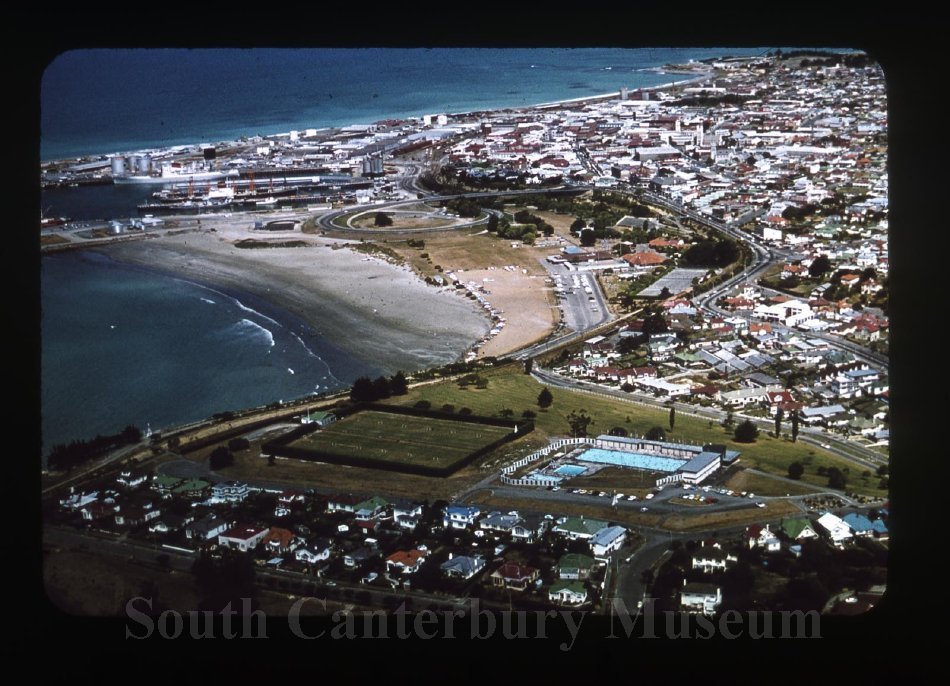
c. 1975 view of Maori Hill and Caroline Bay, Timaru Main School SCM 2018064.023
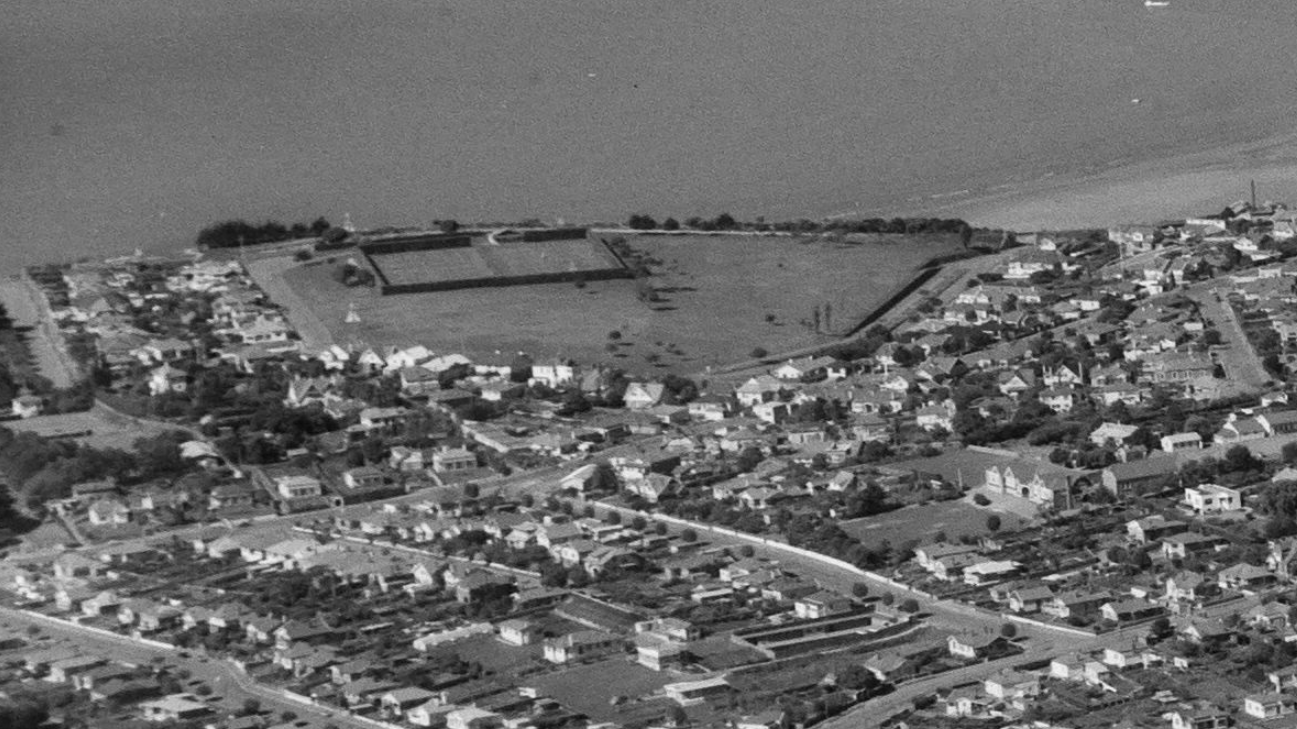
Timaru, South Canterbury. Whites Aviation Ltd: Photographs. Ref: WA-49660. Alexander Turnbull Library, Wellington, New Zealand. /records/32241113
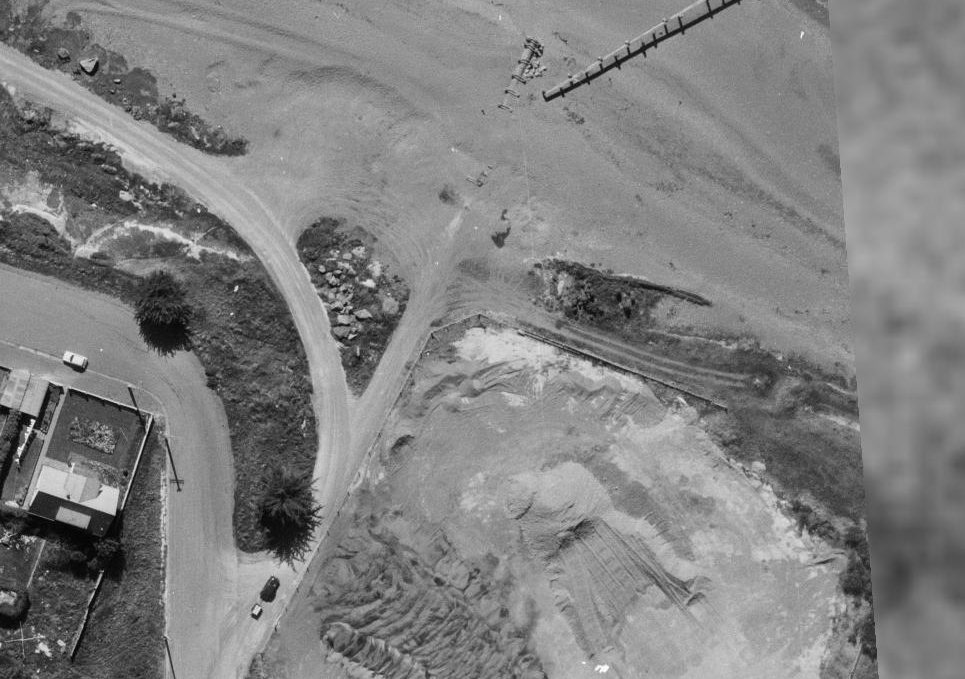
Patiti Point Historic Aerian Imagery 1970-74
SOURCES
Blackett’s Lighthouse. Heritage New Zealand Pouhere Taonga. Blackett’s Lighthouse, List No. 2044
Category 2 listing
architectural description and significance.
https://www.heritage.org.nz/list-details/2044/Blackett%27s%20Lighthouse
Alternative listing view: https://www.heritage.org.nz/list-details/2044/Listing
Government reports about the lighthouse Appendix to the Journals of the House of Representatives, 1878. Marine Department report. This provides contemporary information about the lighthouse contract, its size, character and expected lighting date.
Appendix to the Journals of the House of Representatives, 1879. Marine Department report confirming the light. This records that the Timaru lighthouse was first exhibited on 1 July 1878.
Black Sunday and the shipwrecks
Oamaru Mail, 15 May 1882 “Wrecks and Loss of Life at Timaru” A detailed contemporary report, republished from the Timaru Herald, describing the conditions, the movements of the vessels and the rescue attempts.
https://paperspast.natlib.govt.nz/newspapers/OAM18820515.2.11
Otago Daily Times, 16 May 1882 “The Timaru Shipwrecks” A substantial contemporary account of the disaster, Captain Mills, the Rocket Brigade and the rescue boats.
https://paperspast.natlib.govt.nz/newspapers/ODT18820516.2.10
South Canterbury Times, 16 May 1882 Captain Mills inquest This source records medical evidence and the verdict concerning Alexander Mills’s death.
https://paperspast.natlib.govt.nz/newspapers/SCANT18820516.2.11
Timaru Herald, 18 May 1882 “The Ship Benvenue a Total Loss, the Ship City of Perth Still Intact” A local follow-up report correcting details and recording further information about the rescue crews and wrecks.
https://paperspast.natlib.govt.nz/newspapers/THD18820518.2.36
The item is marked by the National Library as having no known copyright in New Zealand and may be copied or shared with acknowledgement.
New Zealand Times, 19 May 1882 “Terrible Shipping Calamity at Timaru” Another contemporary account of the wrecks, rescue attempts and loss of life.
https://paperspast.natlib.govt.nz/newspapers/NZTIM18820519.2.69
Parliamentary record, 1883 Statement of facts concerning the Timaru shipping disaster This official record was prepared in connection with recognising the people who attempted to save lives during the disaster.
https://paperspast.natlib.govt.nz/parliamentary/AJHR1883-I.2.1.2.1
Historic photographs of Black Sunday South Canterbury Museum Wreck of the Benvenue and City of Perth, William Ferrier, 15 May 1882
DigitalNZ record: https://digitalnz.org/records/42256050
Direct museum record: https://timdc.pastperfectonline.com/Photo/406FD16A-9B33-4B23-8456-137329208613
Auckland Libraries Wreck of the City of Perth and Benvenue, 14 May 1882
DigitalNZ record: https://digitalnz.org/records/37914096
Direct collection record: https://kura.aucklandlibraries.govt.nz/digital/collection/photos/id/310203
Auckland Libraries
Historic published view of the wrecks
DigitalNZ record: https://digitalnz.org/records/38517188
Direct collection record: https://kura.aucklandlibraries.govt.nz/digital/collection/photos/id/260068
Note that the DigitalNZ title incorrectly says 10 May 1882, while its description and the established historical record place the disaster on 14 May. This should be acknowledged rather than repeated uncritically.
Auckland Libraries Spectators viewing the wrecked ships
DigitalNZ record: https://digitalnz.org/records/38512038/dramatic-south-island-maritime-disaster-of-50-years-ago-the-wreck-of-the-sa
Direct collection record: https://kura.aucklandlibraries.govt.nz/digital/collection/photos/id/284040
Benvenue Memorial. Heritage New Zealand Pouhere Taonga. Benvenue Memorial, List No. 2045. Includes photographs of the memorial and inscription.
https://www.heritage.org.nz/list-details/2045/Benvenue%2BMemorial
The landing service
Te Ara
Frederic and Henry John Le Cren
Includes the establishment and development of Timaru’s landing service and Captain Henry Cain’s involvement.
https://teara.govt.nz/en/biographies/1l5/le-cren-frederic
Te Ara A private landing service. Provides information about the Timaru Landing and Shipping Company and the surviving Landing Service building.
https://teara.govt.nz/node/15920
Strong Work Morrison
Timaru Herald, 14 January 1909
Early Timaru directory information recording Morrison as a pilot
https://paperspast.natlib.govt.nz/newspapers/THD19090114.2.45.10
Timaru Herald, 14 January 1909
Recollection of the arrival of the Strathallan Names Strong Work Morrison as steer-oarsman in one of the surf boats.
https://paperspast.natlib.govt.nz/newspapers/THD19090114.2.45.6
Later recollection of the disaster
North Otago Times, 19 May 1927 “Wrecks off Timaru: City of Perth and Benvenue” A later anniversary account useful for comparison with the contemporary 1882 reports.
https://paperspast.natlib.govt.nz/newspapers/NOT19270519.2.12
Brett’s New Zealand and South Pacific Pilot
We need the exact edition, publication year, page number and preferably a scan of the passage about the two isolated clumps of trees.
Nature’s Gift to Timaru: The Story of Caroline Bay
We need the author, publication, date and page number for the passage about Woollcombe placing flags on the cliffs.
The Historic Places Trust preservation file
Each relevant minute, letter, newspaper clipping and photograph should be listed with its date and author so the people who saved the lighthouse can be properly named.