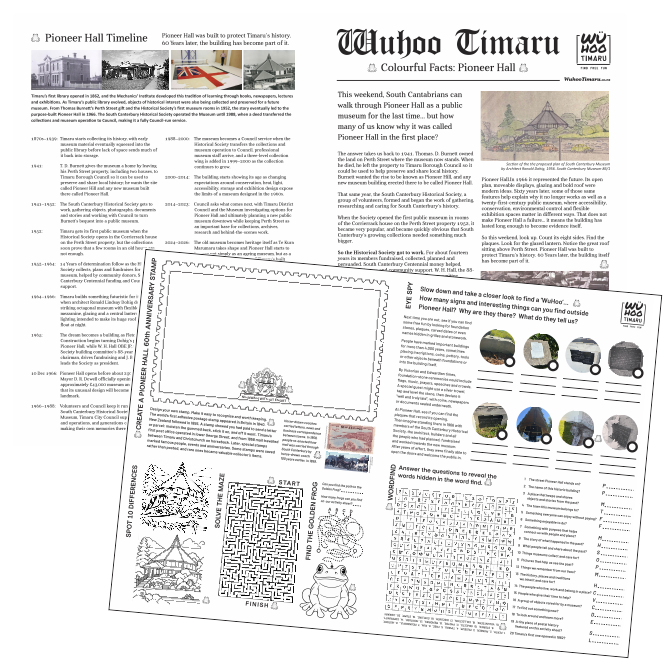
Download FREE FUN: Pioneer Hall Activity Sheet
Pioneer Hall has been home to the South Canterbury Museum for generations, holding objects, photographs and stories that help us understand the people and places of our region.
What I love about Museums is that they can give us something the internet cannot quite replace: the chance to stand in front of the real thing. You can look closely at its exterior... its size, shape, wear and detail. Think about who made it, used it, held it or kept it. Sometimes one object can make a story from the past suddenly feel very close.
WuHoo Timaru created this free activity sheet to help children and families explore Pioneer Hall, notice the little details and discover a few of the stories connected to the building and its collections.
Inside you will find a timeline, eye spy, maze, spot the difference, word find, anniversary activities and a few challenges to get you looking a little closer.
Whether you remember visiting Pioneer Hall as a child, explored it with your own family, or are discovering its story for the first time, we hope this helps you find a few more WuHoos in our South Canterbury story.
FREE. FUN. MEANINGFUL.

Pioneer Hall
Pioneer Hall has been part of South Canterbury’s story for generations. Built as the home of the South Canterbury Museum, it was designed by local architect Ron Dohig and opened in December 1966 after a major fundraising effort by the South Canterbury Historical Society. The unusual octagonal building, with its extensive use of glass and tin sheeting, made a striking addition to the city.
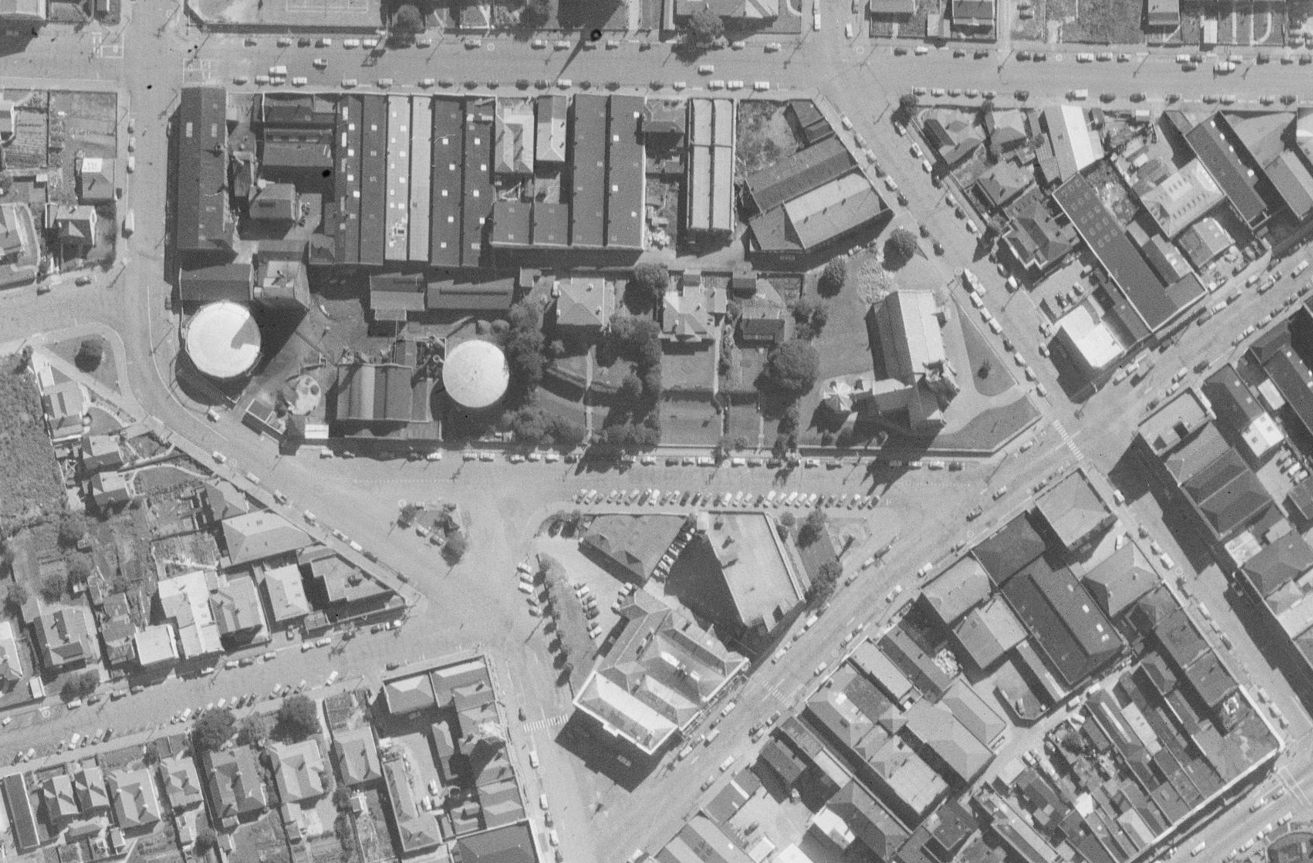
Perth Street NZAM Retrolens 26 2 1958 Detail
It was also a building of its time.
The design that made Pioneer Hall so distinctive eventually created challenges for a modern museum. The glass and building fabric made climate control difficult, the octagonal interior was not always easy to use for exhibitions, and the site presented access challenges for both people and large objects.
Over time the building changed to meet new needs. In 1999–2000, a three-level insulated collection storage wing was added to the south, along with curatorial workspaces, a workshop and materials storage.

On Labour Weekend 2026, Pioneer Hall entered another chapter.
Te Kura Marumaru South Canterbury Museum is becoming the public-facing home for exhibitions and programmes, while Pioneer Hall continues an important role behind the scenes. Timaru District Council is evaluating further redevelopment of the wider Perth Street building so it can continue as a whare taoka, or heritage collection centre, with public archives access and room for future collection growth.
Pioneer Hall was built to protect Timaru’s history and sixty years later, the building itself has become part of it.

Why tangible things matter
We can learn so much online now, but there is something different about standing in front of the real thing. Seeing its size. Its wear. Its detail. Knowing that someone made it, used it, held it or kept it.
Objects can make history feel close. Museums give us the chance to connect stories to real things, real people and real places. They help us understand where we have come from, how our communities have changed, and what we choose to carry forward. That is what we think makes places like Pioneer Hall so valuable.
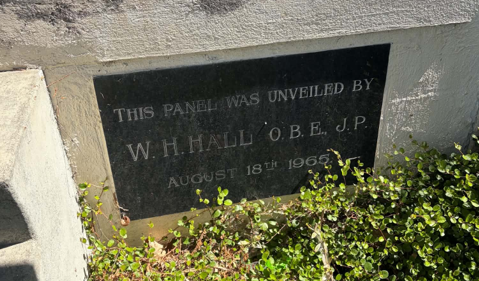
Pioneer Hall Plaque - Photo Keely Kroening 20/01/2026
1909 | Timaru asks: when will we have a museum?
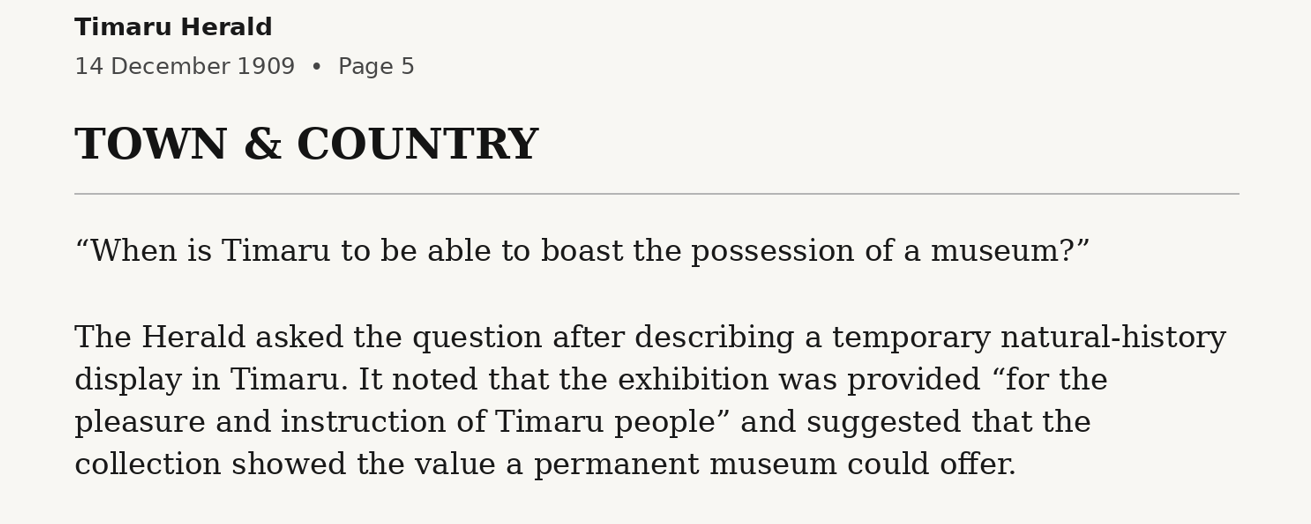
Timaru Herald, “Town & Country”, Volume XIIC, Issue 14082, 14 December 1909, p. 5. Papers Past, National Library of New Zealand. https://paperspast.natlib.govt.nz/newspapers/THD19091214.2.20
1950 | Burnett’s bequest, Pioneer Hill and Pioneer Hall:
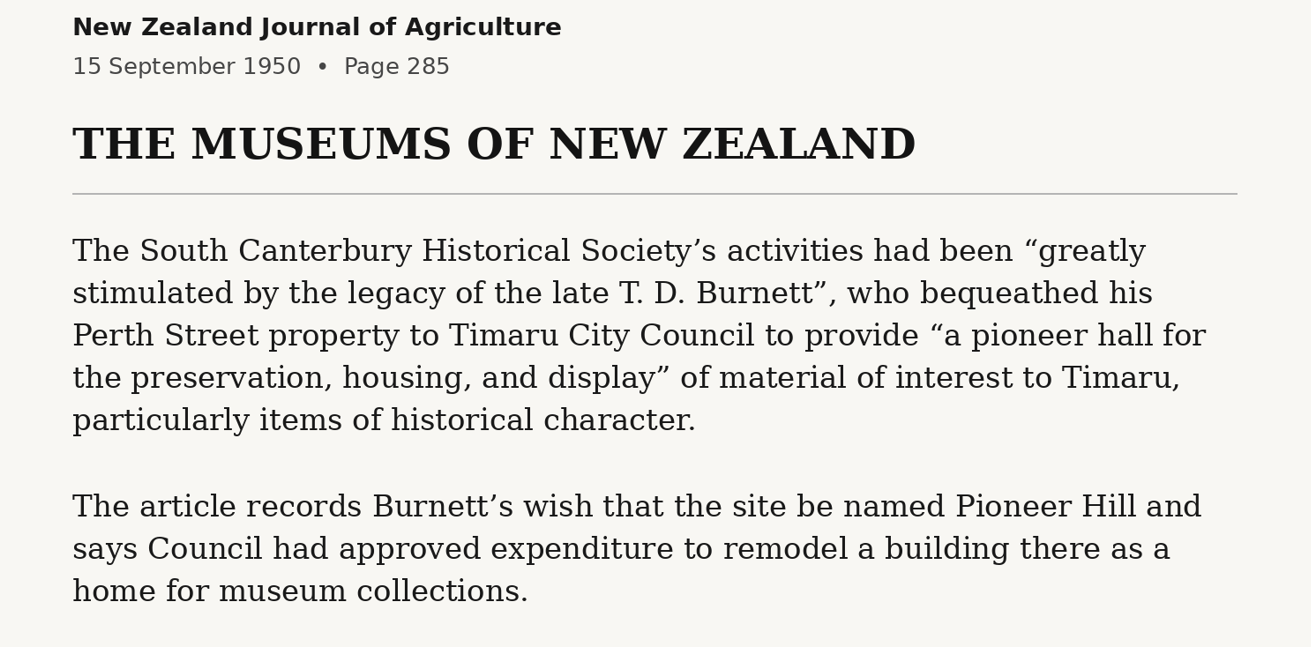
Enid B. V. Phillips, “The Museums of New Zealand”, New Zealand Journal of Agriculture, Vol. 81, Issue 3, 15 September 1950, p. 285. Papers Past, National Library of New Zealand. https://paperspast.natlib.govt.nz/periodicals/NZJAG19500915.2.58

Pioneer Hall Timeline
1870s–1930s: Timaru begins collecting its history, with early museum material eventually squeezed into the public library before lack of space sends much of it back into storage.
1941: T. D. Burnett leaves his Perth Street property, including two houses, to Timaru Borough Council so it can be used to preserve and share local history. He wants the site called Pioneer Hill and any new museum built there called Pioneer Hall.
1941–1952: The South Canterbury Historical Society begins gathering objects, photographs, documents and stories, working with Council to turn Burnett’s bequest into a public museum.
1952: Timaru’s first public museum opens in the Corrierrack house on the Perth Street property. The collections soon prove that a few rooms in an old house are not enough.
1952–1964: The Historical Society spends around 14 years collecting, planning and fundraising for a purpose-built museum, helped by community donors, South Canterbury Centennial funding and Council support.
1964–1966: Architect Ron Dohig designs a striking octagonal museum with flexible displays, a mezzanine, extensive glazing and a central lantern.
1965: Fletcher Construction begins turning the plans into Pioneer Hall. W. H. Hall OBE JP, the Historical Society building committee’s 88-year-old chairman, plays a major role in fundraising, while J. B. Hamilton serves as Society president.
December 1966: Pioneer Hall opens after a major fundraising effort by the South Canterbury Historical Society to meet the £48,500 cost.
1966–1988: The South Canterbury Historical Society operates the museum, with Timaru City Council supporting staffing and operations. Generations of visitors begin making their own memories there.
1988–2000: The museum becomes a Council service when the Historical Society transfers the collections and museum operation to Council.
1999–2000: A three-level insulated collection storage wing is added to the south of the building, along with curatorial workspaces, a workshop and materials storage.
2000–2014: Changing expectations around conservation, climate control, accessibility, storage and exhibition design make the limitations of a 1960s museum building increasingly clear.
2014–2023: Timaru District Council and the Museum investigate options for Pioneer Hall and plan a new public museum downtown.
2024–2026: Pioneer Hall begins to be seen not simply as an ageing museum building, but as a distinctive and much-loved piece of Timaru’s built history.
2026: Pioneer Hall retires as the public-facing South Canterbury Museum after almost 60 years of welcoming visitors.
2027 and beyond: Te Kura Marumaru becomes the public-facing home for South Canterbury’s exhibitions and programmes, while Pioneer Hall continues another chapter as a whare taoka, caring for heritage collections, providing public archives access and allowing room for future collection growth.
Explore Pioneer Hall
WuHoo Timaru created this free activity sheet to help children and families look a little closer at Pioneer Hall, its architecture and the stories connected to it. Inside you will find a timeline, eye spy, maze, spot the difference, word find, anniversary activities and challenges designed to help you notice details you might otherwise walk past. Whether you remember visiting Pioneer Hall as a child, explored it with your own family, or are discovering its story for the first time, we hope this helps you find a few more WuHoos in our South Canterbury story.
FREE. FUN. MEANINGFUL.
Sources:
Absolutely. Here are the full source links, one by one:
1. Burnett property / Pioneer Hill before Pioneer Hall
South Canterbury Museum, Winter 2017 newsletter, p.3
https://museum.timaru.govt.nz/__data/assets/pdf_file/0019/129142/WEB-2017-June-Museum-News.pdf
2. First South Canterbury Museum in the Perth Street house, opened 1952
South Canterbury Museum, Autumn 2015 newsletter, p.2
https://museum.timaru.govt.nz/__data/assets/pdf_file/0003/38037/Museum-News-2015-Autumn.pdf
3. Pioneer Hall nearing completion, 1966
South Canterbury Museum, Winter 2017 newsletter, p.3
https://museum.timaru.govt.nz/__data/assets/pdf_file/0019/129142/WEB-2017-June-Museum-News.pdf
4. Official opening of Pioneer Hall, 10 December 1966
South Canterbury Museum, Winter 2017 newsletter, p.3
https://museum.timaru.govt.nz/__data/assets/pdf_file/0019/129142/WEB-2017-June-Museum-News.pdf
5. Drawing-room display prepared for the 1966 opening
South Canterbury Museum, Winter 2017 newsletter, p.3
https://museum.timaru.govt.nz/__data/assets/pdf_file/0019/129142/WEB-2017-June-Museum-News.pdf
6. Pioneer Hall postcard view, 1970s
South Canterbury Museum, Winter 2017 newsletter, p.3
https://museum.timaru.govt.nz/__data/assets/pdf_file/0019/129142/WEB-2017-June-Museum-News.pdf
7. Collection Wing construction, late 1999
South Canterbury Museum, Autumn 2015 newsletter, p.2
https://museum.timaru.govt.nz/__data/assets/pdf_file/0003/38037/Museum-News-2015-Autumn.pdf
8. Edwardian drawing-room diorama
South Canterbury Museum, Autumn 2015 newsletter, p.3
https://museum.timaru.govt.nz/__data/assets/pdf_file/0003/38037/Museum-News-2015-Autumn.pdf
9. Māori history display, 1991
South Canterbury Museum, Autumn 2015 newsletter, p.3
https://museum.timaru.govt.nz/__data/assets/pdf_file/0003/38037/Museum-News-2015-Autumn.pdf
10. 1968 Timaru time capsule opening event, 2000
South Canterbury Museum, Autumn 2015 newsletter, p.3
https://museum.timaru.govt.nz/__data/assets/pdf_file/0003/38037/Museum-News-2015-Autumn.pdf
11. School class at the Museum, 2012
South Canterbury Museum, Autumn 2015 newsletter, p.3
https://museum.timaru.govt.nz/__data/assets/pdf_file/0003/38037/Museum-News-2015-Autumn.pdf
12. Richard Pearse aeroplane replica suspended inside Pioneer Hall
Wikimedia Commons image
https://upload.wikimedia.org/wikipedia/commons/e/ee/Pearse_aeroplane_replica%2C_South_Canterbury_Museum-2.jpg
13. Children opening butterfly specimen drawers
Otago Daily Times image
https://www.odt.co.nz/sites/default/files/story/2025/09/tc22holsmuseum1.jpg
14. Natural-history gallery / interactive displays
Venture New Zealand image
https://venturenewzealand.co.nz/uploads/61c3cd5ca6526_1640222044.jpg
15. Modern exterior of Pioneer Hall
Contemporary online photograph
https://whatsonaotearoa.nz/cdn/shop/files/672687310_27003137159270210_5414403470910182159_n.jpg?v=1776647726
Want to learn more?
Read this article: nzherald.co.nz/11534655
Look at South Canterbury Musuem newsletter celebrating Pioneer Hall's birthday: museum.timaru.govt.nz/2017-June-Museum-News.pdf
See the License to occupy Crown Lands for Run 83: timdc.pastperfectonline.com/643614552353
Read about the "Museum Building Celebrates Half a Centrury" in the Timaru Herald: pressreader.com/20161210/281681139507877 and here: pressreader.com/281917358733516
Look at the Burnett Family Album: timdc.pastperfectonline.com/031969213318
Read this fantastic article about T.D. Burnett (1877-1941): sites.rootsweb.com/Burnett
Visit the St David's Memorial Church designed by Herbert H. Hall in Cave that T.D Burnett funded. "An enduring tribute to the Pioneers of the Mackenzie County dominates the hillside." sites.rootsweb.com/cavechurches Over the road is Aorangi Home with the impressive walled gate
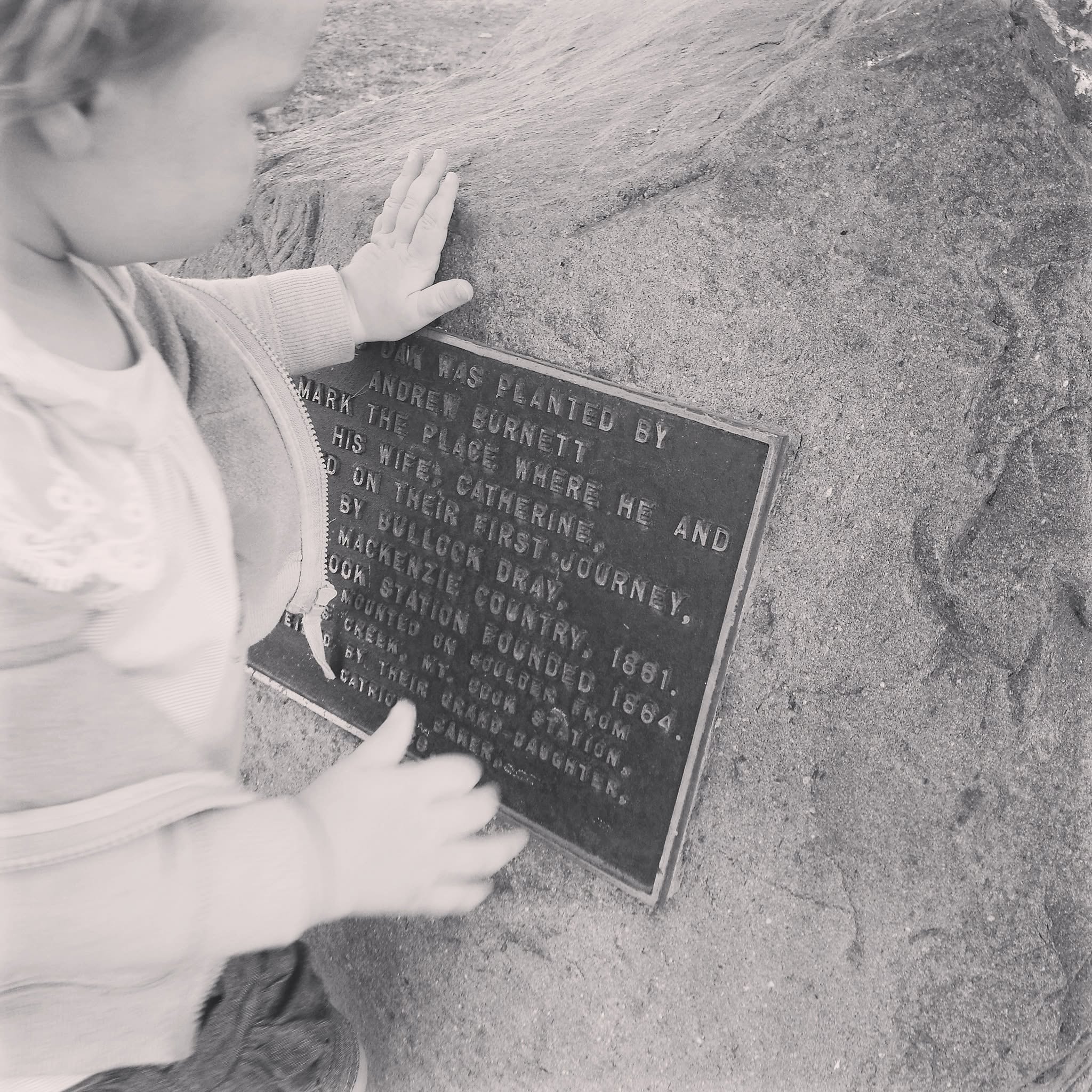
Visit the Burnett Oak and read the plaque underneith on Perth Street, Timaru. It is on a Boulder from Mt. Cook Station, 1986. It is a protected tree on the list of scheduled trees sata sheet: web.archive.org/List-of-Scheduled-Trees.pdf more info is here: sites.rootsweb.com/trees.htm
Visit the Timaru Cemetery and the cenotaph for the Burnett family: Catherine MacKay Wife of Andrew Burnett 1837-1914 Row 84 plot 209. Andrew Burnett 1838-1927. MEMORIAL ID 155744604 www.timaru.govt.nz/cemetery-searchId=4884