
By Roselyn Fauth
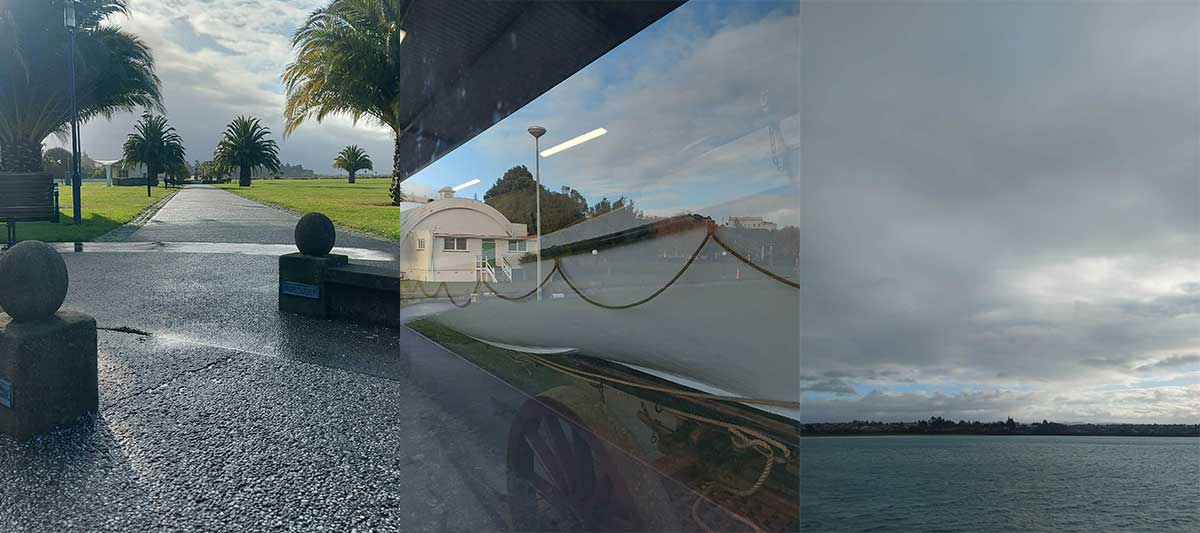
Today I was going to be doing some filming at Caroline Bay about the Alexandra lifeboat, and about the team effort behind bringing her back to the Bay... at one stage it was properly pouring down and freezing wind, I having been looking out the window from my warm office bracing myself for the polar blast outside.
I was a bit disappointed, to be honest, because I prefer filming in more comfortable conditions, like sunshine. At the last minute the videographer pulled the pin and rescheduled. Phew. To prepare for the filming I had been reviewing my research so I had it ready at the top of my head, which is what prompted today's blog.
But then I looked at Alexandra and remembered that this vessel was not built for good weather... she was built for storms. The Alexandra Lifeboat is believed to be one of the oldest surviving lifeboats of her type in the world, a rare survivor from the early age of self-righting rescue boats.
She was built in Britain in 1862 and brought to Timaru in 1863, ordered by the Canterbury Provincial Government for a town whose ships anchored offshore in an exposed roadstead. When the sea rose suddenly, lives were genuinely at risk. Before the port made the coastline safer and more controlled, cargo and passengers moved between ships and shore by smaller boats. The Alexandra helps people understand that Caroline Bay was once part of a working, risky maritime landscape, not just the relaxed beach we know now.

Take your mind back to 1862.
The Alexandra had been built in the UK and was shipped out for sea rescues at a time when Timaru was still an exposed open roadstead. Smaller vessels ferried cargo and passengers between ships and the shore. The weather could turn quickly, and the sea could become dangerous even when there was very little wind.
That was often when things went wrong here, keeping in mind many of the ships in this era were powered by sails. And if the sea kicked up with little wind, it was tricky to tact to the safety of deeper waters. Sometimes ships lost their anchor and could drift helplessly into the shore.
The signal gun would fire, and locals would race to help, either with the Alexandra lifeboat crew or the Rocket Brigade crew. These rescues depended on people who were brave, practical, skilled, and willing to go out when the conditions were dangerous.
So perhaps today’s weather was appropriate for the filming after all... well the point was to gain good footage and the footage for the brief in stormy conditions wouldn't have worked. But despite the weather and the rescheduling the preparing has helped me remember why this boat matters.
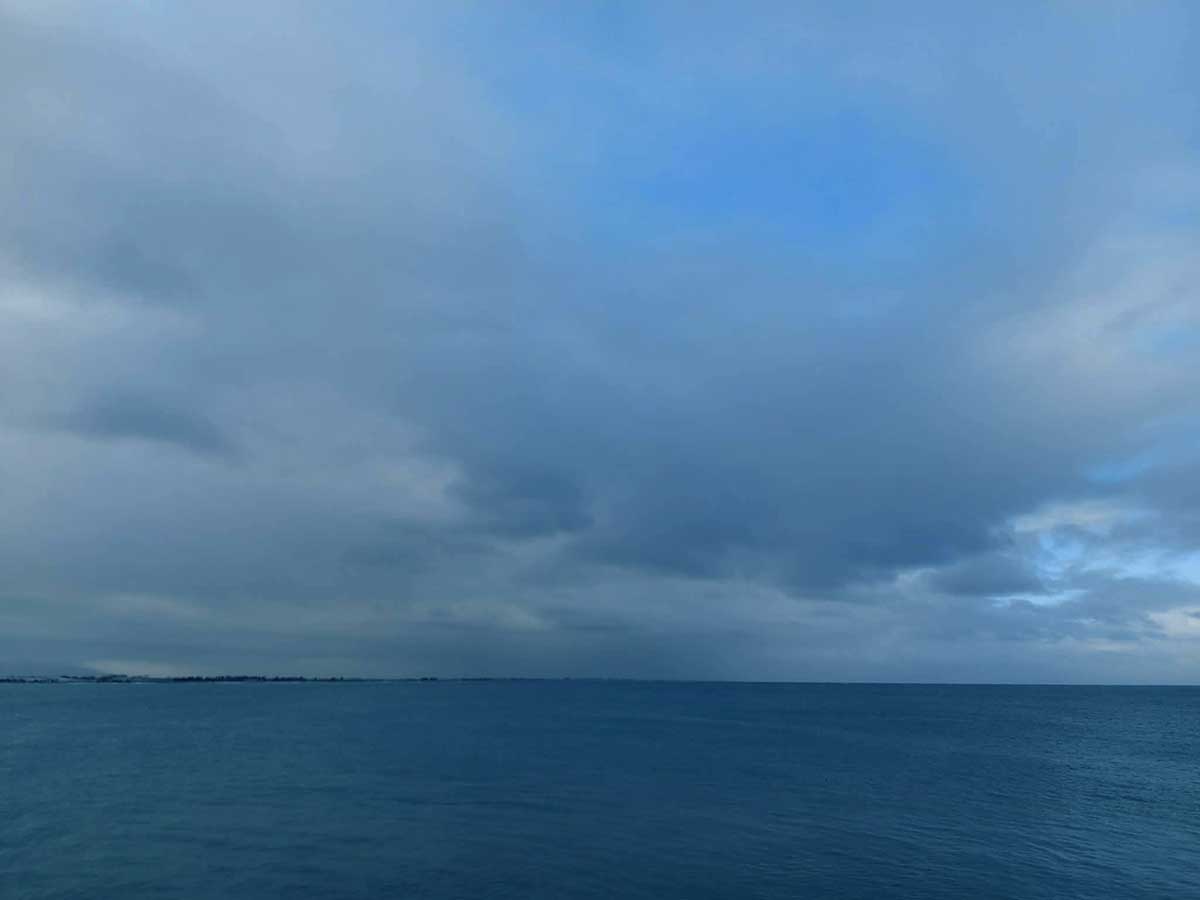
It would be easy to assume Alexandra is just an old boat sitting in a shelter. But she is a really important tangible object.
She helps us remember the history of our coastline, Timaru’s early colonial maritime chapter, and, of course, the much older mana whenua relationship with this place, long before European harbour works, lifeboats and official rescue systems arrived to manage the risk of the sea.... Alexandra belongs to one chapter of that bigger coastal story.
Alexandra followed the self-righting lifeboat design developed by James Peake, Assistant Master Shipwright at HM Dockyard, Woolwich, after earlier lifeboat designs had been tested and improved through the Royal National Lifeboat Institution. Queen Victoria had granted the institution its Royal Charter in 1854, helping formalise this new national approach to saving lives at sea, and Peake’s design became part of that world-leading Victorian lifesaving technology. Timaru’s lifeboat was built in Britain, shipped to New Zealand, and christened Alexandra after Princess Alexandra of Denmark, who married Queen Victoria’s eldest son, Albert Edward, Prince of Wales, in 1863 and later became Queen Alexandra.
 Shipyard where the Alexandra was built, Britain. Based on a image of Messrs Forrest of Limehouse life-boat building yard where Alexandra Timaru Lifeboat was built - The Illustrated London News Google Books - Page 478
The Alexandra was ordered by the Canterbury Provincial Government, after local concern grew about the danger of rescues on Timaru’s exposed roadstead. On 18 June 1862, the Canterbury Provincial Secretary wrote to London to order a purpose-built lifeboat: double-ended, 33 feet long, six feet in beam, with a launching carriage, six pulling oars and a steersman. She cost a little over £300 and came out to Canterbury in 1863 aboard the immigrant ship Huntress, before being sent on for Timaru. Not long after her arrival, the town had a public holiday to mark the marriage of Edward, Prince of Wales, to Princess Alexandra of Denmark. The new lifeboat was drawn through town on a carriage, christened by Miss Chisholm, daughter of a prominent local resident, in front of almost the whole population, and named Alexandra in honour of the Prince’s bride.

1856 LIFEBOAT, DESIGNED BY JAMES PEAKE, ESQ.. ASSISTANT MASTER SHIPWRIGHT AT H.M. DOCKYARD, WOOLWICH. ADOPTED BY THE ROYAL NATIONAL LIFEBOAT INSTITUTION. CONSTRUCTED BY MESSRS. FORRESTT, OF LIMEHOUSE. illustration By J Peakes. Published in The Engineer, Vol 201, P20. READ THE ENGINEER'S 1856 ARTICLE ON PEAKE'S LIFEBOAT. The lifeboat Alexandra, built in Britain and shipped to New Zealand, followed the self righting design developed by James Peake for the Royal National Lifeboat Institution. While based on standard RNLI lifeboat patterns, boats supplied to colonial ports were often built with slight variations in width and fittings to suit local surf conditions and long distance transport. This also has some fantastic information: rnli.org/archive-and-library
While the boat was involved in multiple rescues, her most famous story is Black Sunday, 14 May 1882.
That was the day the Benvenue was wrecked below the cliffs at Caroline Bay. The City of Perth then lost her anchor and drifted too. Attempts were made to salvage the ships, and during those efforts about 40 men ended up in the boiling sea needing rescue.
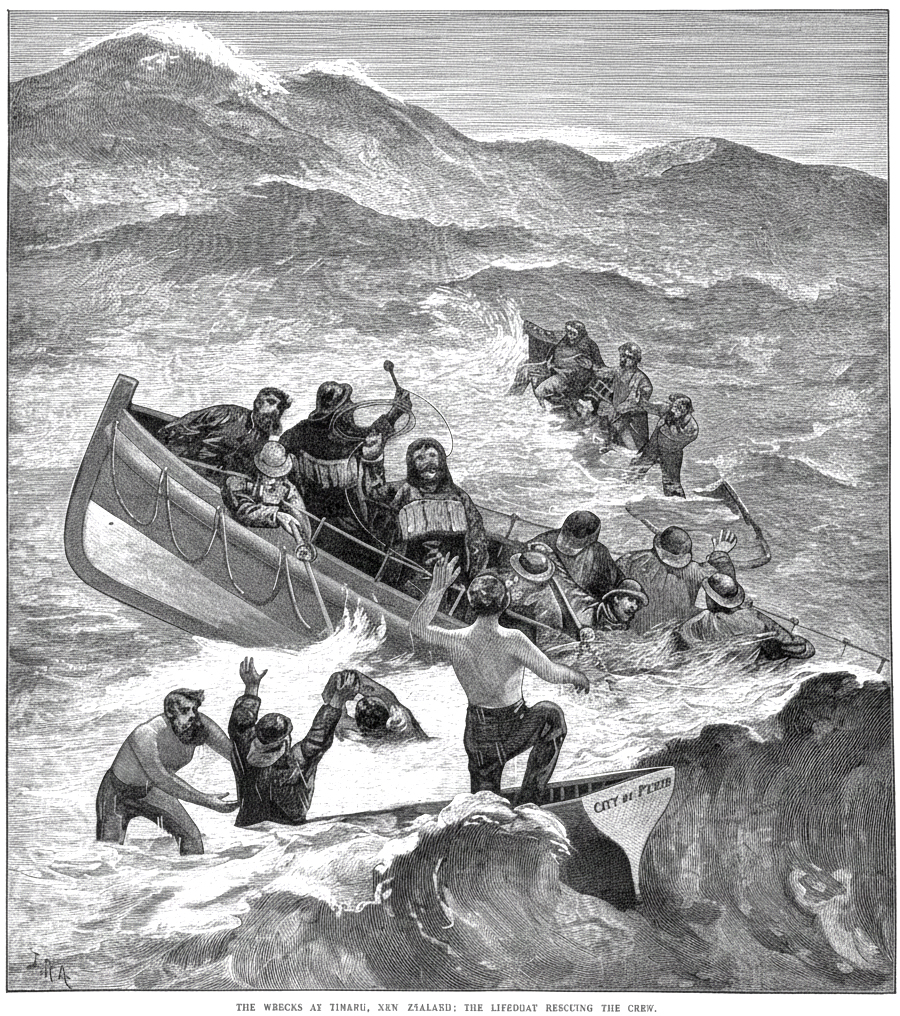
He imagined what it was like for those brave men in 1882 to row to the rescue of scenes like this.
The sea was so wild there was only one boat that could help... that was Alexandra.
Thousands of people gathered along the cliffs that day and watched in horror as friends, family members and rescuers struggled in the water. The Alexandra repeatedly rolling and righting herself, helping bring men back from the surf. Ten men were lost, but many survived because rescuers kept going. The story became international news. There was a huge effort to support those affected, and to remember those who had died.
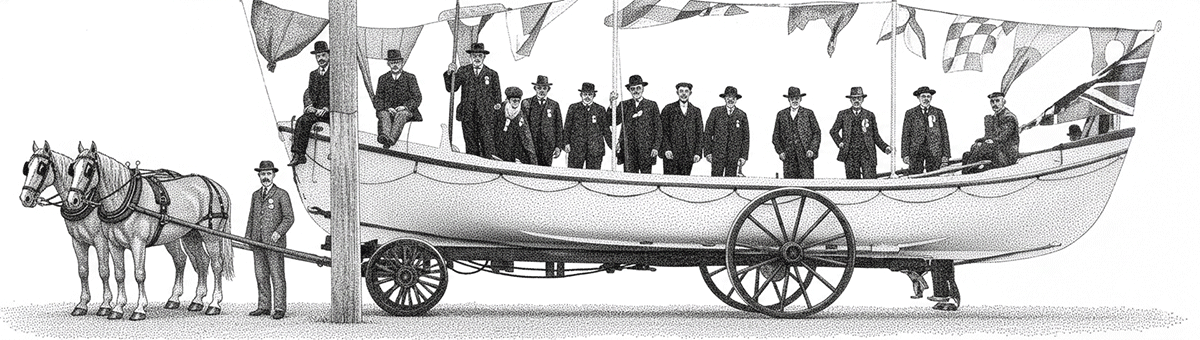
Anniversary of Black Sunday parade. Illustration based on South Canterbury Museum photo 1543. Three Timaru Harbour Board floats, pictured at the wharf, prepared for the South Canterbury Jubilee Parade, Timaru, January 1909. Includes the Alexandra Lifeboat and crew, a float with a billboard displaying details of imports and exports at Timaru Harbour at the time and 50 years earlier.
Alexandra became a ceremonial symbol to Timaru’s colonial maritime chapter, but the coast has a much older history too. Mana whenua knew, travelled and worked this coastline long before European harbour works, lifeboats and official rescue systems arrived.
When I was a kid in the 1980s, she was on display at the Bay, a visible connection to Black Sunday and to the Bay’s wider sea history. Then the boat was relocated for repairs. She lived for a time in the Landing Service building, then moved out to make way for the Te Ana Māori Rock Art Centre. After that, she sat in storage for many years, cared for by a few dedicated volunteers, until the big push began to bring her back to the Bay.
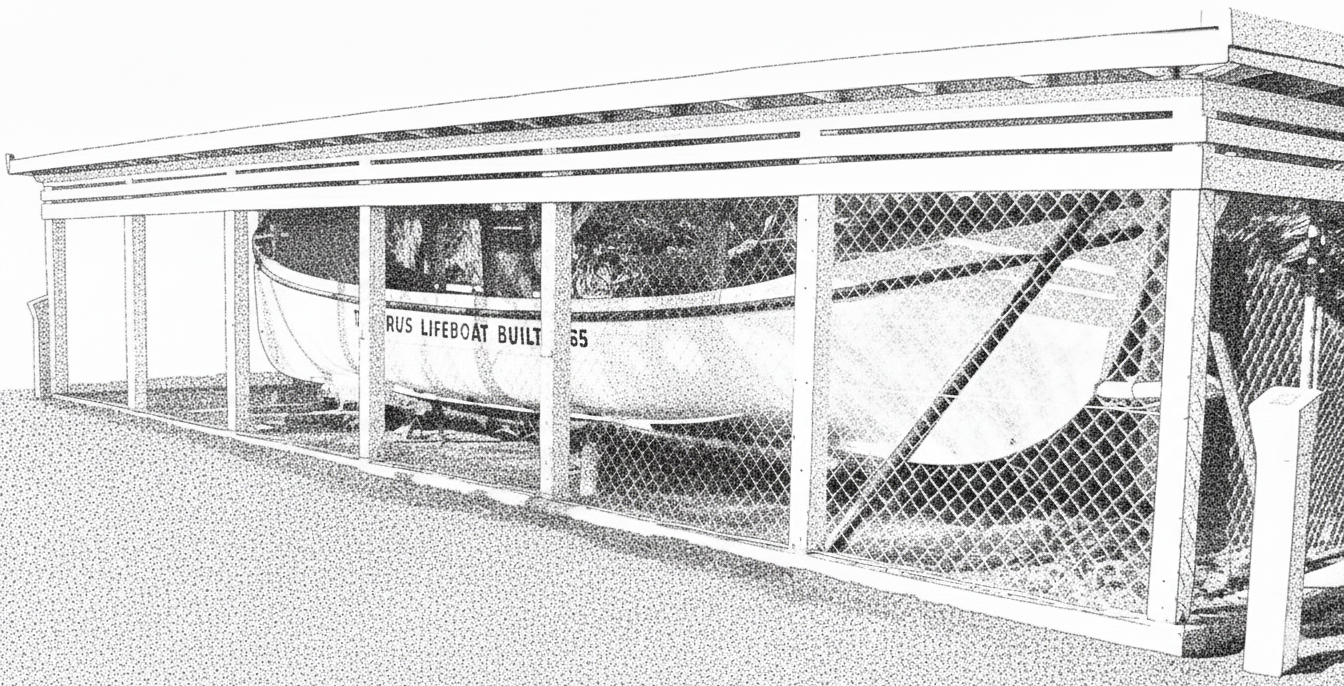
The lifeboat was brought back to the bay on the 50th Anniversary of Black Sunday. It was relocated to the Timaru Landing Services Building on George Street to be rennovated and put back on public display.
That is why so many people have cared about bringing her back into public view. People like Philip Brownie, my dad Geoff Cloake, the Lions, supporters through Aoraki Foundation, and many others did not put time, energy, money and effort into this because it was a quick or easy project.
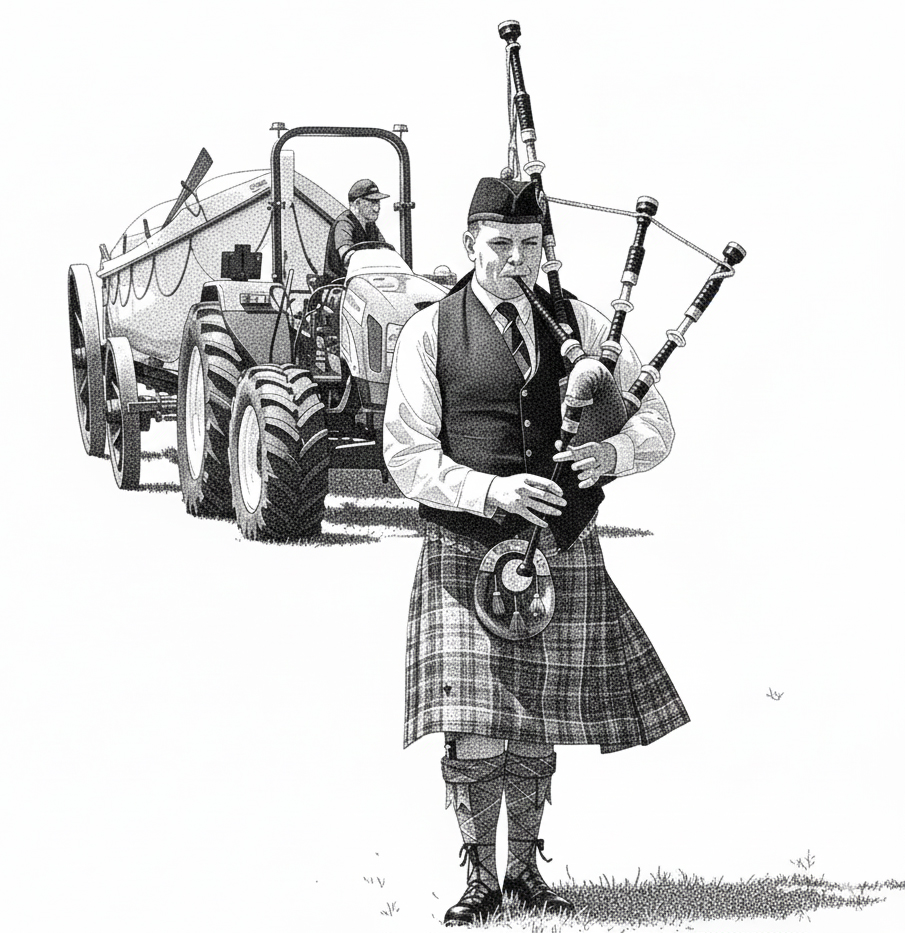
A piper marched in front of the lifeboat and escorted it onto the Bay. The Lifeboat was walked across the grass by members of the Timaru Host Lions, and pulled by the local Coast Guard to the waiting crowd.
My small part has been helping with the storytelling signage. Dad has talked about this boat for years. He has a massive folder of information he has researched and then pushed into a database. It was our collaboration that helped bring the information panels to the Bay, to boil the story down and carry enough good information to make the boat shelter more meaningful.
That has been a privilege, and also a challenge, because Alexandra’s story is not small. A few signs cannot hold the full story, but I think where we have washed up gives people a good factual overview.
I see my role as creating a doorway for people to learn more about the boat, about our coast, and about where we have come from. These stories help us understand who we are today, and they can help us make better decisions for the future.
Lifesaving sea rescues on our coast are high-tech now compared with the equipment of the 1860s, but the courage behind them is still very real.
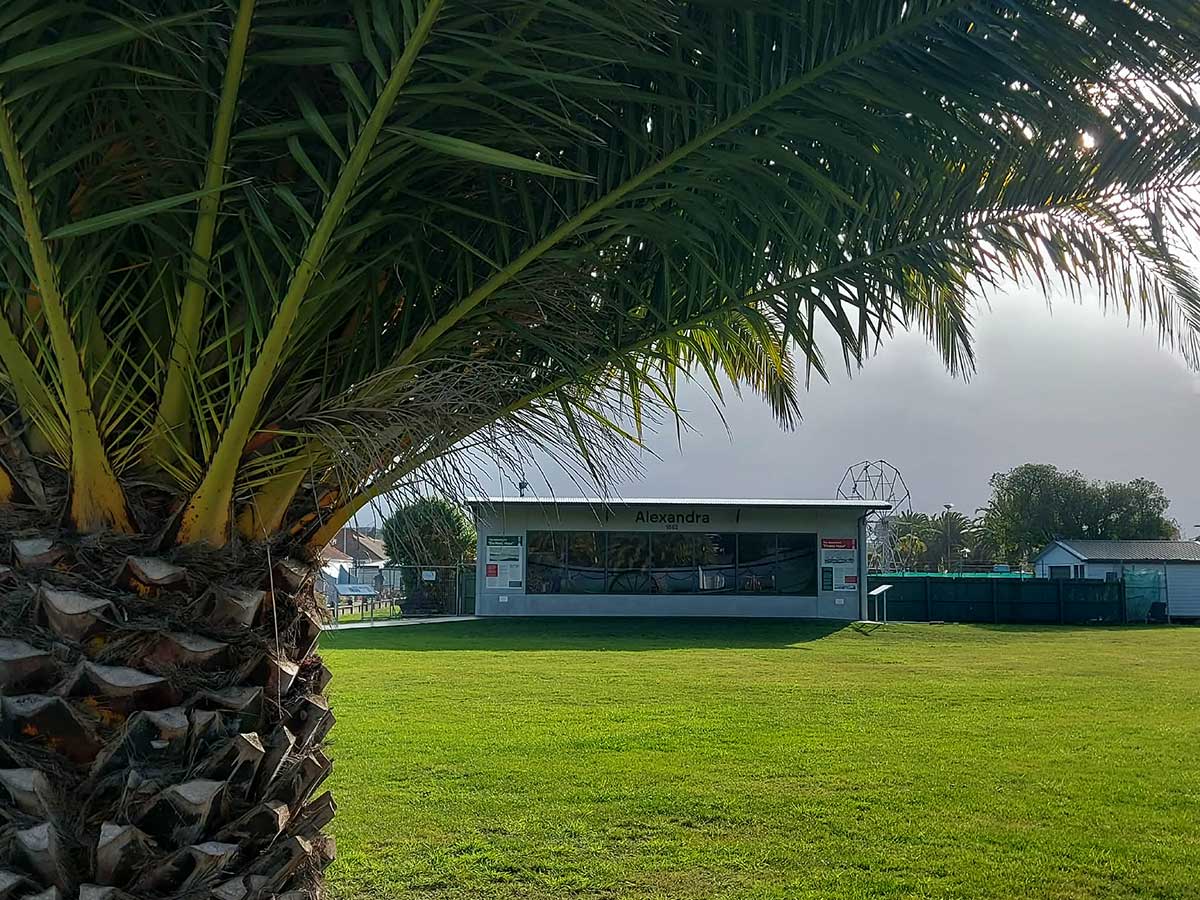
The recent return of Alexandra to Caroline Bay was not just about housing an old boat. It was about protecting a rare survivor, making her visible again, and helping people understand the courage, loss, rescue work and community effort connected with her. The Timaru Host Lions led a major fundraising campaign to re-home her in a new shelter behind the Soundshell.
Thank you to the volunteers of the past, and the volunteers of today, who do what they do so bravely for others.
So today, while the rain came down and my sunny filming dreams were rescheduled, Alexandra probably looked more at home than I did.
The lifeboat’s story was never about perfect weather... it was about what people did when the weather turned.
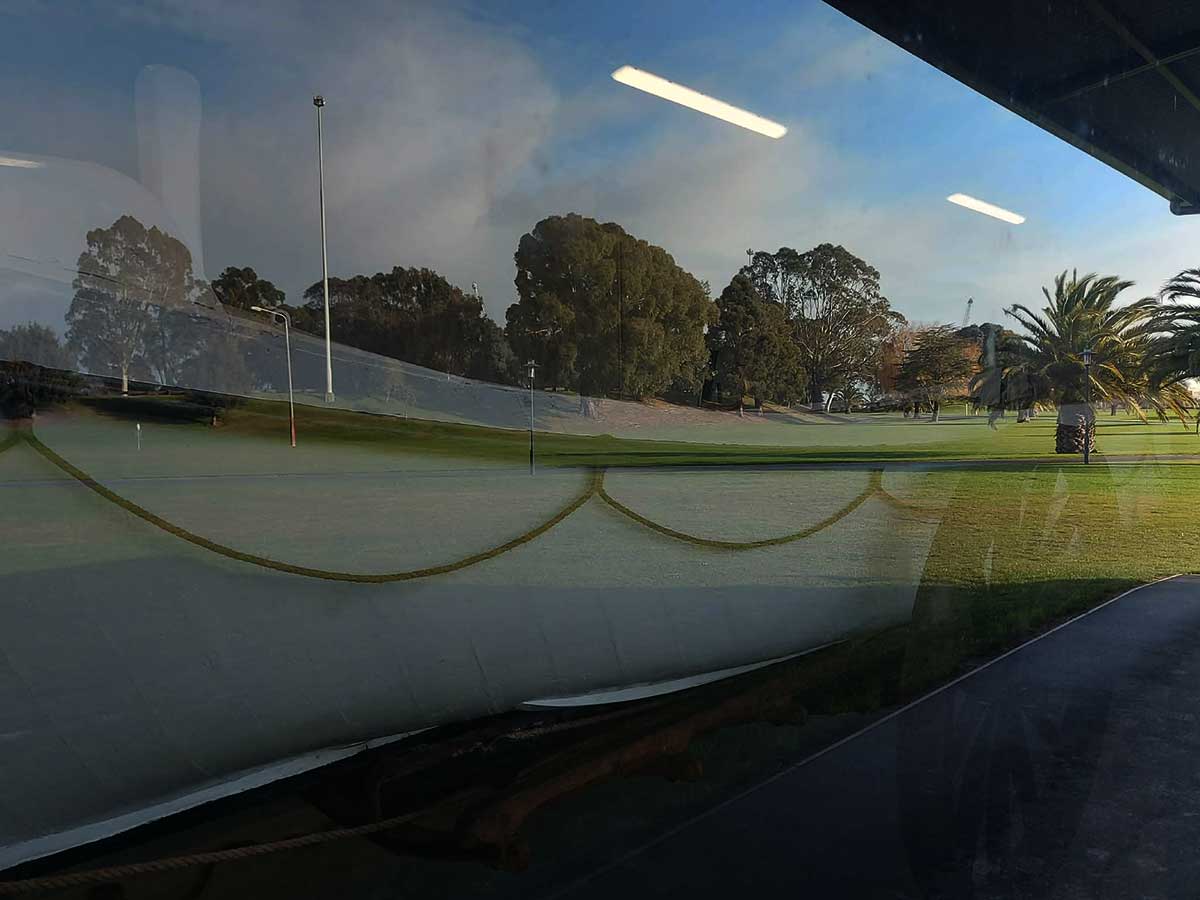
For those who have noticed Alexandra back at Caroline Bay, but have not yet had a chance to learn her story, I have put together a recap on WuHoo Timaru.
Read it here: https://wuhootimaru.co.nz/alexandra-lifeboat
