Location: Smithfield, north Timaru
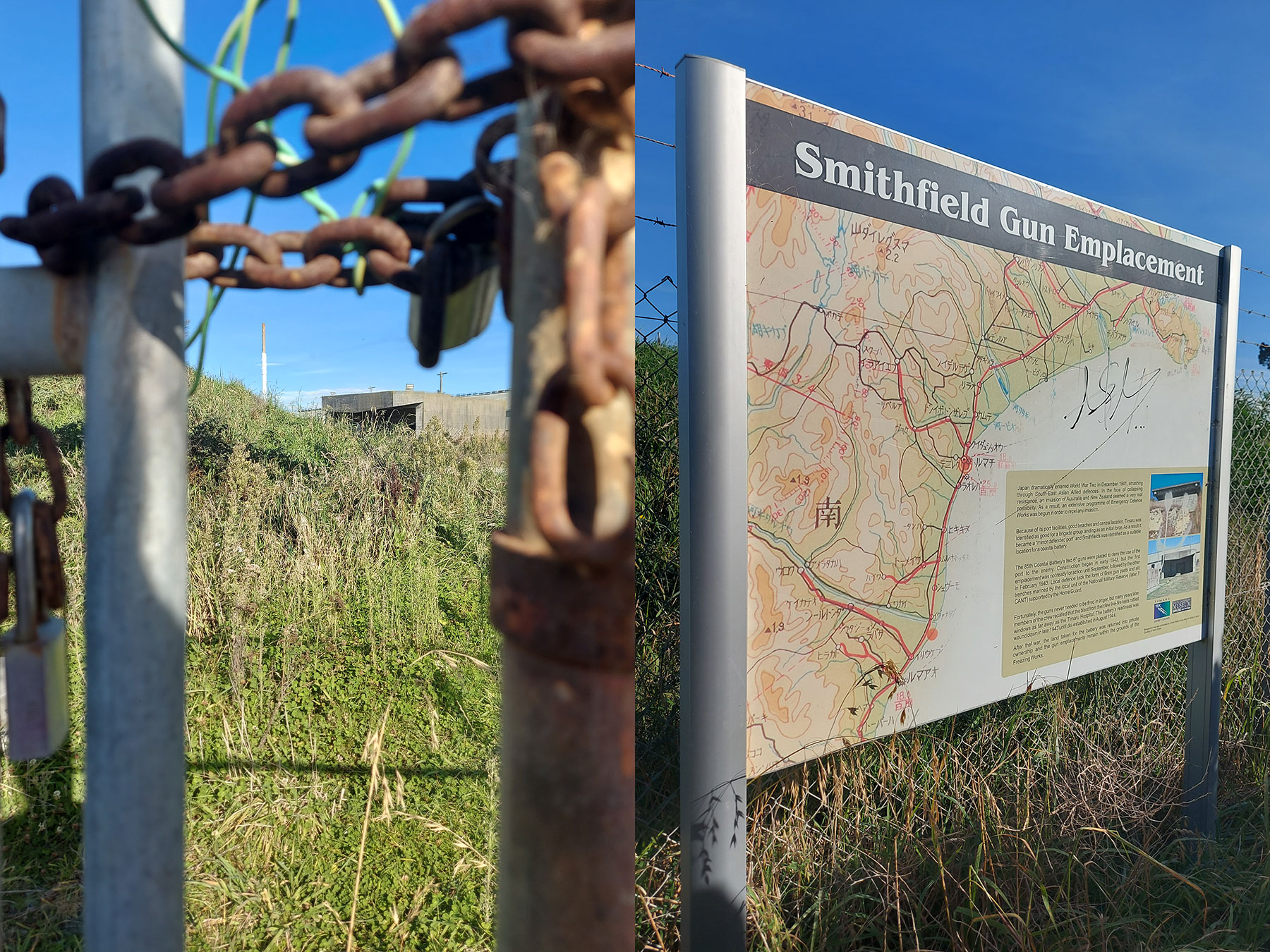
Access: Coast defence battery structures are on private/industrial land; view only from public vantage points unless permission is granted
Associated years: 1883 freezing works development context, 1942 to 1945 defence use
Associated people/groups: 85th Heavy Coastal Battery, Public Works Department, National Military Reserve, Home Guard, Smithfield freezing workers, New Zealand Refrigerating Co.
Smithfield is one of the strongest “war came close” sites.
Timaru District Council’s heritage assessment says land at Smithfield freezing works was appropriated by the army in May 1942, the battery was complete and functional by February 1943, 19 defence buildings were erected, more than 48 people were accommodated, the camp was disestablished in August 1944, and guns and ammunition were removed in February 1945.
This place must be interpreted carefully. Japan did not invade Timaru. But after Japan entered the war in December 1941, New Zealand authorities considered attack or landing possible enough to build serious defences. Evidence also exists that Japanese wartime maps of New Zealand were produced, and a State Library of Western Australia record describes a 1942 Japanese album of Australia and New Zealand maps, photographs and industrial targets intended for Imperial Japanese Army and Air Service personnel.
The Timaru Coast Defence/Artillery Battery at Bridge Road, Smithfield, was built in 1942–1943 after the army took over part of the Smithfield Freezing Works site during World War II because Timaru’s coastline, port, and nearby Caroline Bay were considered important to defend from possible enemy attack. Completed by February 1943, the battery formed part of New Zealand’s wider coastal defence system. The reinforced concrete site included two gun emplacements, an observation post, and a munitions store. It was staffed by the 85th Heavy Coastal Battery, with 19 defence buildings and accommodation for more than 48 people. The camp closed in August 1944, and the battery was decommissioned in February 1945 when its guns and ammunition were removed. Today, it is recognised as a Heritage New Zealand Category 2 place and a Timaru District Council Category B heritage item.
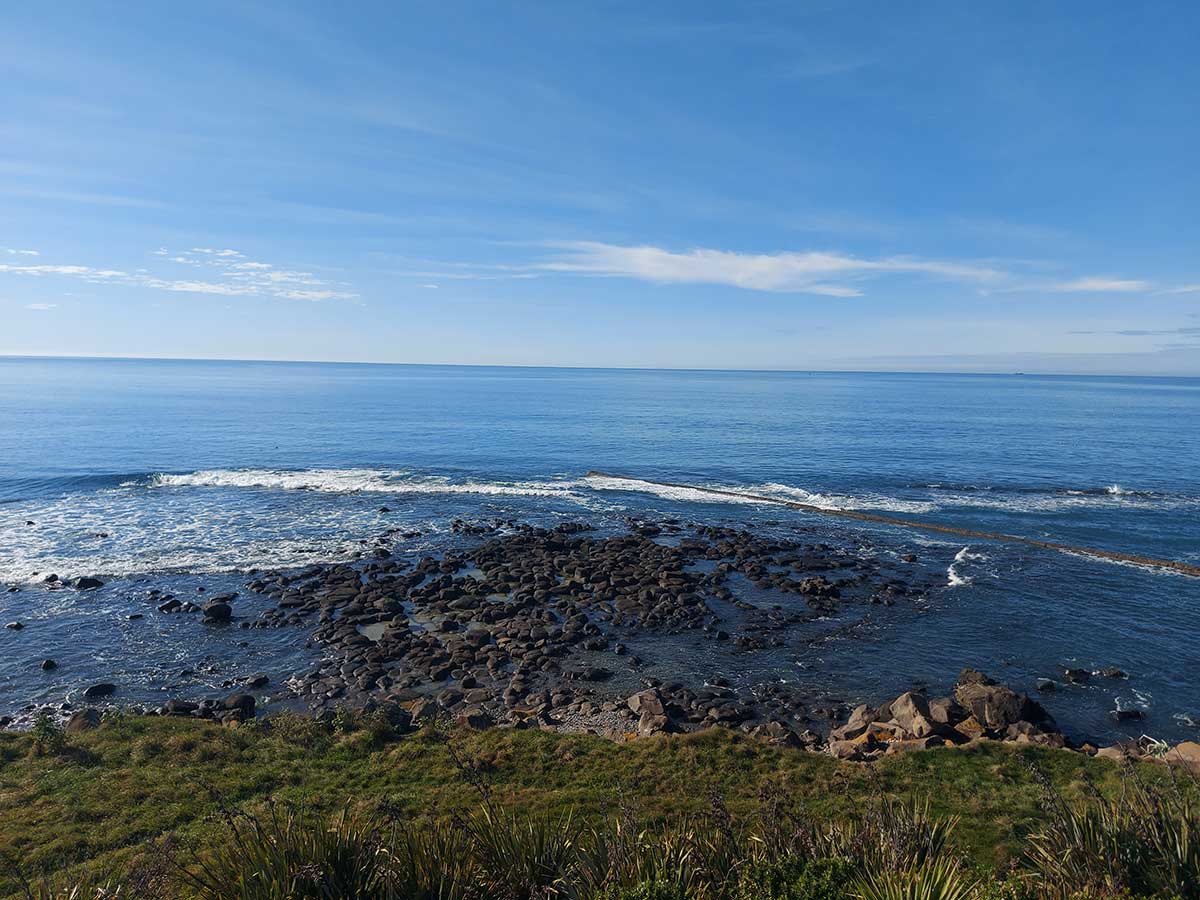
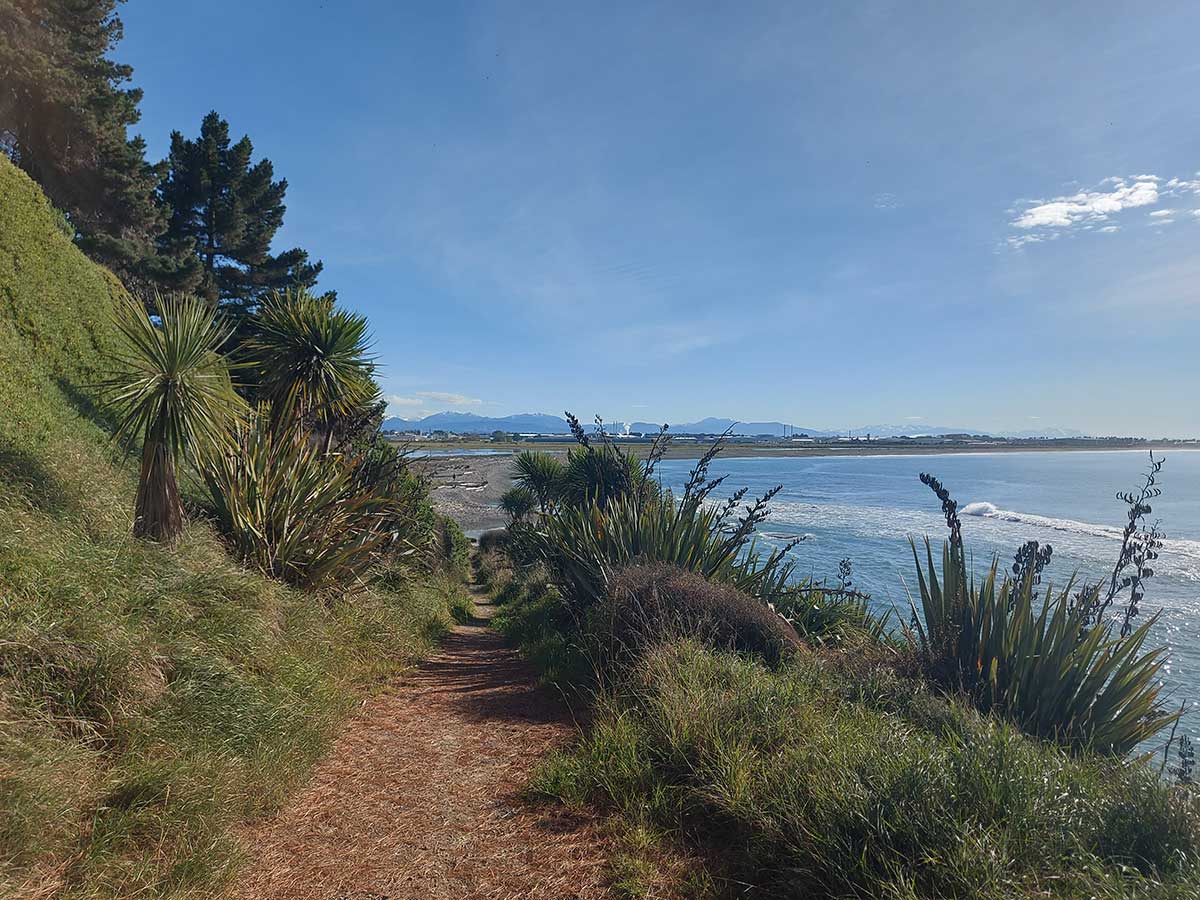
Find a WuHoo: From a safe public vantage point, look towards Smithfield and the sea. Ask why the port, beaches, rail and freezing works made Timaru worth defending.
Timeline
- 1883 – Smithfield Freezing Works was already established on the site.
- May 1942 – The army took over part of the Smithfield Freezing Works site for wartime defence.
- 1942–1943 – The Timaru Coast Defence/Artillery Battery was built at Bridge Road, Smithfield. The builders were the Public Works Department, Timaru Combined Builders No. 1 Group, and Petrie Construction.
- February 1943 – The battery was complete and functional.
- World War II – The site was staffed by the 85th Heavy Coastal Battery and included gun emplacements, an observation post, munitions storage, camp buildings, and accommodation.
- August 1944 – The military camp was disestablished.
- February 1945 – The battery was decommissioned, and the guns and ammunition were removed.
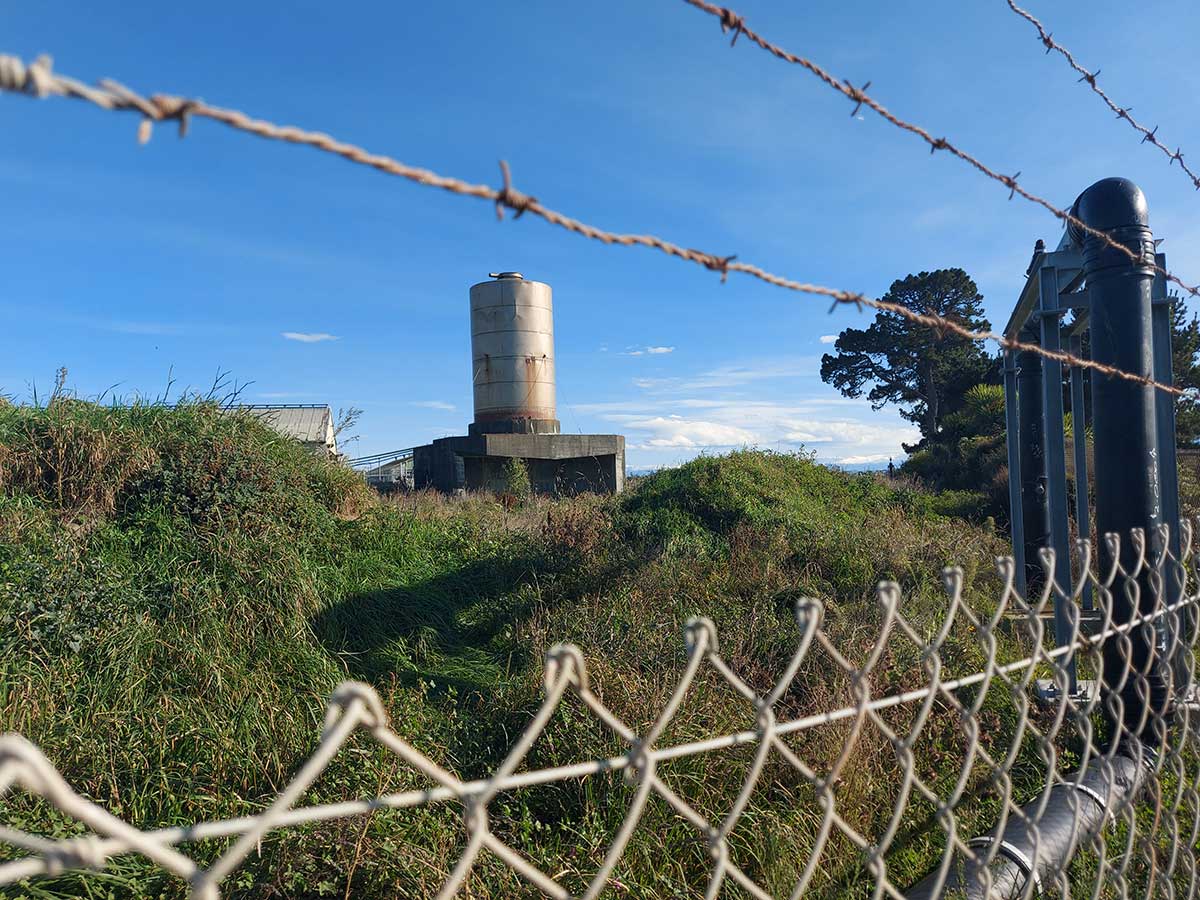
- C 1980 – A water tank was added to the northern gun emplacement.
- Today – The battery is recognised as a Heritage New Zealand Category 2 place and a Timaru District Council Category B heritage item.
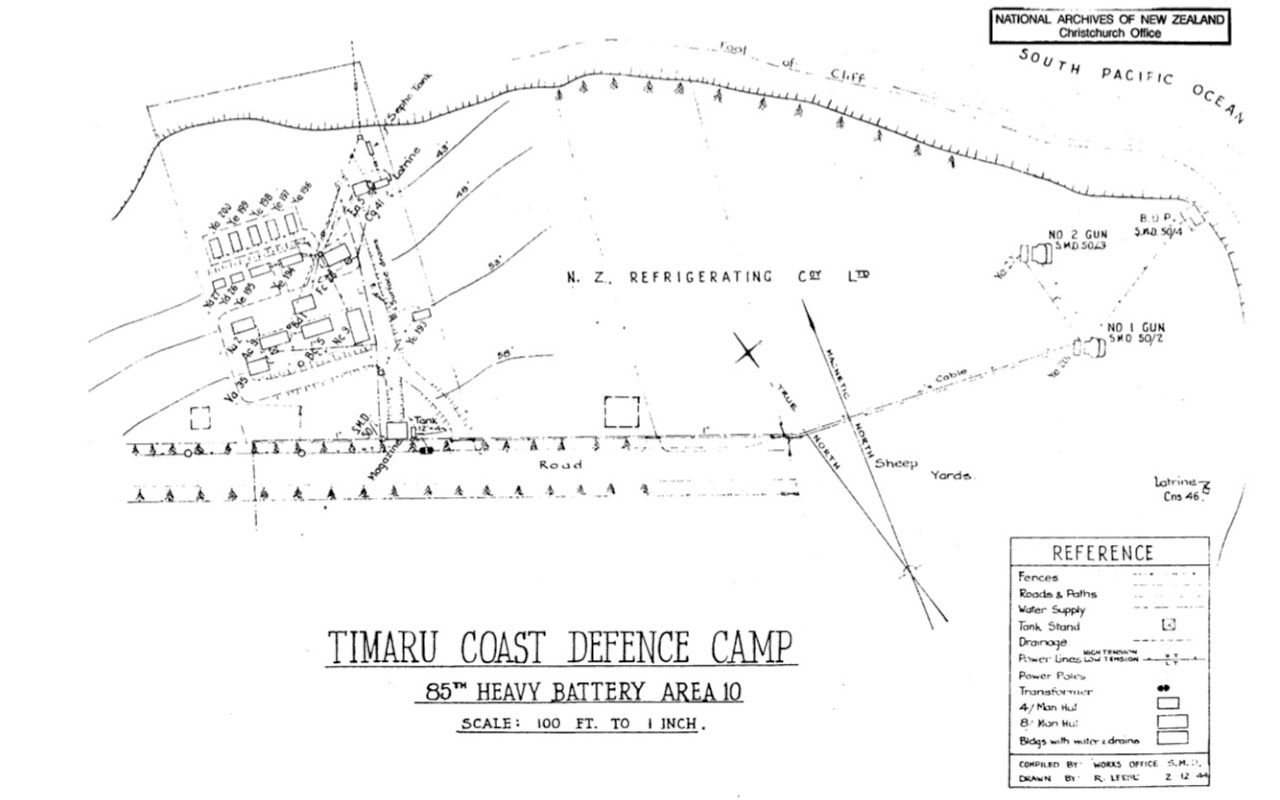
https://sites.google.com/site/nzcoastaldefences/secondary-ports/timaru-battery/timaru-battery-maps-and-plans
A total of 19 defence buildings were erected at the site. More than 48 people were accommodated at the site during the war. The camp was disestablished in August 1944, and decommissioned in February 1945.
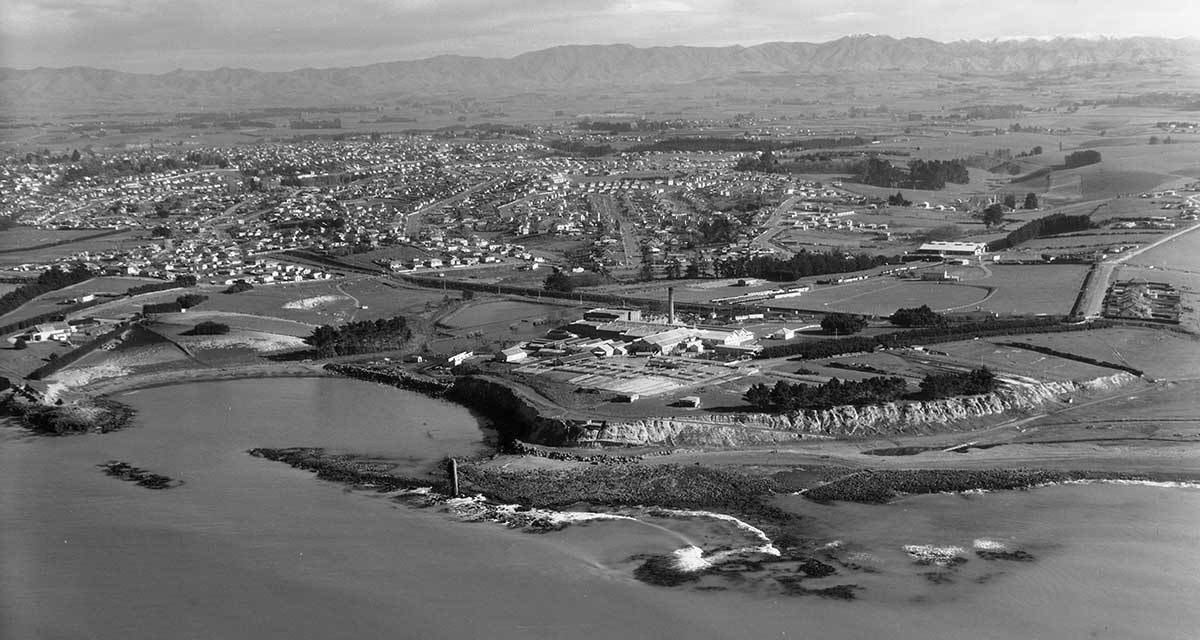
Aerial showing Timaru Battery, July 1960. Reference: Timaru Freezing Works, Canterbury Region. Whites Aviation Ltd: Photographs. Ref: WA-53929. Alexander Turnbull Library, Wellington, New Zealand. /records/33754061. Copyright status: CC-BY 4.0
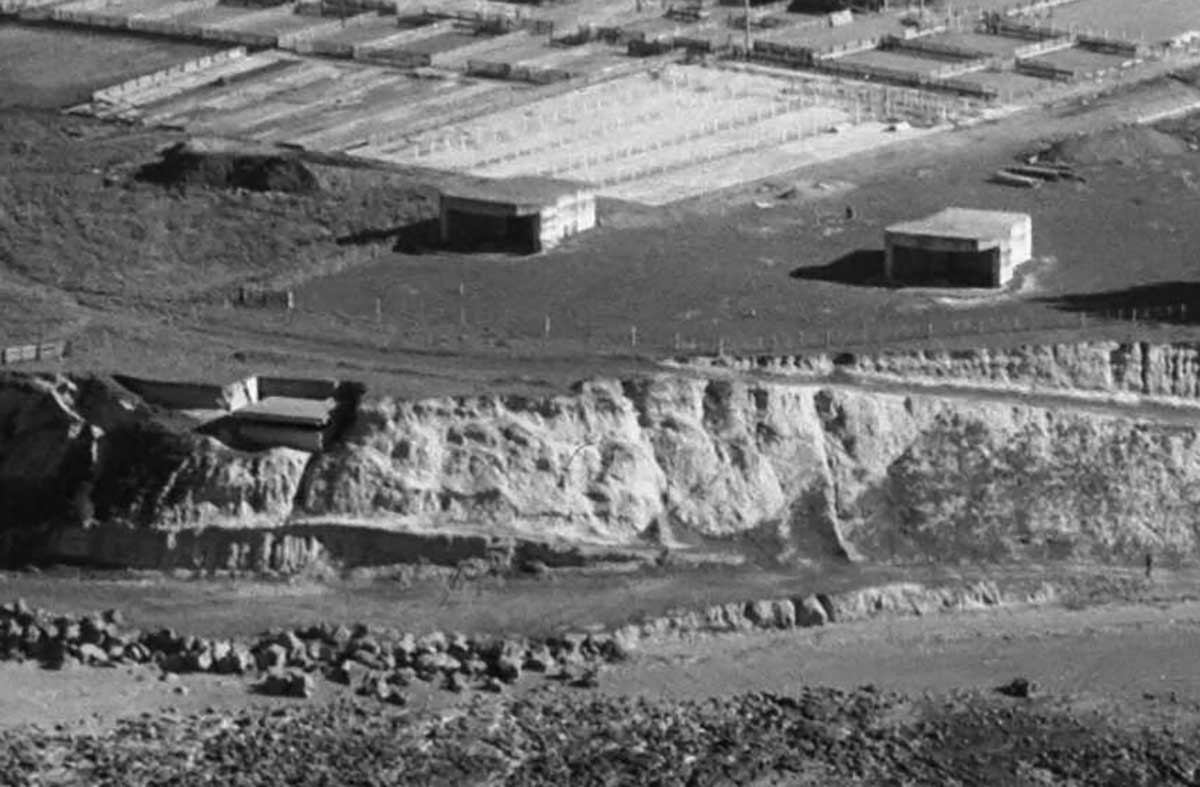
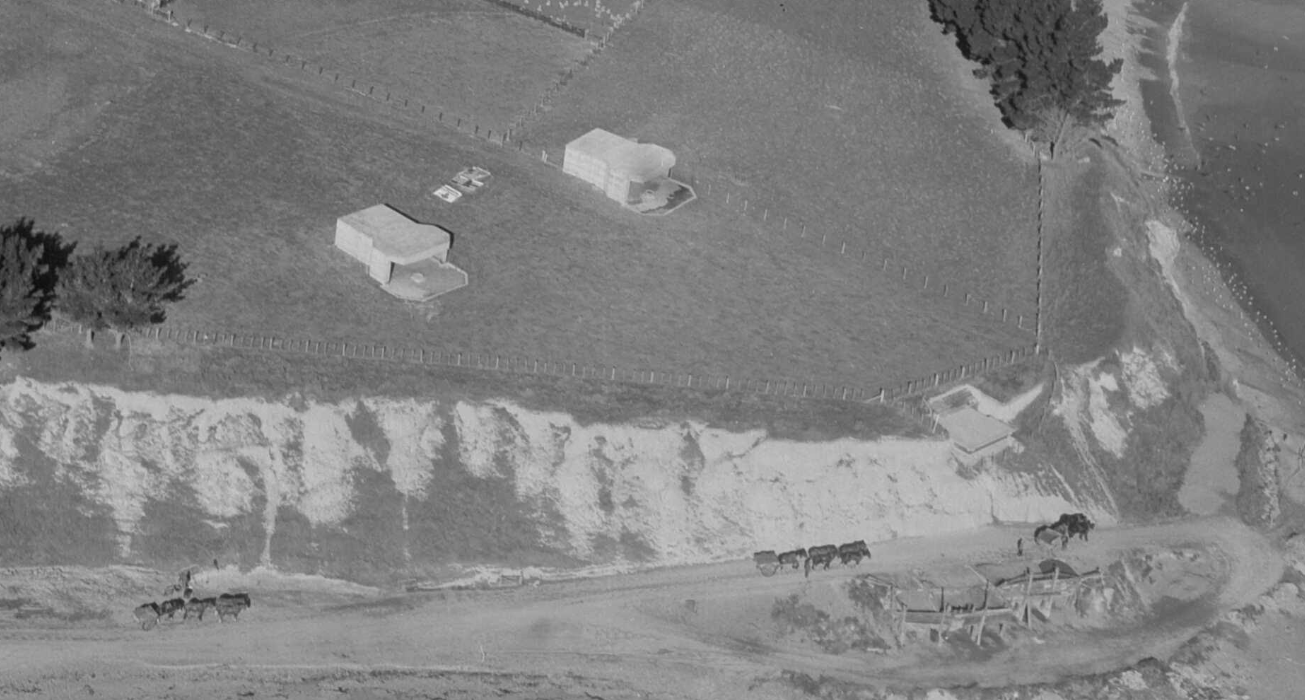
Description: Aerial showing Timaru Battery, April 1947. Reference: NZ Refrigerating Co Ltd (Now Smithfield Alliance Group Ltd) freezing works at the north end of Caroline Bay, Timaru, South Canterbury Region. Whites Aviation Ltd: Photographs. Ref: WA-06417-F. Alexander Turnbull Library, Wellington, New Zealand. /records/30650080. Copyright status: CC-BY 4.0
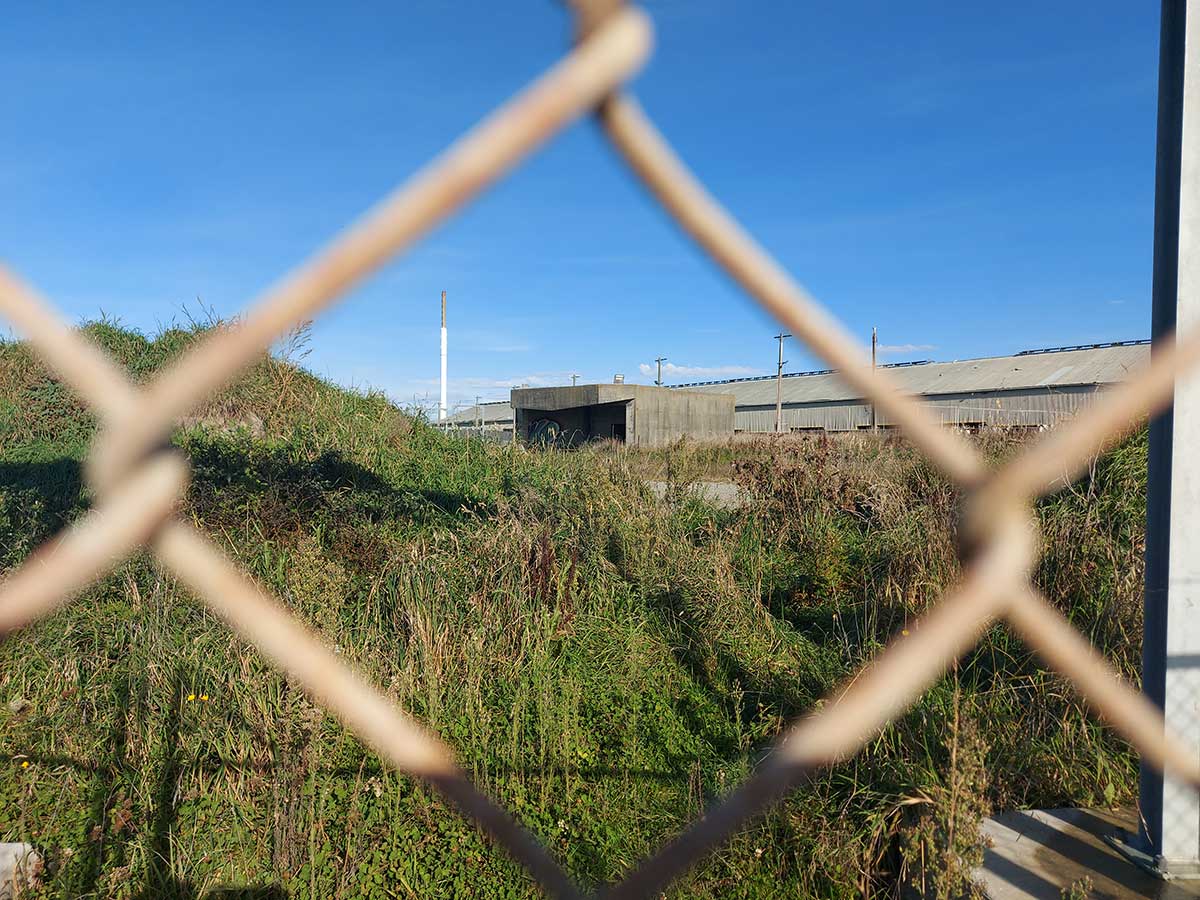
The surviving structures include two gun emplacements, a battery observation post, and a magazine or munitions store.
Each gun emplacement had a small magazine at the rear of the open gun shelter.
The larger magazine was built some distance from the emplacements, near the former military camp site.